The Infinite God and Our Finite Worship
“But will God indeed dwell on the earth? behold, the heaven and heaven of heavens cannot contain thee; how much less this house that I have builded?” — 1 Kings 8:27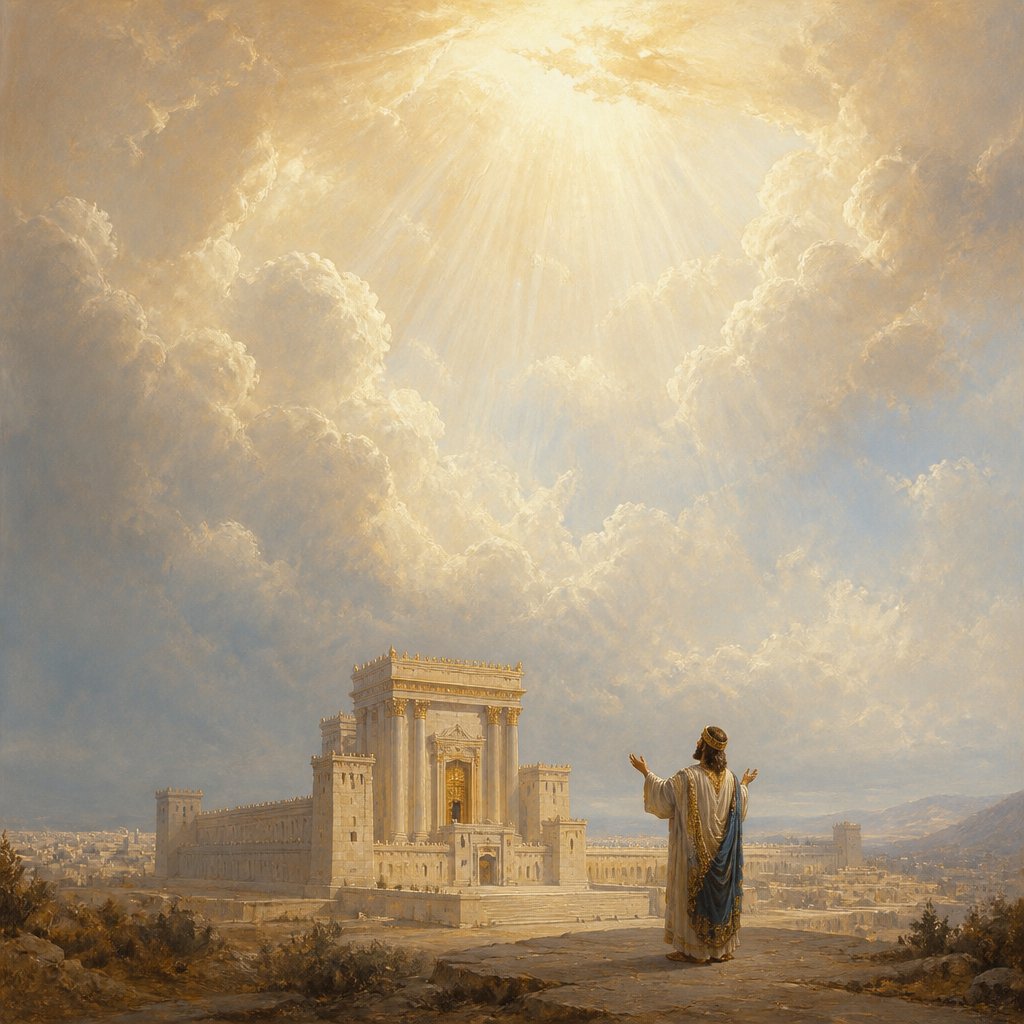
**Scripture Reference: 1 Kings 8:27 (KJV)**
"But will God indeed dwell on the earth? behold, the heaven and heaven of heavens cannot contain thee; how much less this house that I have builded?"
As Solomon inaugurated the temple, a monumental achievement for the nation of Israel, he stood before the gathered people and the presence of God. His words resonate with a profound understanding of God’s nature—God is infinite, and His majesty transcends all creation. This verse calls us into a deeper contemplation of God’s grandeur as we seek to understand the relationship between the holy and the earthly, the limitless and the limited.
From the outset, Solomon acknowledges a powerful theological truth: God’s heavenly dimension is immeasurable. The phrase "heaven and heaven of heavens" suggests an expansive realm that is beyond human understanding and construction. Solomon, in his royal wisdom, recognizes the impossibility of confining an omnipotent God to any man-made structure.
This realization brings us to a core aspect of our faith: God is not just a local deity confined to a temple, mountain, or any single location. His sovereignty prevails across all eternity and space. How humbling it is for us to think that the Creator of the universe cannot be contained in the beautiful edifice of the temple that took seven years to construct. It echoes the limits of human attempts to encapsulate divinity.
The temple, while a significant religious symbol for the Israelites, was ultimately a gesture toward the infinite relationship between the divine and humanity. In Solomon’s mind, as he expressed his thoughts to God, he pointed out the temple’s inability to hold God. This brings us to a critical introspection—can we contain God in our own lives? Sometimes, our attempts to box God into our understanding, our traditions, or even our churches can lead us to miss the fullness and the richness of His presence.
As we navigate our worship, we must remember that God is omnipresent. He dwells not only in structures built by human hands but also desires to dwell within our hearts. Consider how frequently we try to confine God to our experiences or our desired conditions. When we do this, we limit ourselves to a fraction of who God is and what He desires for us. Solomon's reflection serves as a challenge to every believer and worshipper: are we giving God the space to be who He truly is in our lives?
Furthermore, this passage invites us to contemplate the nature of worship itself. The temple was a place of worship, but true worship occurs within the hearts of believers. The New Testament further reveals this through the words of Jesus in John 4:24 where He states, "God is a Spirit: and they that worship him must worship him in spirit and in truth.” Our worship, therefore, transcends mere location or ritual; it invites us into a relationship with the living God.
In recognizing the vastness of God, we shift our focus from building great temples to nurturing our souls. We begin to realize the importance of our daily lives as a living sacrifice, as Paul encourages in Romans 12:1. Each moment spent in prayer, each act of service, and every expression of love towards others becomes a way to acknowledge that the infinite God chooses to dwell within us, granting us access to His boundless love and grace.
As we conclude our meditation on 1 Kings 8:27, let us remain mindful of the infinite nature of God and our finite expressions of worship. Let us seek not to confine Him but to surrender our hearts to His transformative presence. May our lives reflect the awe that Solomon expressed—recognizing both the privilege and the humility involved in worshipping the God who fills the heavens yet descends to walk with us.
May we build our lives as temples, ever expanding, embodying the welcoming embrace of God’s infinite love in every corner of our world.
Get our apps


Artwork for 1 Kings 8:27
1 Kings 8:27 - "But will God indeed dwell on the earth? behold, the heaven and heaven of heavens cannot contain thee; how much less this house that I have builded?"

1 Kings 8:27 - "But will God indeed dwell on the earth? behold, the heaven and heaven of heavens cannot contain thee; how much less this house that I have builded?"
"But will God indeed dwell on the earth? behold, the heaven and heaven of heavens cannot contain thee; how much less this house that I have builded?" - 1 Kings 8:27

1 Kings 7:27-38

Exodus 27:1-8

1 Kings 7:27-38

1 Kings 8:6-8

1 Kings 8:10

1 Kings 8:21

1 Kings 8:21

1 Kings 8:10

1 kings 8:7

1 Kings 8:10

1 Kings 8:10

1 Kings 8:7

1 Kings 8:21

1 Kings 8:10

1 Chronicles 8:27 - "And Jaresiah, and Eliah, and Zichri, the sons of Jeroham."

2 Kings 8:27 - "And he walked in the way of the house of Ahab, and did evil in the sight of the LORD, as did the house of Ahab: for he was the son in law of the house of Ahab."

1 Kings 8:10

1 kings 8:7

1 Kings 8:22

1 Kings 8:21

1 Kings 8:10

1 Kings 16:27 - "Now the rest of the acts of Omri which he did, and his might that he shewed, are they not written in the book of the chronicles of the kings of Israel?"

1 Kings 13:27 - "And he spake to his sons, saying, Saddle me the ass. And they saddled him."
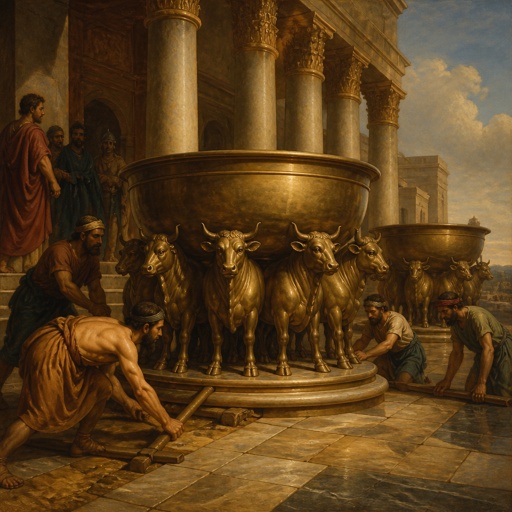
1 kings 7:8

1 Kings 10:27 - "And the king made silver to be in Jerusalem as stones, and cedars made he to be as the sycomore trees that are in the vale, for abundance."

1 Kings 3:27 - "Then the king answered and said, Give her the living child, and in no wise slay it: she is the mother thereof."

1 Kings 9:27 - "And Hiram sent in the navy his servants, shipmen that had knowledge of the sea, with the servants of Solomon."