The Joy of Sacred Assembly: Uniting in Worship before the Lord
“And king Solomon, and all the congregation of Israel, that were assembled unto him, were with him before the ark, sacrificing sheep and oxen, that could not be told nor numbered for multitude.” — 1 Kings 8:5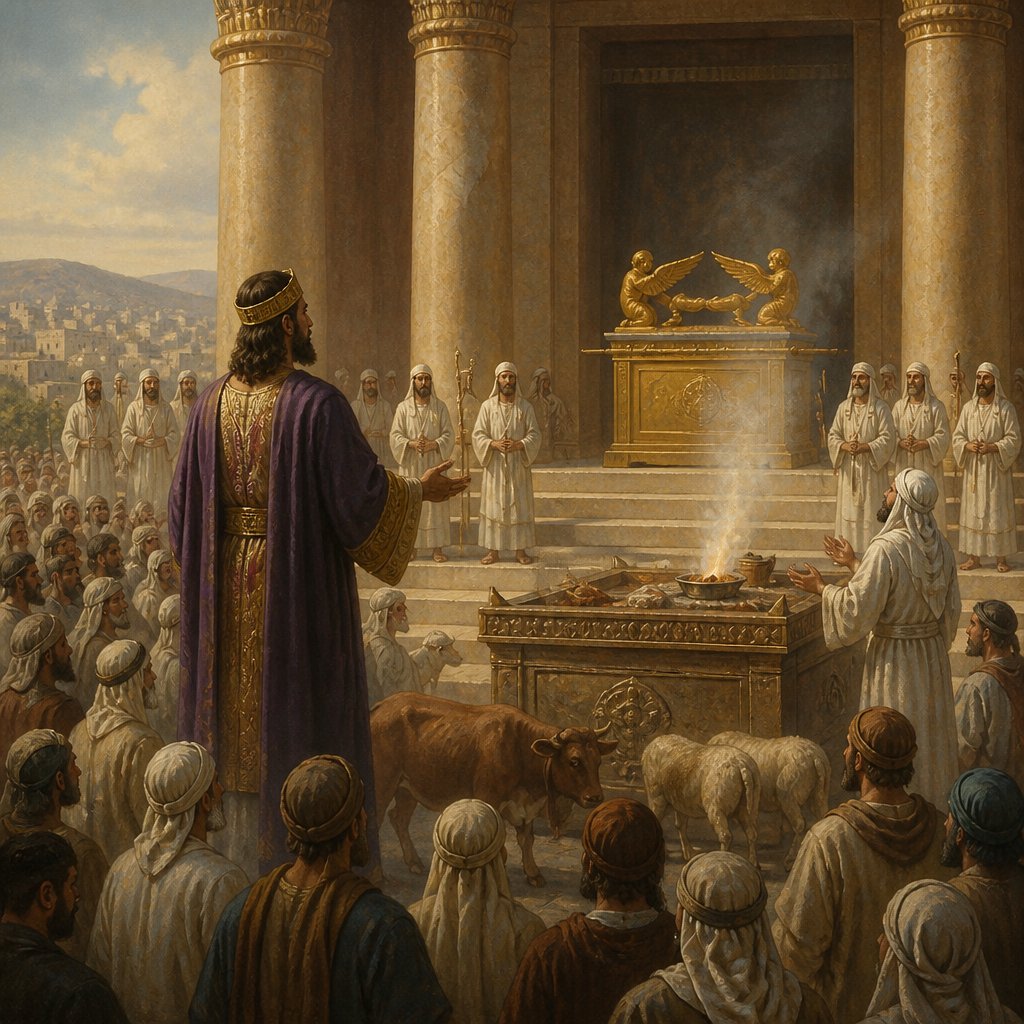
In 1 Kings 8:5, we find a profound moment in the history of Israel, captured in these words: "And king Solomon, and all the congregation of Israel, that were assembled unto him, were with him before the ark, sacrificing sheep and oxen, that could not be told nor numbered for multitude." This scripture encapsulates not only a historical event but also a timeless principle of worship, community, and the heart of God’s covenant with His people.
As we delve into the context of this verse, we recognize that this gathering is emblematic of a pivotal moment— the dedication of Solomon's Temple. After years of planning, preparations, and labor, the temple stood as a physical manifestation of God’s promise to dwell among His people. Solomon’s ascension to throne came with immense responsibility, and it was in this moment of dedication that he aligned himself with God’s design and purpose for Israel.
The phrase "all the congregation of Israel" hints at a unity that is profound. When we gather in worship, we echo this ancient assembly. It is not merely a passive attendance but an active engagement of hearts. Together, we stand before the Lord, bringing our offerings and worship, much like the sheep and oxen where the number was beyond reckoning, a reflection of the overflowing gratitude and adoration of the Israelite congregation.
In our current day, we are often faced with distractions that can pull us away from this true assembly. The busyness of life, the weight of responsibilities, and the barrage of media can obscure the beauty found in worshiping in unity. However, it is important to remember that worship is not designed to be a solitary act; rather, it is a communal experience. Just as the Israelites gathered around the ark, so too are we called to come together, sharing our praises, testimonies, and offerings in a collective act of devotion.
Sacrifices in biblical times were symbols of devotion and acknowledgment of God’s sovereignty. In our present-day worship, the sacrifices we make may not be in the form of livestock but can be seen in our time, our treasures, and our talents. We may sacrifice our time to be in church, our finances to support the kingdom work, or our comfort to serve others. Each act becomes part of the larger orchestra of worship that honors God.
The overwhelming number of sacrifices also reminds us of the importance of abundance in our offering. When we come together, we bring the full weight of our faith, experiences, and joys—collectively enriching the worship atmosphere. God delights in the sincere hearts of His people, and He moves among us in those moments of unity, much like He did in the temple.
As we reflect on this scripture, let us ask ourselves: Are we truly engaged in the assembly of our congregation? Are we prepared to come together as one, pouring out our collective sacrifices before our King? In the modern world, it can be easy to slip into a routine of worship that is devoid of the joy found in unity. But God invites us to experience His presence through our gatherings.
Let us, like Solomon and the congregation of Israel, commit to taking time to prioritize communal worship, allowing the spirit of sacrifice to permeate our gatherings. May our churches be places where the number of our offerings cannot be counted, a multitude of praises rising to heaven, and where God’s manifest presence transforms our hearts and communities.
In closing, reflect on the beauty of being part of the body of Christ. Seek opportunities to gather, to worship, and to sacrifice together, drawing closer to one another and to God. Let us stand before the ark—the symbol of His presence—and celebrate who He is and what He has done in our lives.
Get our apps


Artwork for 1 Kings 8:5

1 Kings 8:5 - "And king Solomon, and all the congregation of Israel, that were assembled unto him, were with him before the ark, sacrificing sheep and oxen, that could not be told nor numbered for multitude."
"And king Solomon, and all the congregation of Israel, that were assembled unto him, were with him before the ark, sacrificing sheep and oxen, that could not be told nor numbered for multitude." - 1 Kings 8:5
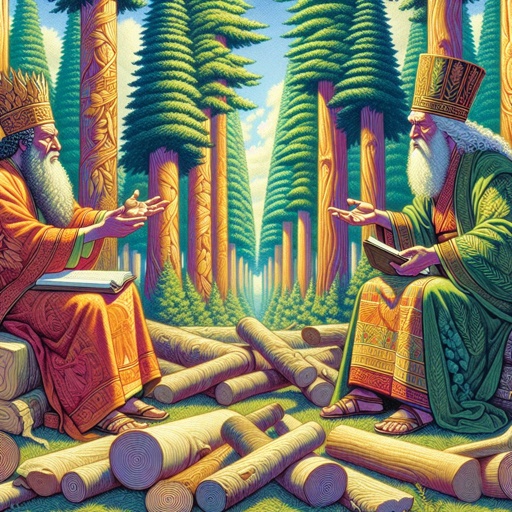
1 Kings 5:8 - "And Hiram sent to Solomon, saying, I have considered the things which thou sentest to me for: and I will do all thy desire concerning timber of cedar, and concerning timber of fir."

1 Kings 8:6-8

1 Kings 8:10

1 Kings 8:21

1 Kings 8:21

1 Kings 8:10

1 kings 8:7

1 Kings 8:10

1 Kings 8:10

1 Kings 8:7

1 Kings 8:21

1 Kings 8:10

1 Kings 8:10

1 kings 8:7

1 Kings 8:22

1 Kings 8:21

1 Kings 8:10

Luke 8:5-8

1 Kings 11:1-5
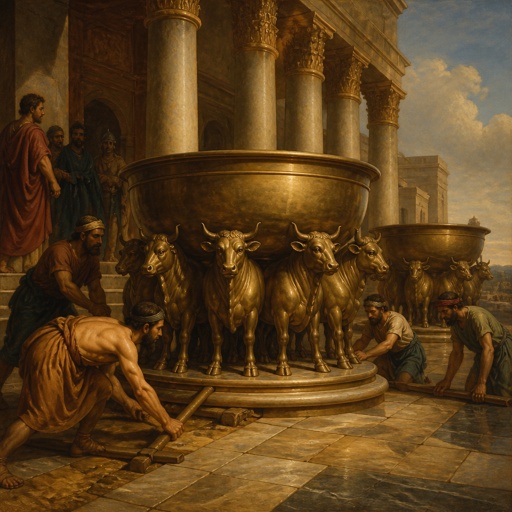
1 kings 7:8

1 Kings 11:5

Revelation 5:8

1 Kings 5:2 - "And Solomon sent to Hiram, saying,"

1 Kings 4:8 - "And these are their names: The son of Hur, in mount Ephraim:"

1 Kings 17:8 - "¶ And the word of the LORD came unto him, saying,"

Hebrews 8:1-5

1 Kings 16:5 - "Now the rest of the acts of Baasha, and what he did, and his might, are they not written in the book of the chronicles of the kings of Israel?"

1 Kings 8:62 - "¶ And the king, and all Israel with him, offered sacrifice before the LORD."