The Heart of a Builder: A Devotional on 1 Kings 8:17
“And it was in the heart of David my father to build an house for the name of the LORD God of Israel.” — 1 Kings 8:17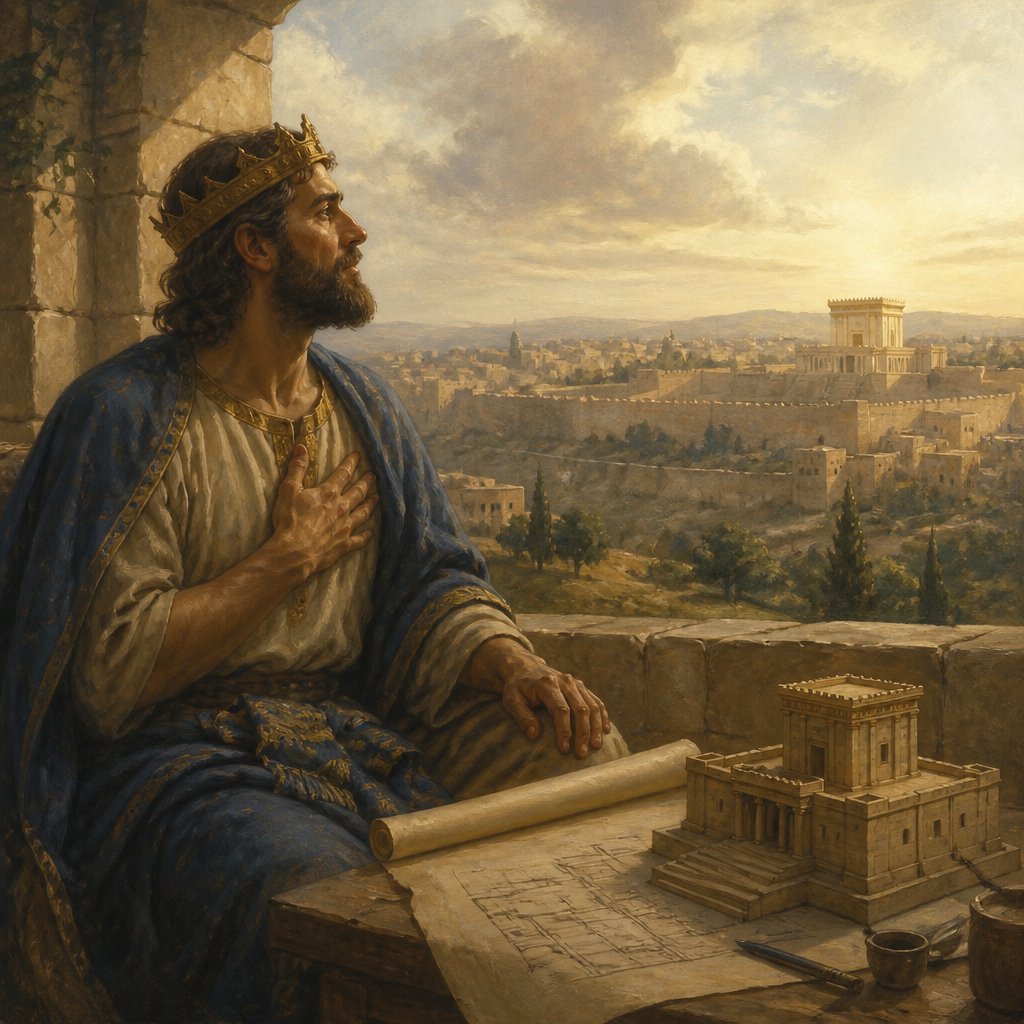
In 1 Kings 8:17, we read, "And it was in the heart of David my father to build an house for the name of the LORD God of Israel." This verse provides a profound insight into the heart of King David— a man who, despite his imperfections and failures, sought to honor God in all he did. As we delve into this verse, we can examine the spiritual significance of having a heart aligned with God's mission and purpose.
David’s desire to build a house for the Lord was not merely about constructing a physical temple; it represented a deeper yearning for God’s presence to dwell among His people. David experienced the goodness of God throughout his life, from his humble beginnings as a shepherd to his anointing as king. He saw God’s hand guiding him as he faced many trials, including his deep failures, such as his sin with Bathsheba and the rebellion of his son Absalom. Despite these challenges, David's heart remained focused on God—a reflection of a life surrendered to divine will.
The term "heart" is significant in the biblical context. It symbolizes the core of a person's being—their emotions, intentions, and motivations. David's heart was filled with the desire to create a place where God could be worshiped and honored. This ambition was more than a mere building project; it was a passionate call to glorify God and ensure that future generations would recognize His majesty and sovereignty. David understood that though he wanted to build a temple to contain God, the infinite God cannot be contained in a physical structure. However, he wanted to set up a dwelling place—a sanctuary—where worship could flourish.
As we reflect on David's heart for God, we must ask ourselves: What desires are in our hearts? Are we pursuing personal ambitions, or are we seeking to build something for God’s glory? David's desire stemmed from a recognition of God’s greatness and faithfulness. He didn’t just want a monument; he wanted a living testimony of God’s presence. Similarly, our lives should be living testimonies that exalt God’s name. We can build an "house" for the Lord through our actions, our love for others, our worship, and how we serve our communities.
Moreover, we find in David's story the truth that sometimes, God might redirect our plans. Though David had the heart to build the temple, God ultimately chose Solomon to accomplish the task. This teaches us about the humility that comes with submission to God's greater plan. Just because our plans are noble doesn’t mean they are the path God has set before us. David accepted this with grace; in 1 Chronicles 28, we see him preparing Solomon to build the temple, ensuring that his son was equipped to fulfill this divine purpose.
In our quest to build for God, it is essential to cultivate a heart that is willing to listen to His guidance. We must be open to the possibility that God might want us to pour into someone else’s vision or call. This requires humility and the understanding that our legacy might be realized in ways that we cannot foresee.
Lastly, let David’s example encourage us to invest our lives in building something eternal. Each day offers us an opportunity to construct a spiritual "temple" through our devotion to God, our interactions with others, and our commitment to spreading the gospel. Let us ask ourselves what we can dedicate to the Lord as an offering of worship. Whether it’s time, talents, or treasure, we all can contribute to his kingdom work.
As we meditate on
1 Kings 8:17, let us seek a heart like David’s—one that desires to honor God and be a vessel for His glory. In doing so, we partake in the beautiful and divine purpose of building His house, the Church, manifesting His presence in the world.
Get our apps


Artwork for 1 Kings 8:17

1 Kings 8:17 - "And it was in the heart of David my father to build an house for the name of the LORD God of Israel."

"And it was in the heart of David my father to build an house for the name of the LORD God of Israel." - 1 Kings 8:17

1 Kings 17:8 - "¶ And the word of the LORD came unto him, saying,"

"¶ And the word of the LORD came unto him, saying," - 1 Kings 17:8

2 Kings 8:17 - "Thirty and two years old was he when he began to reign; and he reigned eight years in Jerusalem."

2 Kings 17:8 - "And walked in the statutes of the heathen, whom the LORD cast out from before the children of Israel, and of the kings of Israel, which they had made."

1 Kings 8:6-8

1 Kings 8:10

1 Kings 8:21

1 Kings 8:21

1 Kings 8:10

1 kings 8:7

1 Kings 8:10

1 Kings 8:10

1 Kings 8:7

1 Kings 8:21

1 Kings 8:10

1 Kings 8:10

1 kings 8:7

1 Kings 8:22

1 Kings 8:21

1 Kings 8:10

1 Kings 4:17 - "Jehoshaphat the son of Paruah, in Issachar:"
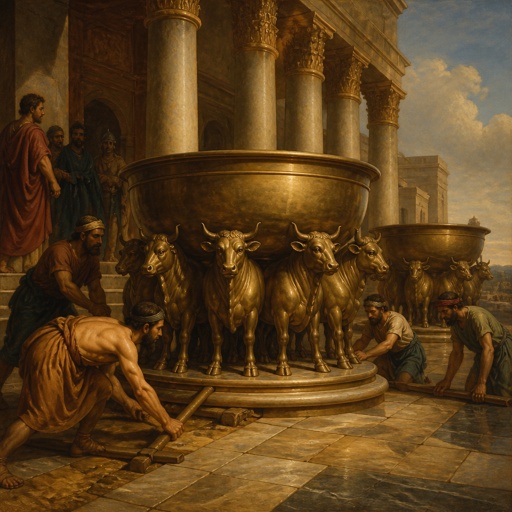
1 kings 7:8

1 Kings 21:17 - "¶ And the word of the LORD came to Elijah the Tishbite, saying,"

1 Kings 6:17 - "And the house, that is, the temple before it, was forty cubits long."

1 Kings 17:2 - "And the word of the LORD came unto him, saying,"

1 Kings 9:17 - "And Solomon built Gezer, and Beth-horon the nether,"

1 Samuel 17:4-8

1 Chronicles 8:17 - "And Zebadiah, and Meshullam, and Hezeki, and Heber,"