What does 1 Kings 8:17 mean?
“And it was in the heart of David my father to build an house for the name of the LORD God of Israel.” — 1 Kings 8:17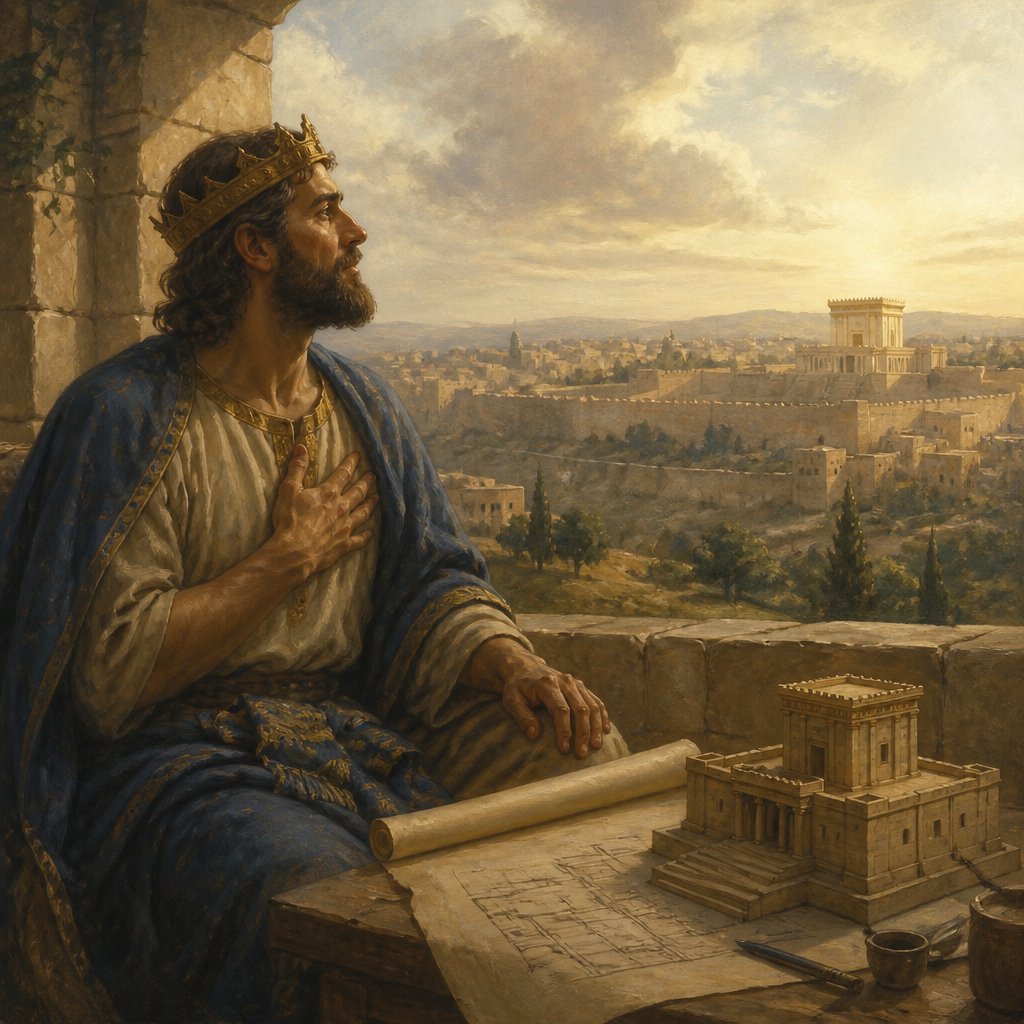
Sure, here is an analysis of 1 Kings 8:17 from the KJV:
"Now it was in the heart of David my father to build an house for the name of the Lord God of Israel."
This verse comes from the Old Testament book of 1 Kings, which details the reign of King Solomon and the building of the first Temple in Jerusalem. The verse is part of Solomon's prayer at the dedication of the Temple.
In this specific verse, Solomon is acknowledging the desire of his father, David, to build a house for the name of the Lord God of Israel. It reflects the deep reverence and devotion that David had for God, and his desire to honor Him through the construction of a Temple. However, David was not allowed to build the Temple because he was a man of war and had shed much blood (1 Chronicles 22:8-10). Instead, God chose Solomon, David's son, to build the Temple and carry out his father's vision.
This verse highlights the importance of honoring and serving God with a heart of devotion and reverence. It also emphasizes the continuity of God's plan and the fulfillment of His promises, as Solomon, the heir of David, is now carrying out the task that was close to his father's heart.
Moreover, the verse speaks to the theme of legacy, as Solomon is the one fulfilling the wishes of his father. It reflects a sense of continuity and the passing down of spiritual values from one generation to the next. Additionally, it underscores the concept of divine timing and how God's plan unfolds in accordance with His will.
Another important aspect of this verse is the theme of the Temple as a physical representation of God's presence among His people. The construction of the Temple was a significant event in Israel's history, as it symbolized the centrality of God in the life of the nation. The Temple served as a place of worship, sacrifice, and encounter with the divine, and it was meant to be a constant reminder of God's faithfulness and His covenant with Israel.
Furthermore, the verse can be seen as a foreshadowing of the ultimate fulfillment of God's promise through Jesus Christ. In the New Testament, Jesus is referred to as the true Temple (John 2:19-21), and through His death and resurrection, He has made a way for all people to have direct access to God. Thus, the building of the physical Temple in the Old Testament points to the spiritual reality of God dwelling among His people through Jesus.
In terms of symbolism, the verse conveys the profound significance of the Temple as a place where God's name would dwell. It signifies the holiness and majesty of God, and the importance of creating a sacred space for His worship. The verse also symbolizes the unity between the intentions of David and the actions of Solomon, serving as a testament to the partnership between generations in fulfilling God's purpose.
In conclusion, 1 Kings 8:17 from the KJV captures the essence of honoring God's name and fulfilling His purposes with a heart of devotion and obedience. It underscores the themes of legacy, divine timing, the significance of the Temple, and the ultimate fulfillment of God's plan through Jesus Christ. It serves as a powerful reminder of the faithfulness of God and the continuity of His promises throughout history.
Get our apps


Artwork for 1 Kings 8:17

1 Kings 8:17 - "And it was in the heart of David my father to build an house for the name of the LORD God of Israel."

"And it was in the heart of David my father to build an house for the name of the LORD God of Israel." - 1 Kings 8:17

1 Kings 17:8 - "¶ And the word of the LORD came unto him, saying,"

"¶ And the word of the LORD came unto him, saying," - 1 Kings 17:8

2 Kings 8:17 - "Thirty and two years old was he when he began to reign; and he reigned eight years in Jerusalem."

2 Kings 17:8 - "And walked in the statutes of the heathen, whom the LORD cast out from before the children of Israel, and of the kings of Israel, which they had made."

1 Kings 8:6-8

1 Kings 8:10

1 Kings 8:21

1 Kings 8:21

1 Kings 8:10

1 kings 8:7

1 Kings 8:10

1 Kings 8:10

1 Kings 8:7

1 Kings 8:21

1 Kings 8:10

1 Kings 8:10

1 kings 8:7

1 Kings 8:22

1 Kings 8:21

1 Kings 8:10

1 Kings 4:17 - "Jehoshaphat the son of Paruah, in Issachar:"
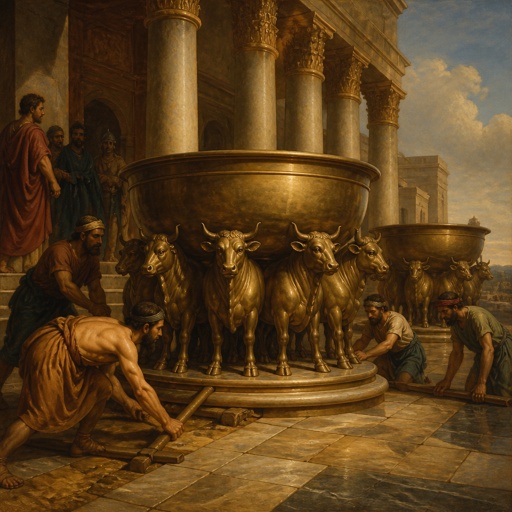
1 kings 7:8

1 Kings 21:17 - "¶ And the word of the LORD came to Elijah the Tishbite, saying,"

1 Kings 6:17 - "And the house, that is, the temple before it, was forty cubits long."

1 Kings 17:2 - "And the word of the LORD came unto him, saying,"

1 Kings 9:17 - "And Solomon built Gezer, and Beth-horon the nether,"
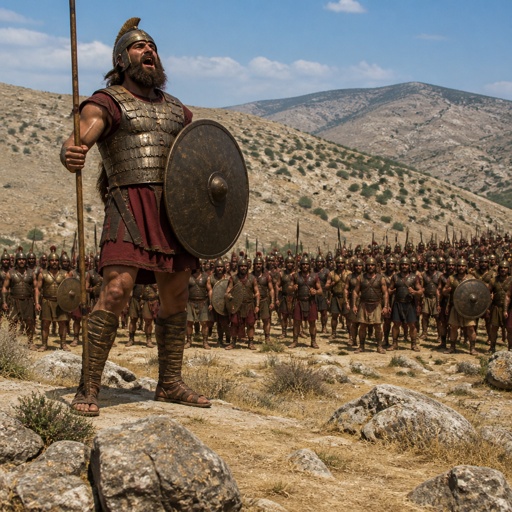
1 Samuel 17:4-8

1 Chronicles 8:17 - "And Zebadiah, and Meshullam, and Hezeki, and Heber,"