The Weight of Leadership: Understanding Divine Authority
“And the people said unto Samuel, Who is he that said, Shall Saul reign over us? bring the men, that we may put them to death.” — 1 Samuel 11:12
In 1 Samuel 11:12, we find a poignant moment in the history of Israel, one that encapsulates the complexity of leadership, authority, and communal trust. The verse states: "And the people said unto Samuel, Who is he that said, Shall Saul reign over us? bring the men, that we may put them to death." This statement, uttered in the heat of the moment after Saul's victorious leadership in battle against the Ammonites, reveals the tumultuous relationship between the people's expectations and divine authority.
### Contextual Understanding
To truly grasp the weight of this verse, we must delve into the context surrounding it. Saul had just been chosen king, not by popular demand but through divine orchestration via Samuel. He was a man elevated from obscurity to the throne, chosen by God to lead His people. Yet, mere chapters before, the Israelites had demanded a king, showing their desire for human governance rather than divine rule, thus exhibiting a lack of trust in God’s provision. Saul’s reign was met with both acceptance and scrutiny, demonstrating the fluctuating winds of popular opinion.
The uproar in this moment, when the people demand the prosecution of those who doubted Saul's kingship, highlights the volatility of public opinion in leadership. It starkly illustrates humanity’s tendency to quickly shift allegiance based on current happenings. What can be learned from this is how easily we, too, can become reactionary followers, often calling for harsh judgments instead of seeking understanding and mercy, especially towards those who challenge the accepted norms.
### Leadership and Accountability
Reading this passage brings forth several questions: What is the role of the leader when confronted by critics? How should a community respond to dissenting voices? Saul, newly anointed, had yet to solidify his position in the eyes of his people, and the call for execution reflects a rawness indicative of desperation for unity and strength in new leadership.
In many ways, leaders—whether in political spheres, workplaces, or within families—experience similar pressures. They must navigate criticisms and manage the expectations of their communities. Here, Saul's kingship is questioned, and almost immediately, the community turns to violence to cement their allegiance, showcasing a default to aggression rather than dialogue. Leaders often find themselves in high-stakes situations where the decisions they make will either encourage conversation and growth or fracture relationships through rash actions.
### The Role of God's Guidance
As followers of God, we are reminded of the importance of seeking divine counsel in leadership matters. Saul, although chosen by God, needed to rely on prayer and guidance from the prophet Samuel, understanding that true authority comes from God alone. The apostle Paul later conveyed a similar sentiment in Romans 13:1, stating, "For there is no power but of God: the powers that be are ordained of God."
In modern application, we might consider the depth of our own decisions. In moments of discontent or uncertainty, are we turning towards the Word, spiritual advisors, or engaging in prayerful reflection? Or do we, like the Israelites, echo the sentiments of those around us—swift to anger and judgment?
### Reflection and Application
As we reflect on this scripture, let us be mindful of our responses to leadership and authority. May we strive to embrace understanding over impulsive judgments. Additionally, let us also support our leaders, recognizing they are human and need guidance as much as we do.
We are called to be a community of believers who foster encouragement, speak truth with love, and bring about solutions that are reflective of Christ's example. Let us choose dialogue over execution, compassion over condemnation, and faith in God's orchestration over fear driven by uncertainty.
In closing, let us remember that true leadership, like Saul's, should reflect the character of God—rooted in justice and mercy, always seeking the good of others, even amidst dissent.
May God grant us the wisdom to uphold our leaders in prayer while also calling them to a higher standard as they serve under His ultimate authority.
Get our apps


Artwork for 1 Samuel 11:12

1 Samuel 11:12 - "¶ And the people said unto Samuel, Who is he that said, Shall Saul reign over us? bring the men, that we may put them to death."

"¶ And the people said unto Samuel, Who is he that said, Shall Saul reign over us? bring the men, that we may put them to death." - 1 Samuel 11:12

1 Samuel 12:11 - "And the LORD sent Jerubbaal, and Bedan, and Jephthah, and Samuel, and delivered you out of the hand of your enemies on every side, and ye dwelled safe."

1 Samuel 12

1 Samuel 4:12
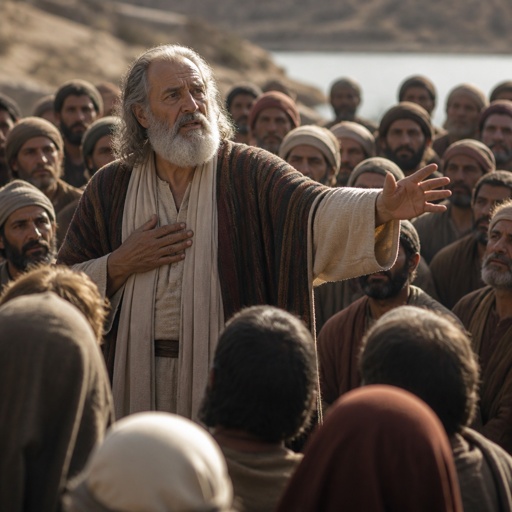
1 Samuel 12:3

"And the LORD sent Jerubbaal, and Bedan, and Jephthah, and Samuel, and delivered you out of the hand of your enemies on every side, and ye dwelled safe." - 1 Samuel 12:11
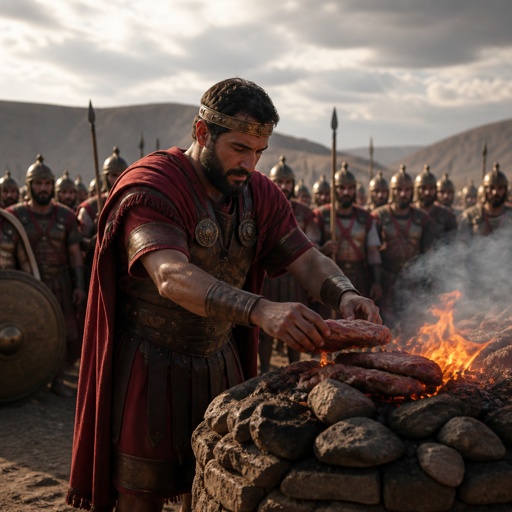
1 Samuel 13:11

1 Samuel 2:12

1 Samuel 12:13

1 Samuel 12:13

1 Samuel 11:14 - "Then said Samuel to the people, Come, and let us go to Gilgal, and renew the kingdom there."

1 Samuel 12:18 - "So Samuel called unto the LORD; and the LORD sent thunder and rain that day: and all the people greatly feared the LORD and Samuel."

1 Samuel 22:11-13

1 Samuel 28:11 - "Then said the woman, Whom shall I bring up unto thee? And he said, Bring me up Samuel."

1 Samuel 12:6 - "¶ And Samuel said unto the people, It is the LORD that advanced Moses and Aaron, and that brought your fathers up out of the land of Egypt."

1 Samuel 13:12 Saul's disobedience

Luke 1:11-12

1 Kings 12:11

1 Samuel 13:12 No face of persons
1 Kings 12:11

1 Kings 12:11

1 Samuel 1:12 - "And it came to pass, as she continued praying before the LORD, that Eli marked her mouth."

1 Samuel 12:1 - "And Samuel said unto all Israel, Behold, I have hearkened unto your voice in all that ye said unto me, and have made a king over you."

1 Kings 12:11

1 Kings 12:11

Luke 1:11-12

Luke 1:11-12

Luke 1:11-12

1 Samuel 3:11 - "¶ And the LORD said to Samuel, Behold, I will do a thing in Israel, at which both the ears of every one that heareth it shall tingle."