The Sweetness of Obedience: A Lesson from the Honey in the Wood
“And when the people were come into the wood, behold, the honey dropped; but no man put his hand to his mouth: for the people feared the oath.” — 1 Samuel 14:26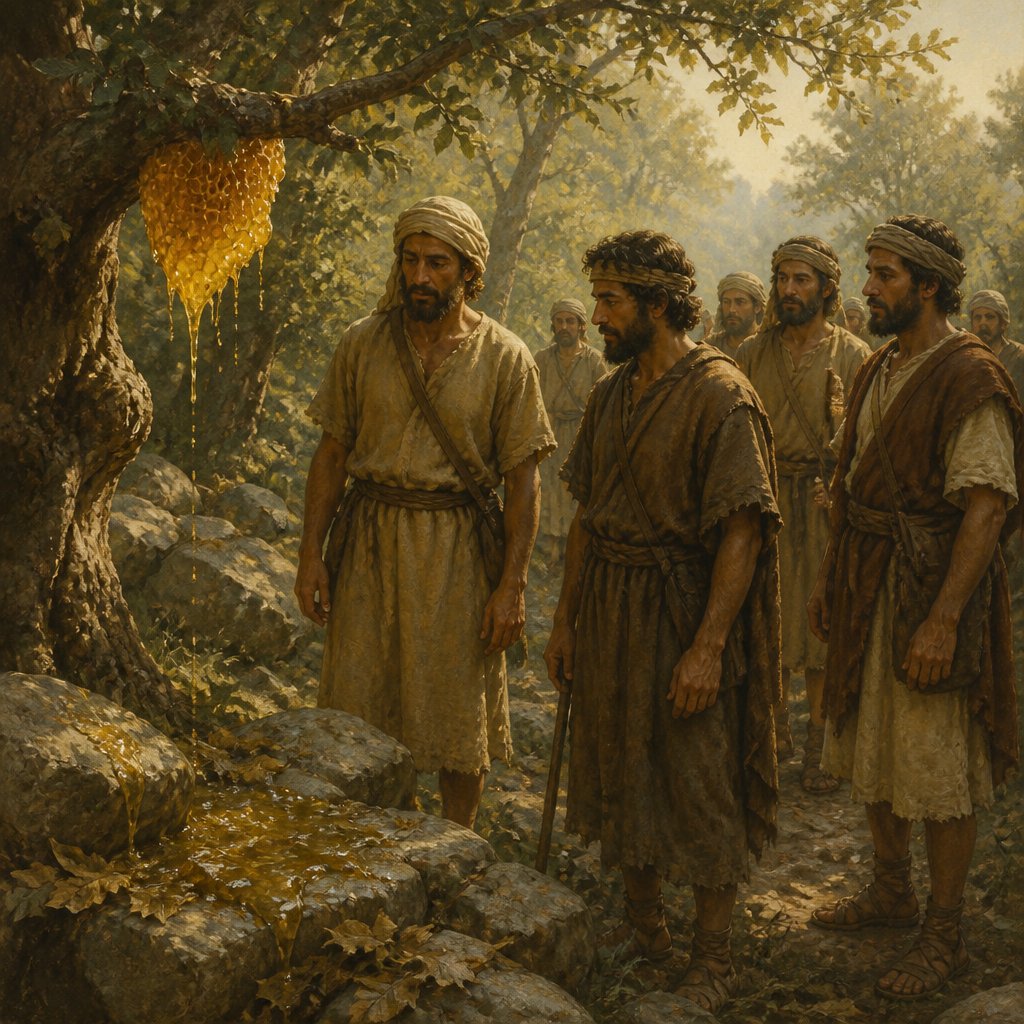
The Bible verse comes from a narrative steeped in fervor, battle, and obedience. In 1 Samuel 14:26 (KJV), we read, "And when the people were come into the wood, behold, the honey dropped; but no man put his hand to his mouth: for the people feared the oath." This verse encapsulates a moment of tension and revelation in the life of King Saul and his troops, teaching us profound lessons about the nature of oaths, the struggle in moments of hardship, and the treasurable sweetness of obeying God.
### The Context of the Oath
Saul, the first king of Israel, had set a rash oath during a time of combat against the Philistines, declaring that anyone who ate before evening would be cursed. It was a command born out of zeal yet lacks discernment; in his fervor to ensure allegiance and control over his armies, Saul underestimated the challenges they faced. The soldiers, fatigued and famished from battle, had entered the woods and encountered honey drenching the terrain, yet they could not indulge because of the fear of breaking Saul’s oath.
### The Dilemma of Hunger and Obedience
Imagine the scene. Exhausted warriors, driven by hunger as they wielded their swords in battle, confronted by the sweet, viscous substance that cascaded from the beehives around them – honey, a symbol often used throughout Scripture to denote abundance and goodness. The sweetness of that honey must have tantalized their senses, filling their mouths with a taste that seemed unattainable. But their commitment to the oath, invoked by their king, kept their hands from reaching to their mouths.
What resonates deeply with us in this scene is the tension between desire and duty, between the immediate gratification of hunger and the loyalty to the command of their leader. It prompts us to question the very oaths and commitments we make in our lives, both to ourselves and to God. Are there oaths we have taken, whether spoken or unspoken, that keep us from experiencing the richness God has provided?
### A Choice of Conscience
The soldiers in this narrative chose to abide by their king’s oath out of fear. Fear can often be a double-edged sword; it can lead to obedient faithfulness, but it can also strip us of our confidence in God’s provision. Here, the people feared the oath more than they desired the honey. There lies a lesson for us: sometimes fear of the rules, regulations, or promises we make can blind us from the provisions God places before us.
### The Nature of God’s Abundance
As believers, we are called to recognize that the promises of God are not shackles but rather keys to the kingdom of abundance. Psalm 119:103 reveals the same sweetness when David declares, "How sweet are thy words unto my taste! Yea, sweeter than honey to my mouth!" The soldiers, bound by their oaths, missed the very sweetness that represented God’s provision. And in our lives, we must ask ourselves—are we so tied to our oaths that we miss the richness of God’s blessings?
### Learning from the Honey
We should learn from this incident, realizing that God does not desire our obedience to be motivated by fear of punishment but rather should spring forth from love, trust, and understanding of His character. Let us not let the fear of man’s oaths bind us to a path that leads us away from His blessings. In times of hunger, peril, and trials, may we have the discernment to choose the hunger of our spirit, which can only be satisfied by the sweet, glorious grace that God provides.
### Conclusion
Ultimately, the honey in the wood symbolizes not just physical sustenance but spiritual abundance. When we gather the strength to abandon our fears and experience God’s provisions openly, we find ourselves nourished and fulfilled. Therefore, let us be like David—day by day, seeking out the sweetness that only God can provide. When faced with difficulties, may we lift our heads and say, "Lord, I will obey, and in my obedience, I will trust that you will provide the honey to sustain my soul." So when we venture into the 'woods' of our lives, let us not fear to take from the sweetness of His abundant blessings.
Get our apps


Artwork for 1 Samuel 14:26

1 Samuel 14:26 - "And when the people were come into the wood, behold, the honey dropped; but no man put his hand to his mouth: for the people feared the oath."
"And when the people were come into the wood, behold, the honey dropped; but no man put his hand to his mouth: for the people feared the oath." - 1 Samuel 14:26

1 Samuel 26:14 - "And David cried to the people, and to Abner the son of Ner, saying, Answerest thou not, Abner? Then Abner answered and said, Who art thou that criest to the king?"

1 Samuel 2:26 - "And the child Samuel grew on, and was in favour both with the LORD, and also with men."

1 Kings 14:26
1 Kings 14:26

1 Corinthians 14:26-33

1 Samuel 14:6

1 Samuel 14:7

1 Samuel 14:27
1 Samuel 13:14

2 Samuel 6:14

1 Samuel 11:14 - "Then said Samuel to the people, Come, and let us go to Gilgal, and renew the kingdom there."

1 Samuel 15:26 (KJVA) 26 And Samuel said unto Saul, I will not return with thee: for thou hast rejected the word of the LORD, and the LORD hath rejected thee from being king over Israel.

1 Samuel 26:4 - "David therefore sent out spies, and understood that Saul was come in very deed."

1 Samuel 26:1 - "And the Ziphites came unto Saul to Gibeah, saying, Doth not David hide himself in the hill of Hachilah, which is before Jeshimon?"
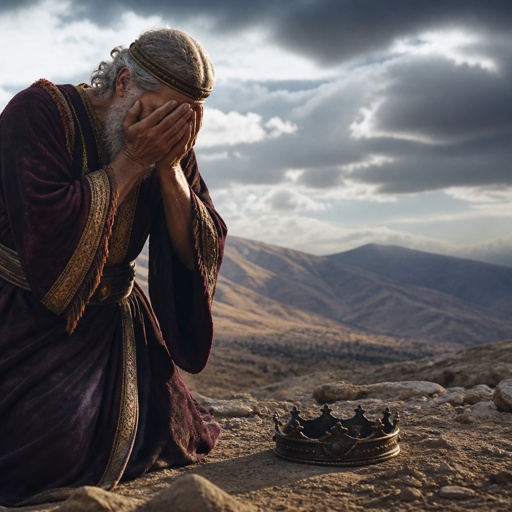
1 Samuel 13:13-14

1 Samuel 17:14 - "And David was the youngest: and the three eldest followed Saul."
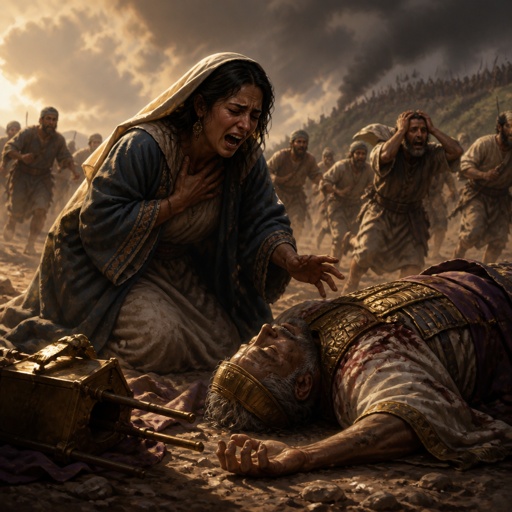
1 Samuel 4:14-16

1 Samuel 15:26 - "And Samuel said unto Saul, I will not return with thee: for thou hast rejected the word of the LORD, and the LORD hath rejected thee from being king over Israel."

1 Samuel 9:26 - "And they arose early: and it came to pass about the spring of the day, that Samuel called Saul to the top of the house, saying, Up, that I may send thee away. And Saul arose, and they went out both of them, he and Samuel, abroad."

1 Samuel 15:14 - "And Samuel said, What meaneth then this bleating of the sheep in mine ears, and the lowing of the oxen which I hear?"

"And the child Samuel grew on, and was in favour both with the LORD, and also with men." - 1 Samuel 2:26

1 Samuel 14:51 - "And Kish was the father of Saul; and Ner the father of Abner was the son of Abiel."

1 Samuel 10:26 - "¶ And Saul also went home to Gibeah; and there went with him a band of men, whose hearts God had touched."

1 Samuel 14:25 - "And all they of the land came to a wood; and there was honey upon the ground."

1 Samuel 26:22 - "And David answered and said, Behold the king's spear! and let one of the young men come over and fetch it."
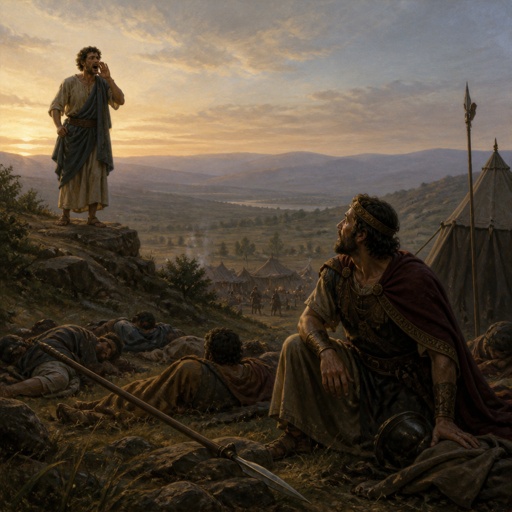
"And David cried to the people, and to Abner the son of Ner, saying, Answerest thou not, Abner? Then Abner answered and said, Who art thou that criest to the king?" - 1 Samuel 26:14

1 Samuel 9:14 - "And they went up into the city: and when they were come into the city, behold, Samuel came out against them, for to go up to the high place."

1 Samuel 1:26 - "And she said, Oh my lord, as thy soul liveth, my lord, I am the woman that stood by thee here, praying unto the LORD."