The Battle Belongs to the Lord: A Reflection on 1 Samuel 17:1
“Now the Philistines gathered together their armies to battle, and were gathered together at Shochoh, which belongeth to Judah, and pitched between Shochoh and Azekah, in Ephes-dammim.” — 1 Samuel 17:1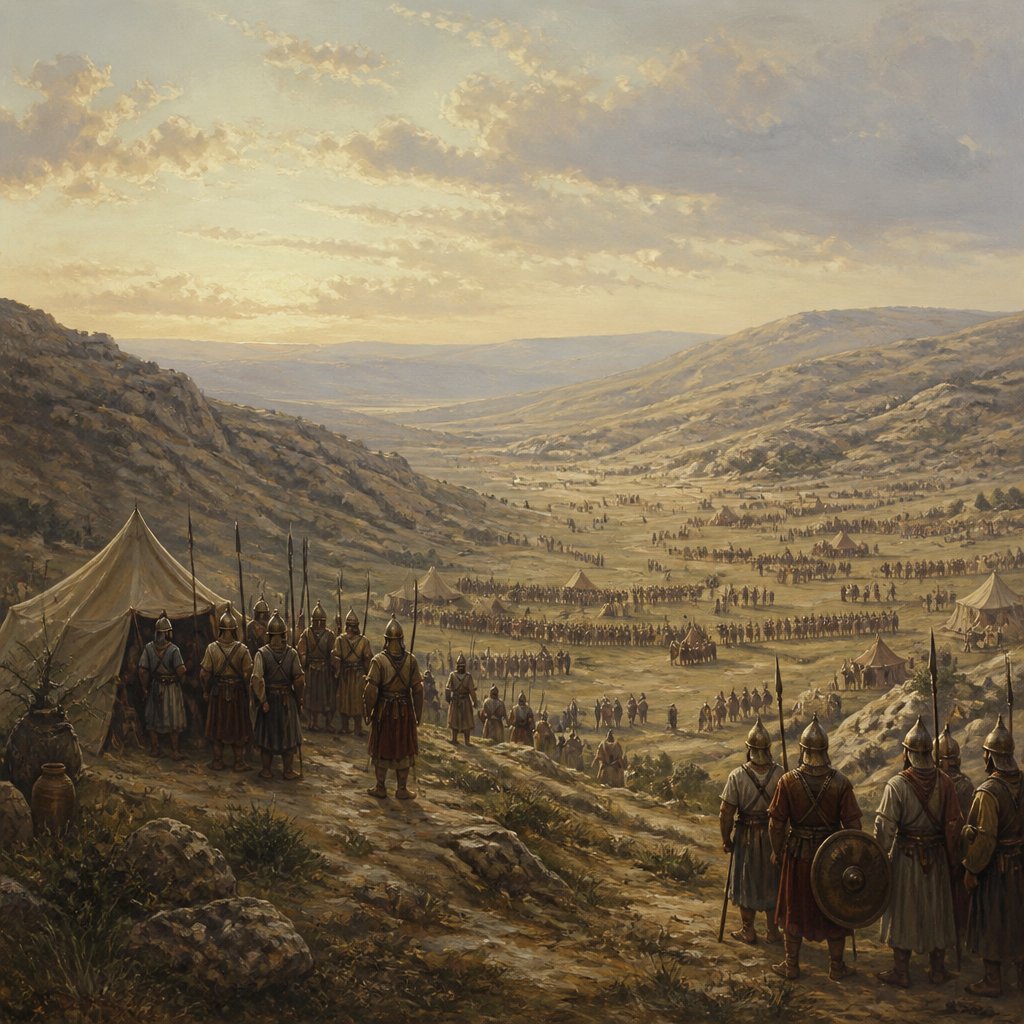
As we open our Bibles to 1 Samuel 17:1, we encounter a scene of tension, conflict, and impending battle: "Now the Philistines gathered together their armies to battle, and were gathered together at Shochoh, which belongeth to Judah, and pitched between Shochoh and Azekah, in Ephes-dammim." This verse sets the stage for one of the most well-known confrontations in biblical history—the confrontation between David and Goliath. But before we delve into the famous battle, let’s reflect on the implications and lessons we can derive from this opening verse.
The backdrop of our story is steeped in a challenge that looms large over Israel. The Philistines, a formidable enemy, gather their forces with the intent to wage war. The mention of their encampment in territories belonging to Judah emphasizes a crucial point: the battle is not just against an enemy; it is a battle for the home ground, a battle for survival and identity. When we examine our lives through the lens of this verse, we are reminded that we too face spiritual battles that threaten not only our peace but also our sense of belonging and purpose.
Shochoh, which literally means ‘the place of thorn,’ represents the challenges and obstacles we face in our daily walk. The thorns of life can manifest in many forms—stress, anxiety, temptation, or conflict. Yet it’s essential to recognize that these battles are not merely for victory in our circumstances; they are a call to action—an opportunity to deepen our reliance on God. In this gathering of armies, we see an invitation to turn to the Lord, who stands ready to lead us into victory.
We must ponder the significance of location. The Philistines pitched their tents ‘between Shochoh and Azekah,’ creating a physical representation of the tensions we often experience in our lives. Between the thorns of Shochoh and the stronghold of Azekah lies the emotional landscape of our own struggles. It can feel like we are often stuck in the middle ground, facing powerful adversaries that sow doubt and fear in our hearts.
But consider this: Judah, the tribe from which David would later arise, means ‘praise.’ Even in the face of overwhelming odds, Judah holds a promise of hope—a reminder that praise paves the way for God’s deliverance. When fear threatens to overwhelm us, can we respond like Judah? Can we lift our voices in praise, even when our situation appears dire? Our battles, much like the one described in 1 Samuel 17, are not fought merely on the field; they are fought in the spirit of our hearts.
As we meditate on this verse, let us also reflect on the greater narrative that follows in the text. David, a shepherd boy armed only with faith, rises to challenge Goliath, not through physical prowess, but through a deep-seated trust in God. "The battle is not mine, but the Lord's" he declares. Can we claim that same assurance in our own lives? The accumulating pressures of our daily battles might stir fear within us, but when we cast our eyes upon the Lord, we can find strength and confidence to confront our giants.
Additionally, we must take note of the community within the story. The armies of Israel are gathered, not isolated individuals. We are reminded of the importance of fellowship and support in our own struggles. When we gather, we should stir one another towards faith and encourage each other in the fight. It is in community that shared burdens become lighter, and victories are celebrated collectively.
In conclusion, 1 Samuel 17:1 is not merely a historical recount but a call to action. As we face the 'Philistine' challenges in our lives, let us remember where our true strength lies. Let us gather in faith, dressed in the armor that God provides, and prepare for the battles that await us with a heart full of praise. May we ever be reminded that the Lord our God fights for us, and in Him lies our ultimate victory.
Get our apps


Artwork for 1 Samuel 17:1

1 Samuel 17:1 - "Now the Philistines gathered together their armies to battle, and were gathered together at Shochoh, which belongeth to Judah, and pitched between Shochoh and Azekah, in Ephes-dammim."
"Now the Philistines gathered together their armies to battle, and were gathered together at Shochoh, which belongeth to Judah, and pitched between Shochoh and Azekah, in Ephes-dammim." - 1 Samuel 17:1

1 Samuel 17:33

1 Samuel 1:15-17

1 Samuel 17:34-35

1 Samuel 10:17 - "¶ And Samuel called the people together unto the LORD to Mizpeh;"

1 Samuel 17:49

1 Samuel 17:45

1 Samuel 17:49

1 Samuel 17:45

1 samuel 17:3

1 Samuel 17:49

1 Samuel 17:45
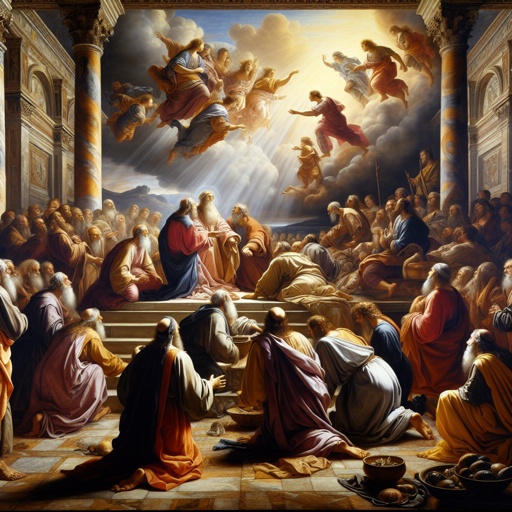
1 Samuel 17:49

2 Samuel 1. 17-27
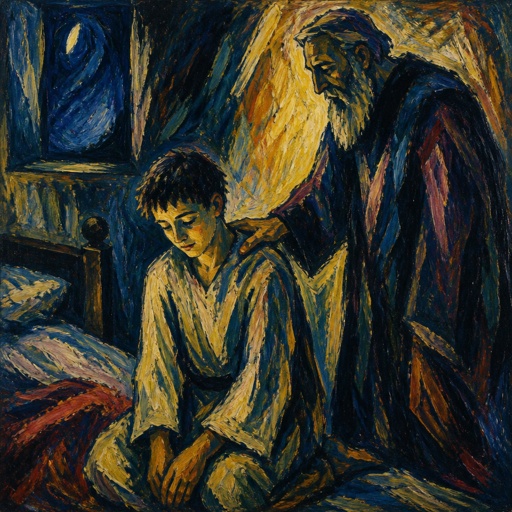
1 Samuel 3:17-18

1 Samuel 17:38-40

1 Samuel 17:45-49

1 Samuel 17:14 - "And David was the youngest: and the three eldest followed Saul."

1 Samuel 17:56 - "And the king said, Enquire thou whose son the stripling is."

1 Samuel 1:17 - "Then Eli answered and said, Go in peace: and the God of Israel grant thee thy petition that thou hast asked of him."

2 Samuel 1:17 - "¶ And David lamented with this lamentation over Saul and over Jonathan his son:"

1 Samuel 17:29 - "And David said, What have I now done? Is there not a cause?"

1 Samuel 17:19 - "Now Saul, and they, and all the men of Israel, were in the valley of Elah, fighting with the Philistines."

1 Samuel 17:53 - "And the children of Israel returned from chasing after the Philistines, and they spoiled their tents."

1 Samuel 17:21 - "For Israel and the Philistines had put the battle in array, army against army."

1 Samuel 8:17 - "He will take the tenth of your sheep: and ye shall be his servants."

1 Samuel 17:16 - "And the Philistine drew near morning and evening, and presented himself forty days."

1 Samuel 9:17 - "And when Samuel saw Saul, the LORD said unto him, Behold the man whom I spake to thee of! this same shall reign over my people."

1 Samuel 17:15 - "But David went and returned from Saul to feed his father's sheep at Beth-lehem."