The Battle Belongs to the Lord: Lessons from Jesse's Sons
“And the three eldest sons of Jesse went and followed Saul to the battle: and the names of his three sons that went to the battle were Eliab the firstborn, and next unto him Abinadab, and the third Shammah.” — 1 Samuel 17:13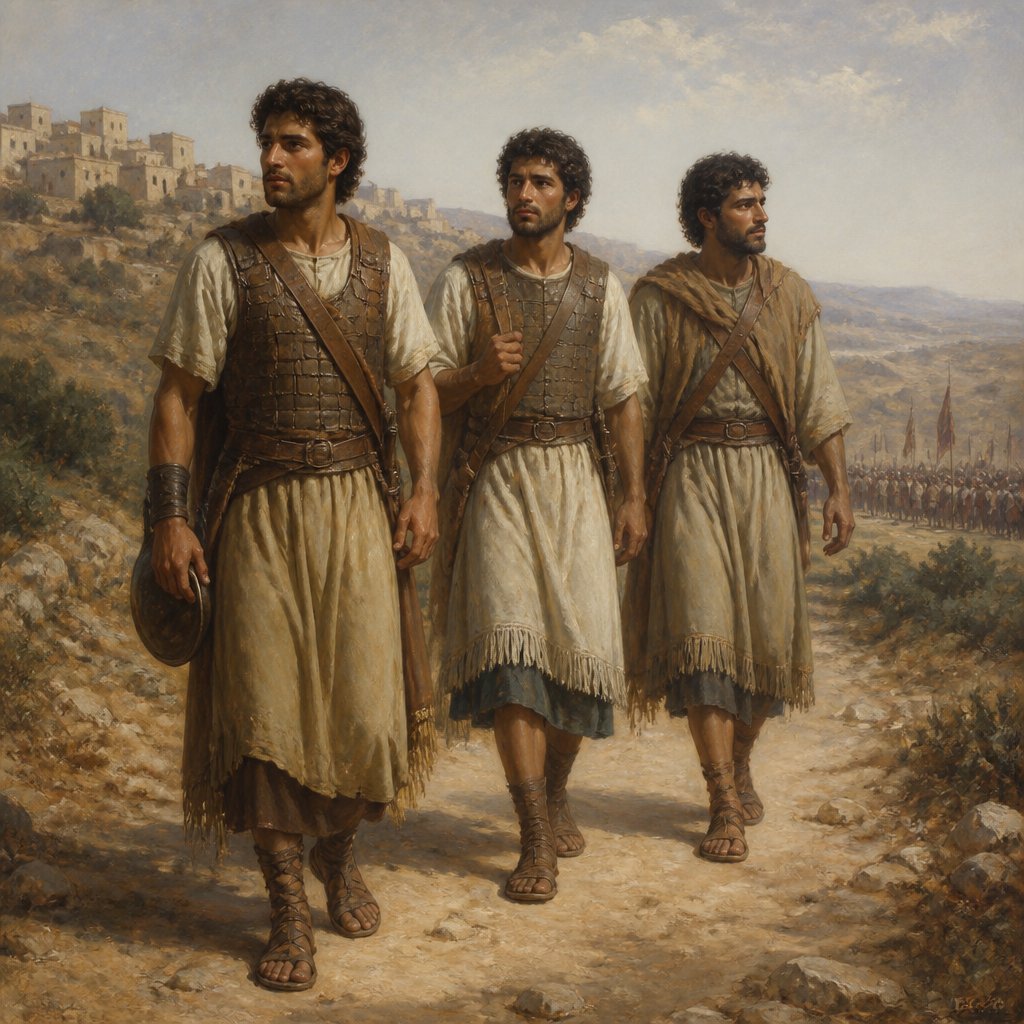
1 Samuel 17:13 reads, "And the three eldest sons of Jesse went and followed Saul to the battle: and the names of his three sons that went to the battle were Eliab the firstborn, and next unto him Abinadab, and the third Shammah." This verse, nestled within the grand narrative of David and Goliath, offers profound insights about purpose, preparation, and divine appointment.
In the broader context of 1 Samuel 17, we find the Israelites in a pivotal battle against the Philistines, standing terrified on one side of the valley, with the formidable giant Goliath challenging their very identity. It is against this ominous backdrop that Jesse’s three sons—Eliab, Abinadab, and Shammah—step into the fray, embodying the courage and lineage that was expected from a warrior class.
Eliab, the firstborn, bore the responsibility of leadership, not only as a soldier but as an heir. Traditionally, the firstborn receives a double portion of the inheritance, carrying the weight of family legacy. Yet, as we observe later in the chapter, Eliab's outward appearance does not afford him the gravity one might assume. When Samuel visits Jesse to anoint a king, it is Eliab’s stature that stands out ('for the Lord seeth not as man seeth; for man looketh on the outward appearance, but the Lord looketh on the heart' - 1 Samuel 16:7). Herein lies a vital lesson: God measures our capabilities not by our status or appearance but by our hearts and readiness to serve, regardless of human expectations.
Next is Abinadab, whose name means 'father of nobility.' Though not much is documented about him, his mere presence at the battlefront illustrates the importance of family unity in times of struggle. His commitment symbolizes the support structures that we need in our lives—friends, family, and faith communities that stand with us even when faced with insurmountable challenges. Often, we are called to release our burdens to those who walk alongside us, reminding us that we are not alone in our battles. Abinadab’s story teaches us the vital role of companionship and collective resolve in the face of adversity.
Finally, Shammah, the third son, represents perseverance and resilience. His name means 'to make a name’ or ‘to be heard’. Shammah's involvement in the battle is significant, for he stands as a testament that it is often in the latter ranks that God reveals extraordinary strength. Shammah’s commitment to join his brothers in the fight, despite not being the firstborn, reminds us that God's victories come through unexpected means and individuals. It encourages each of us to engage wholeheartedly in the battles assigned to us, believing that every effort counts in God’s grand narrative.
As we examine the passage, we, too, must ask ourselves: What battles are we facing? Are we stepping into them as the eldest son, the follower, or are we waiting on the sidelines? The call to action is clear; God is inviting us to participate in His plans even when the odds seem stacked against us. The battle we are part of may not be a physical confrontation; it could be the struggle against anxiety, addiction, or injustice. The presence of Jesse's sons serves as a resonant echo, igniting the courage within us to confront the giants in our lives.
In conclusion, the narrative of Jesse’s sons serves as a beautiful tapestry interwoven with themes of legacy, loyalty, and divine empowerment. Their willingness to follow King Saul into battle—not knowing what the outcome would be—echoes our call as believers to trust in God’s ultimate plan for victory. May we derive strength from their example, standing firm in our battles, armed with the faith that the God we serve has the power to silence every giant that threatens to overshadow our purpose. Let us remember, as we go into our daily lives, that the battle belongs to the Lord (2 Chronicles 20:15); our role is to trust, obey, and engage.
Get our apps


Artwork for 1 Samuel 17:13

1 Samuel 17:13 - "And the three eldest sons of Jesse went and followed Saul to the battle: and the names of his three sons that went to the battle were Eliab the firstborn, and next unto him Abinadab, and the third Shammah."
"And the three eldest sons of Jesse went and followed Saul to the battle: and the names of his three sons that went to the battle were Eliab the firstborn, and next unto him Abinadab, and the third Shammah." - 1 Samuel 17:13
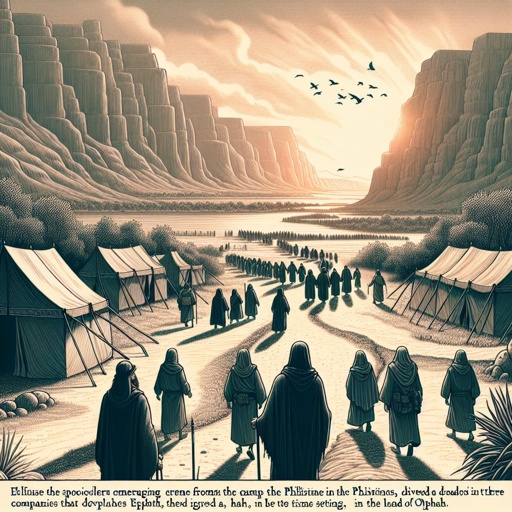
1 Samuel 13:17 - "¶ And the spoilers came out of the camp of the Philistines in three companies: one company turned unto the way that leadeth to Ophrah, unto the land of Shual:"

1 Samuel 10:17 - "¶ And Samuel called the people together unto the LORD to Mizpeh;"

1 Samuel 17:33
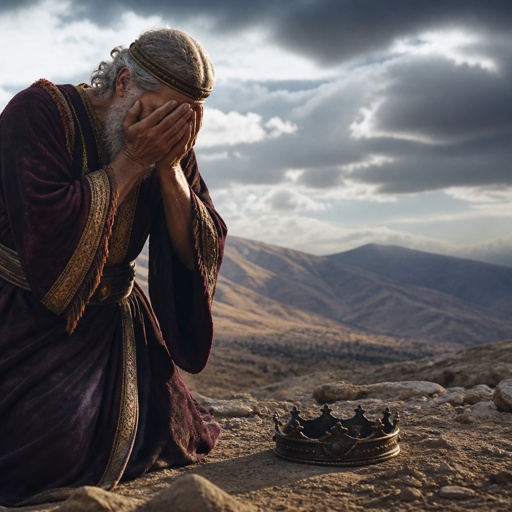
1 Samuel 13:13-14

1 Samuel 1:15-17

1 Samuel 17:34-35

1 Samuel 17:49

1 Samuel 17:45

1 Samuel 17:49

1 Samuel 17:45
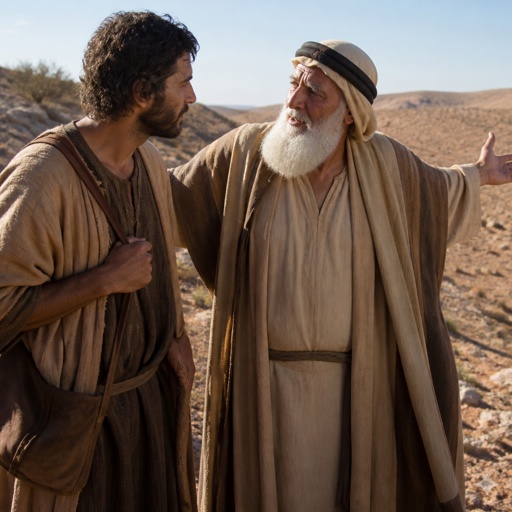
1 Samuel 9:17
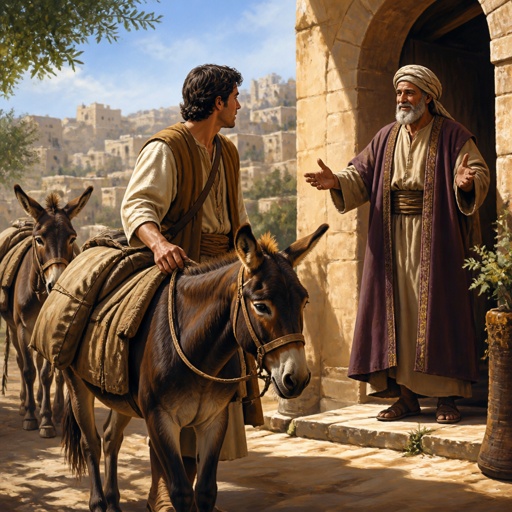
1 Samuel 9:17

1 samuel 17:3

1 Samuel 17:49

1 Samuel 17:45
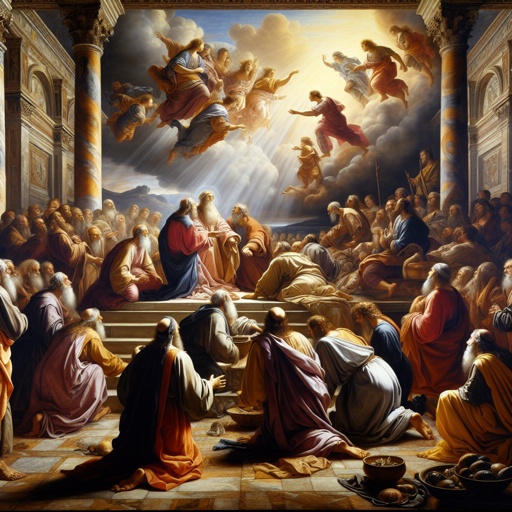
1 Samuel 17:49

1 Samuel 16:1–13
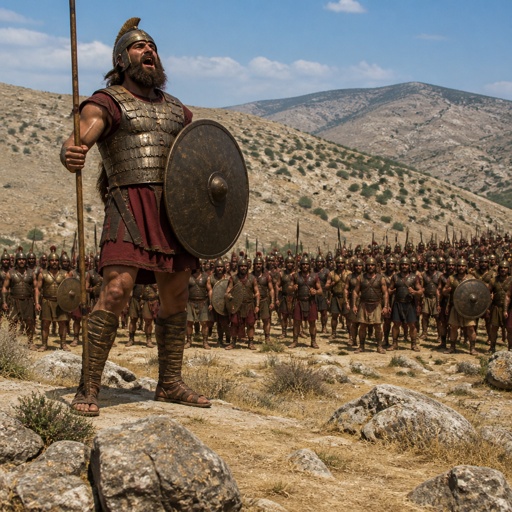
1 Samuel 17:4-8
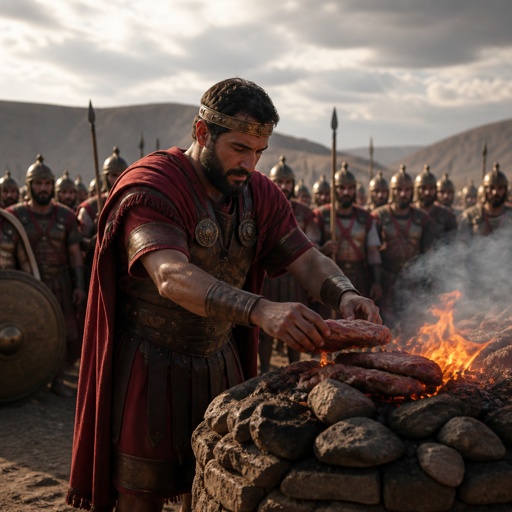
1 Samuel 13:11

1 Samuel 12:13

2 Samuel 1. 17-27
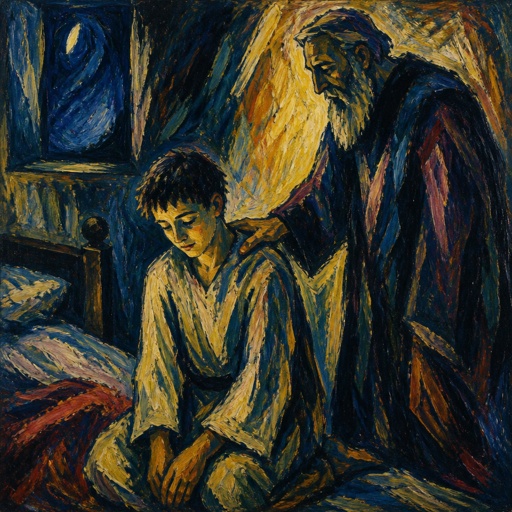
1 Samuel 3:17-18
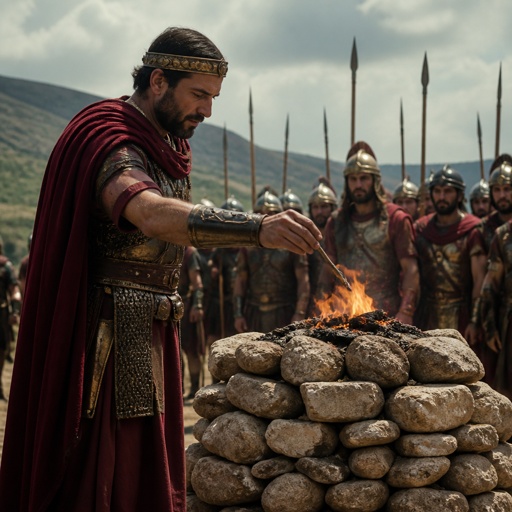
1 Samuel 13:3
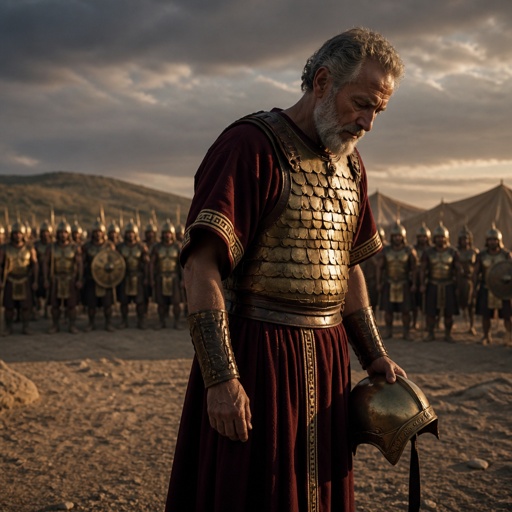
1 Samuel 13:14

1 Samuel 17:38-40

1 Samuel 17:14 - "And David was the youngest: and the three eldest followed Saul."

1 Samuel 17:45-49

1 Samuel 12:13