Running Towards Purpose: The Heart of David
“And David left his carriage in the hand of the keeper of the carriage, and ran into the army, and came and saluted his brethren.” — 1 Samuel 17:22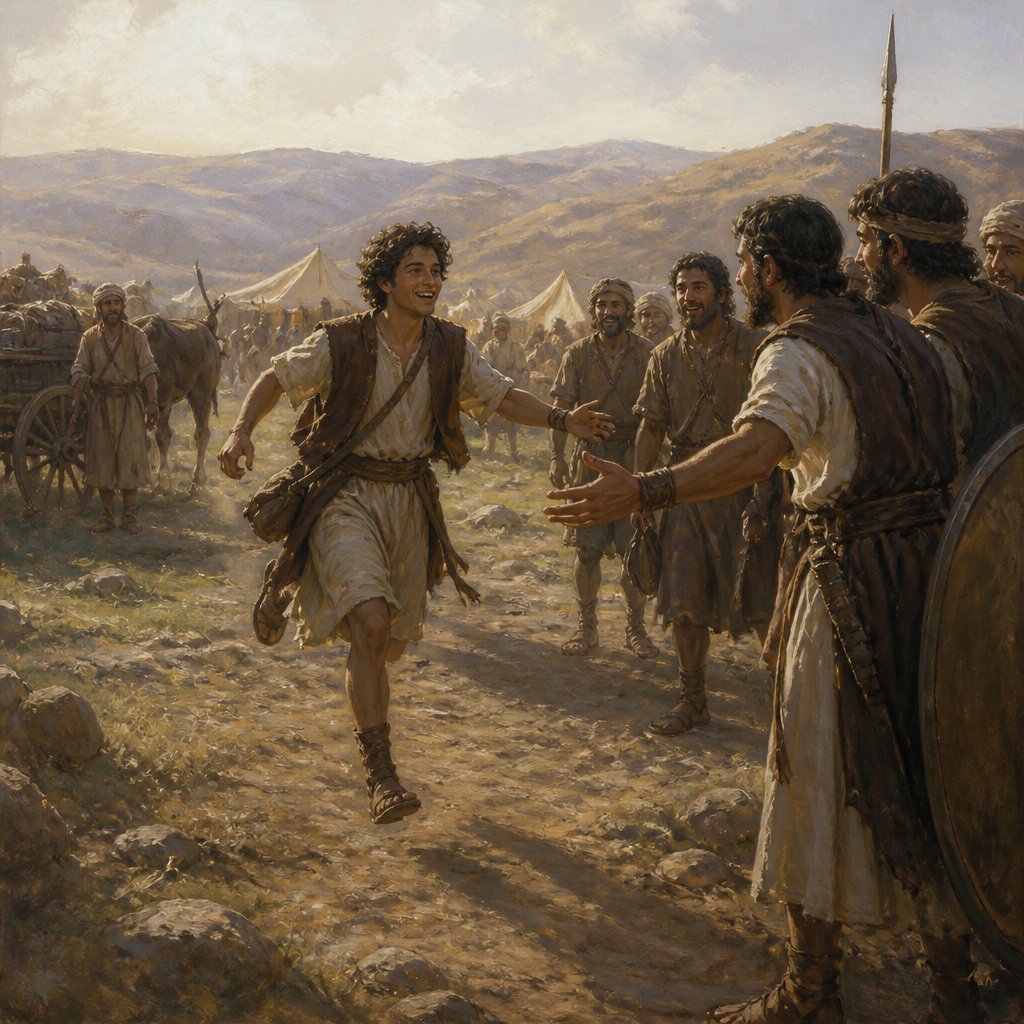
In the remarkable account found in 1 Samuel 17:22, we read, "And David left his carriage in the hand of the keeper of the carriage, and ran into the army, and came and saluted his brethren." This verse serves as a brief yet profound snapshot of an extraordinary moment in the life of David, a young shepherd who would become king, not by birthright but through divine appointment.
### The Context of the Moment
To appreciate the weight of David's actions, we must understand the backdrop of this event. The Israelite army, led by King Saul, is in a state of fear and disarray, paralyzed by the taunts of Goliath, the giant Philistine warrior. This is a time of crisis, a moment when courage wavers and faith is tested. Meanwhile, David, a mere lad, is on a mission to deliver supplies to his brothers who are on the front lines. But as he arrives, he is exposed to the fear and despair that have gripped the hearts of the soldiers.
### Leaving the Carriage
David's decision to leave his carriage in the hands of the keeper is not merely a logistical move; it embodies a deeper principle of prioritizing purpose over possessions. The carriage—representative of supplies and his past role as a caretaker—symbolizes the worldly concerns that often weigh us down. In our spiritual lives, we can find ourselves preoccupied with our own "carriage," whether it be personal ambitions, societal expectations, or material possessions.
In leaving behind his carriage, David frees himself from distractions, allowing him to focus entirely on the mission at hand. As Christians, we are also called to leave behind our burdens and anxieties. Philippians 4:6-7 reminds us, "Be careful for nothing; but in every thing by prayer and supplication with thanksgiving let your requests be made known unto God. And the peace of God, which passeth all understanding, shall keep your hearts and minds through Christ Jesus." When we surrender our worries, we, like David, can run toward the battles that God has prepared for us.
### Running Into the Army
The act of running into the army speaks volumes about David's character. He does not hesitate or flinch; instead, he embodies a heart full of courage and eagerness. This act reveals a profound willingness to engage—not just in physical battle, but in a spiritual one as well. While the others fear, David is bold. He sees not just an intimidating giant but an opportunity for God to be glorified.
David's reaction reflects his deep understanding that the battles we face are not merely our own but involve the living God. When we are confronted with our giants—be it family strife, health concerns, or spiritual warfare—do we run toward them in faith, or do we retreat in fear? Isaiah 40:31 encourages us by saying, "But they that wait upon the Lord shall renew their strength; they shall mount up with wings as eagles; they shall run, and not be weary; and they shall walk, and not faint."
### Saluting His Brethren
Lastly, David's act of saluting his brethren is telling of his heart for community. In moments of anxiety and fear, we often isolate ourselves. Yet, David's first action was to greet those around him actively involved in the struggle. In a world that often encourages individualism, we need the reminder of the importance of community. Just as David greeted his brothers, we should seek to immerse ourselves among our communities—as the Church, as families, as friends—lifting one another up.
### Conclusion
Every aspect of this brief verse encapsulates the essence of living with purpose: leaving behind distractions, boldly confronting challenges, and upholding community. As we navigate our own lives filled with battles, let us look to David as our example. Let us leave our carriages, run toward our God-given assignments, and encourage those around us. The heart of David communicates an urgent call to action; are we ready to answer? May we continually seek to run towards our purpose, saluting our brethren along the way.
Get our apps


Artwork for 1 Samuel 17:22

1 Samuel 17:22 - "And David left his carriage in the hand of the keeper of the carriage, and ran into the army, and came and saluted his brethren."
"And David left his carriage in the hand of the keeper of the carriage, and ran into the army, and came and saluted his brethren." - 1 Samuel 17:22

2 Samuel 22:17-20

1 Samuel 10:17 - "¶ And Samuel called the people together unto the LORD to Mizpeh;"

2 Samuel 22:17 - "He sent from above, he took me; he drew me out of many waters;"

1 Samuel 17:33

James 1:17-22

1 Samuel 1:15-17

2 Samuel 24:22

2 Samuel 24:22

2 Samuel 24:22

1 Samuel 15:22

1 Samuel 15:22

1 Samuel 17:34-35

1 Samuel 17:49

1 Samuel 17:45

1 Samuel 17:49

1 Samuel 17:45
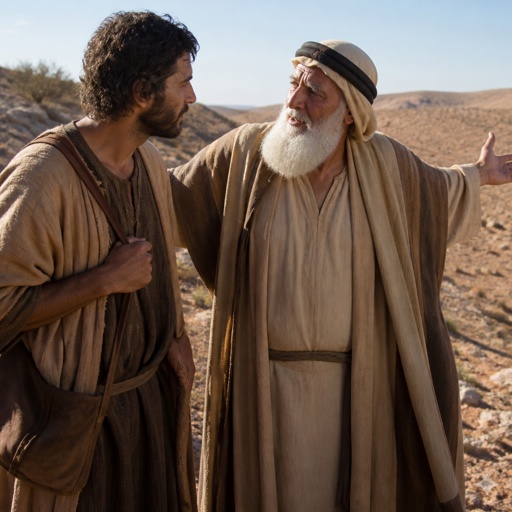
1 Samuel 9:17
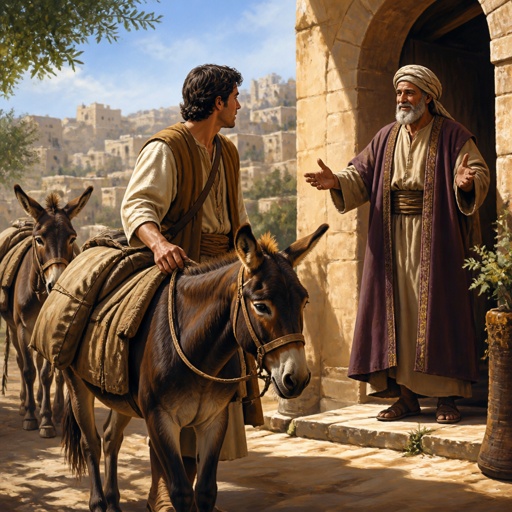
1 Samuel 9:17

1 samuel 17:3

1 Samuel 17:49

1 Samuel 17:45
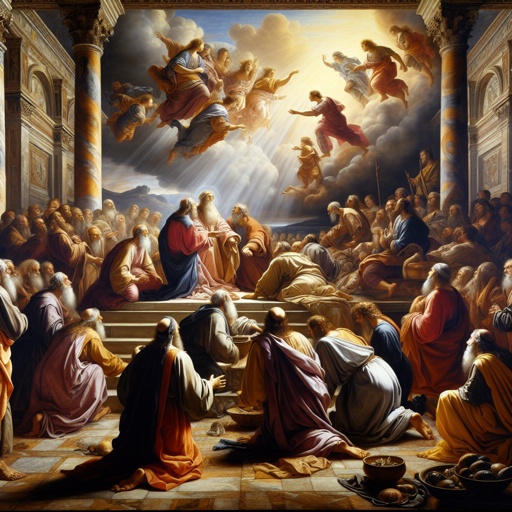
1 Samuel 17:49

Leviticus 23:17-22

1 Samuel 22:11-13
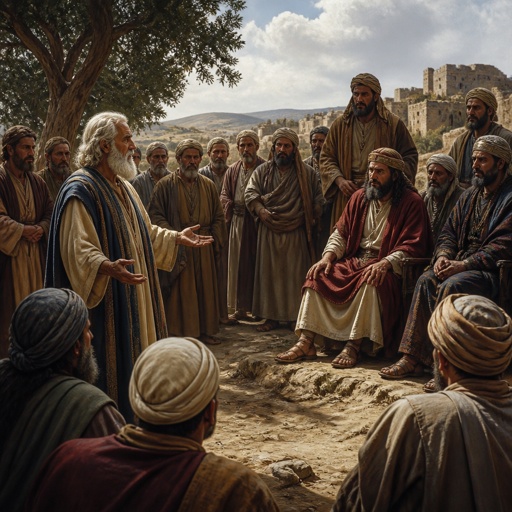
1 Samuel 8:19-22
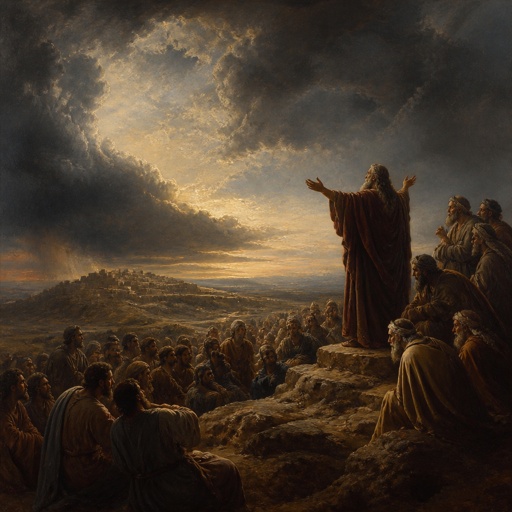
1 Samuel 8:19-22

2 Samuel 17:22 - "Then David arose, and all the people that were with him, and they passed over Jordan: by the morning light there lacked not one of them that was not gone over Jordan."
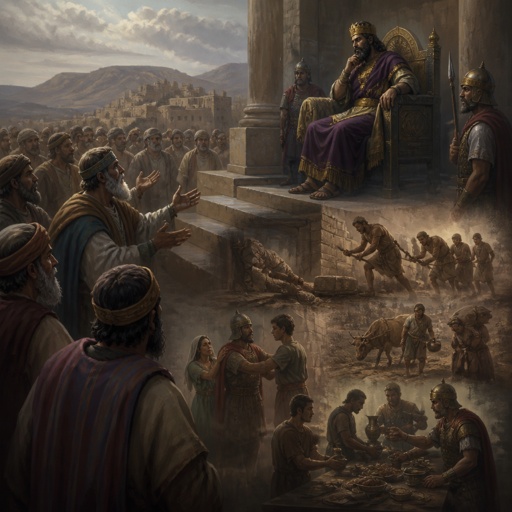
1 Samuel 8:19-22