Confronting Our Giants: A Lesson on Courage from David and Goliath
“And the Philistine said unto David, Am I a dog, that thou comest to me with staves? And the Philistine cursed David by his gods.” — 1 Samuel 17:43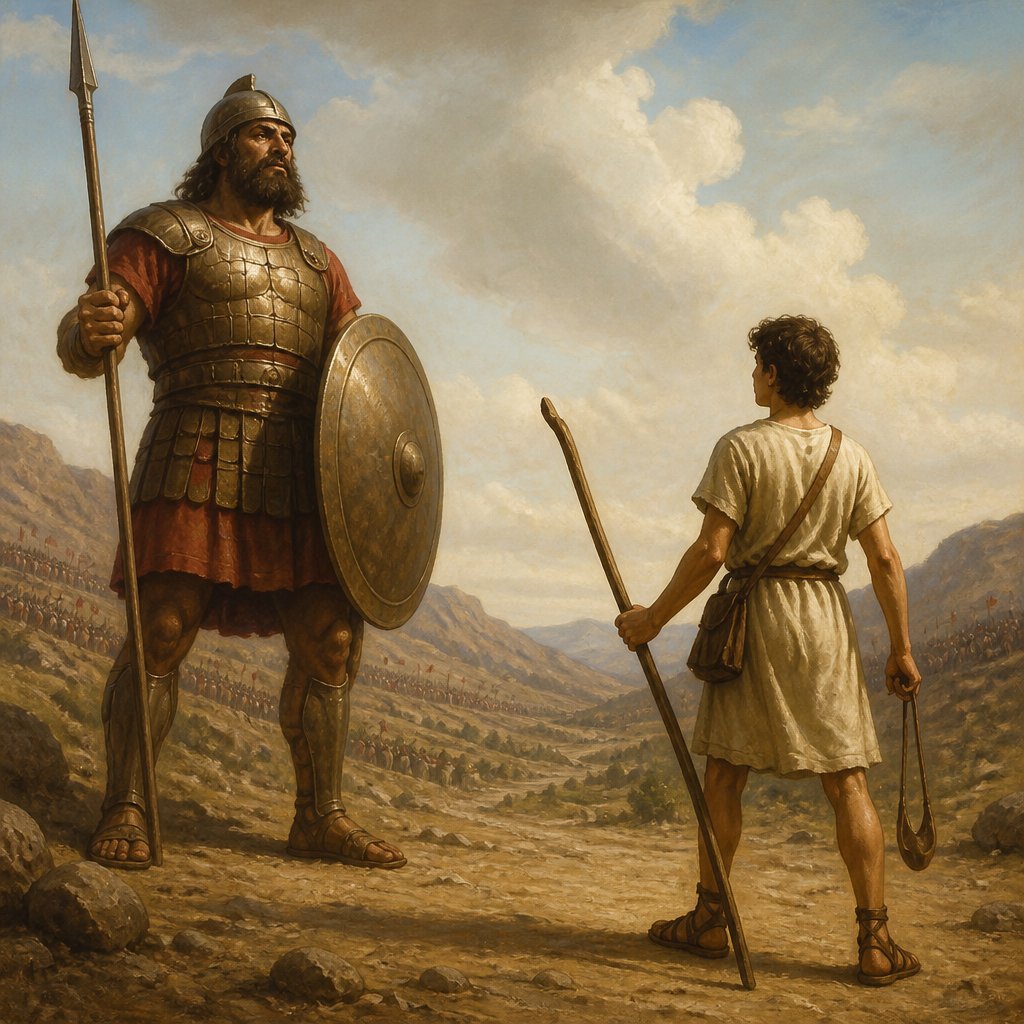
The encounter between David and Goliath is one of the most iconic stories in the Bible, encapsulating themes of courage, faith, and the triumph of the underdog. In 1 Samuel 17:43, the towering Philistine warrior Goliath bellows in disdain at the shepherd boy who dares to challenge him, saying, "Am I a dog, that thou comest to me with staves? And the Philistine cursed David by his gods." This moment is crucial, as it highlights not only Goliath's arrogance but also the nature of the spiritual battle that is being fought.
Goliath's ridicule is steeped in cultural significance; he viewed combat as a matter of honor and strength, and here he sees David not only as an inferior warrior but almost contemptibly so. Coming out to face a giant armed with nothing more than a sling and a few stones, David embodies a different kind of strength—a strength that comes from faith and trust in the Lord rather than the weapons of might that Goliath relies upon.
In our lives, we often face our own giants—challenges that appear insurmountable. These include personal struggles like jobs lost, health crises, family breakdowns, and the spiritual battles we fight every day against despair, temptation, and doubt. When the enemy brings forth these mountains, it can feel as though we stand before Goliath himself, mocked and belittled in our vulnerability. However, the reality of our lives is that the same God who empowered David to face Goliath is with us today.
The first lesson from this confrontation is recognizing that our worth and strength do not emanate from our circumstances or the size of our challenges. Goliath's insults aimed to belittle David, reduce him to a mere boy, a shepherd, unworthy of Goliath’s time. Yet, in a world that often skews perception based on appearances or status, we must hold fast to our identity as children of God. We are made in His image, infused with inherent value despite the voices that seek to dehumanize us.
Faith is David's weapon of choice. When Goliath cursed David by his gods, it was a moment meant to instill fear. Yet, David’s response, seen in the verses before and after this exchange, reflects profound faith. He does not back down but boldly declares in 1 Samuel 17:45, "Thou comest to me with a sword, and with a spear, and with a shield: but I come to thee in the name of the Lord of hosts, the God of the armies of Israel, whom thou hast defied." This brings us to the essence of victory: it is by the power of God that we stand against our adversaries. David knew that true strength was not in physical arms but in the spiritual backing of Almighty God.
Moreover, we ought to recognize that facing our giants often requires stepping out in the faith that God has provided us. David did not wait for someone else to fight his battle; he didn’t seek to armor himself in what others deemed suitable for the fight. Instead, he took up what was familiar to him—his sling and stones—and moved forward in faith. In our context, this could mean using the skills, gifts, and experiences we have accrued through life to confront and engage with our issues. God often equips us with the very tools we need to face our challenges head-on.
As we sit with the narrative of David and Goliath, let us not forget that though our giants may be formidable, they are not beyond the reach of God’s plan and power. "For the weapons of our warfare are not carnal, but mighty through God to the pulling down of strong holds" (2 Corinthians 10:4). Let us remember that no matter how loud the ridicule from the giants in our lives may be, we have an advocate who fights for us. He is the same God who empowered David, and He is ready to empower us as we take our stand.
Get our apps


Artwork for 1 Samuel 17:43

1 Samuel 17:43 - "And the Philistine said unto David, Am I a dog, that thou comest to me with staves? And the Philistine cursed David by his gods."
"And the Philistine said unto David, Am I a dog, that thou comest to me with staves? And the Philistine cursed David by his gods." - 1 Samuel 17:43

1 Samuel 25:43 - "David also took Ahinoam of Jezreel; and they were also both of them his wives."

1 Samuel 10:17 - "¶ And Samuel called the people together unto the LORD to Mizpeh;"

1 Samuel 17:33

1 Samuel 1:15-17

1 Samuel 17:34-35

1 Samuel 17:49

1 Samuel 17:45

1 Samuel 17:49

1 Samuel 17:45
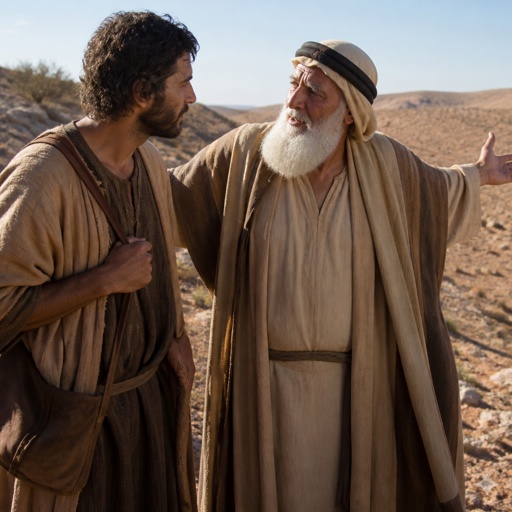
1 Samuel 9:17
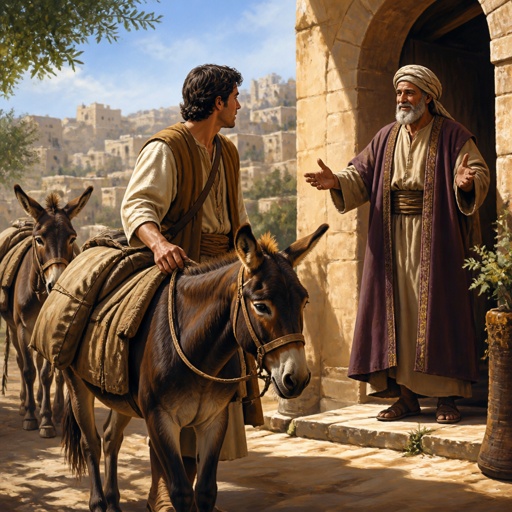
1 Samuel 9:17

1 samuel 17:3

1 Samuel 17:49

1 Samuel 17:45
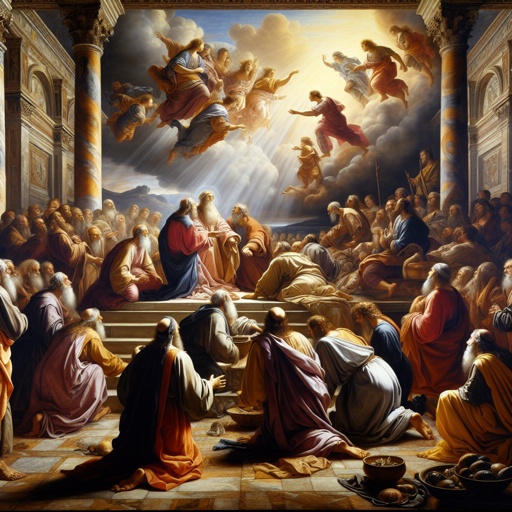
1 Samuel 17:49
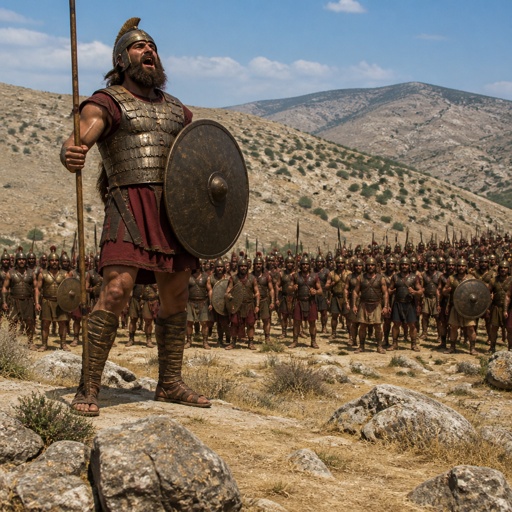
1 Samuel 17:4-8

2 Samuel 1. 17-27
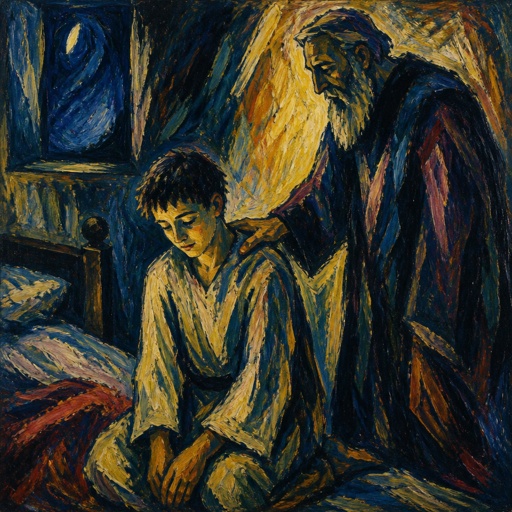
1 Samuel 3:17-18

1 Samuel 17:38-40

1 Samuel 17:14 - "And David was the youngest: and the three eldest followed Saul."

1 Samuel 17:45-49

1 Samuel 14:43 - "Then Saul said to Jonathan, Tell me what thou hast done. And Jonathan told him, and said, I did but taste a little honey with the end of the rod that was in mine hand, and, lo, I must die."

1 Samuel 17:56 - "And the king said, Enquire thou whose son the stripling is."

1 Samuel 9:17 - "And when Samuel saw Saul, the LORD said unto him, Behold the man whom I spake to thee of! this same shall reign over my people."

2 Samuel 1:17 - "¶ And David lamented with this lamentation over Saul and over Jonathan his son:"
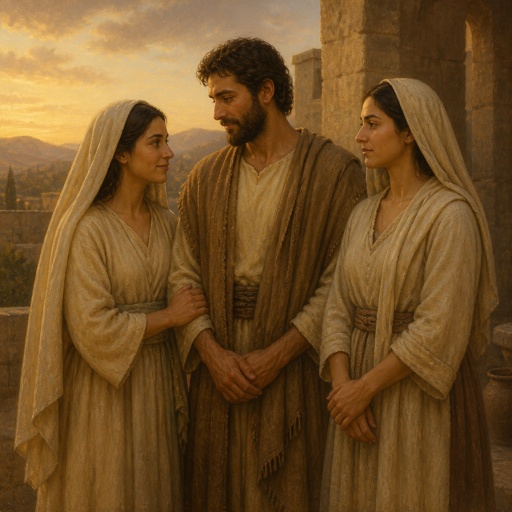
"David also took Ahinoam of Jezreel; and they were also both of them his wives." - 1 Samuel 25:43

1 Samuel 17:29 - "And David said, What have I now done? Is there not a cause?"

1 Samuel 17:19 - "Now Saul, and they, and all the men of Israel, were in the valley of Elah, fighting with the Philistines."