The Power of Faithful Defiance: Lessons from David and Goliath
“So David prevailed over the Philistine with a sling and with a stone, and smote the Philistine, and slew him; but there was no sword in the hand of David.” — 1 Samuel 17:50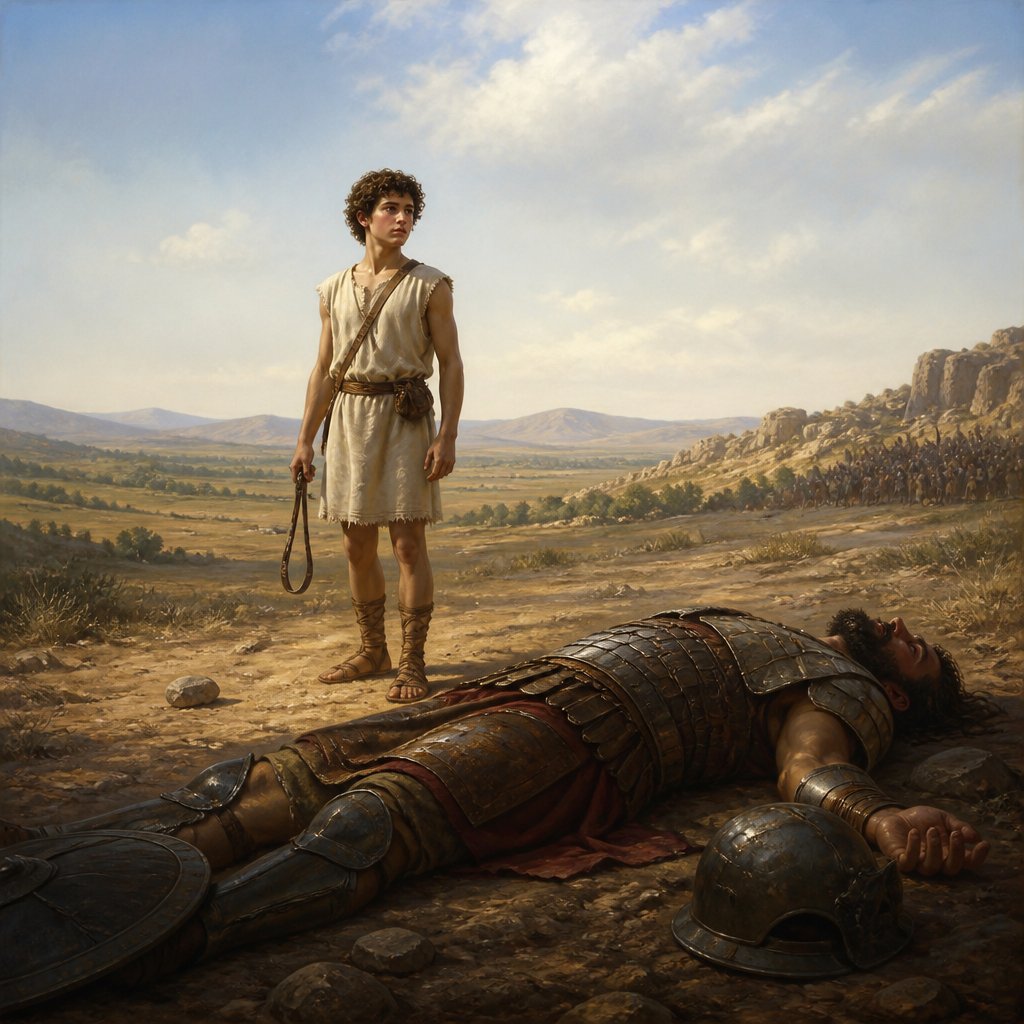
In the landscape of biblical narratives, few moments resonate as profoundly as the story of David and Goliath. 1 Samuel 17:50 records a climactic victory: "So David prevailed over the Philistine with a sling and with a stone, and smote the Philistine, and slew him; but there was no sword in the hand of David." This verse encapsulates not only the miraculous triumph of an unlikely hero but also serves as a vivid reminder of what it means to face one's giants with unwavering faith.
David, a mere shepherd boy, stands before the towering giant Goliath, a warrior of immense size and strength representing the Philistine army. As the Israelites tremble in fear, David steps forward, armed only with a sling and five smooth stones. This choice is crucial: it is not in the weaponry that David finds strength, but in his heart’s conviction and faith in the power of God. We must remember the context of David’s life leading up to this moment—him, the youngest son of Jesse, overlooked and underestimated, yet chosen by God. David's anointing by Samuel in 1 Samuel 16 is a testament to God's ability to see beyond the surface.
When we think of giants in our own lives, we often see them as insurmountable obstacles. They might represent personal struggles, societal issues, or spiritual battles that loom large, demanding an answer. Just like the Israelites, we can find ourselves paralyzed by fear when confronted by these giants. Yet, David's response teaches us an essential lesson: what we bring to the battle matters far less than how we engage with God in our preparation and in our act of defiance.
David's approach to Goliath was not merely physical; it was foundationally spiritual. He opens his confrontation with bold proclamations of faith: "Thou comest to me with a sword, and with a spear, and with a shield: but I come to thee in the name of the Lord of hosts, the God of the armies of Israel, whom thou hast defied" (1 Samuel 17:45, KJV). Here lies the heart of the matter; David's confidence stemmed from a relationship with God—a trust that transcends human understanding. His victory was assured before the battle commenced because he understood that the fight was not against flesh and blood but against forces that defied the living God.
In our own trials, how often do we forget that our victory has been promised through faith? It is easy to feel small and inadequate when tasked with overcoming our challenges. We may not have the visible 'sword’ to engage our enemies, but we possess the mightier power of faith, prayer, and the Word of God. These are our weapons, and like David, we must wield them with confidence, knowing that victory is not a question of our resources but of God’s sovereignty.
Moreover, consider the symbolism of the stone. David selected five smooth stones, and he only needed one for the task at hand. These stones represent the various aspects of faith that God can use; it is not the stone itself that has power, but God's ability to work through it. Every act of faith, every prayer, every moment of surrender is like one of those stones, capable of bringing down our giants.
As we navigate through life's battles, let us hold firm to the truth of 1 Samuel 17:50. David did not need a sword to slay the giant, for he relied on God's might rather than his own strategy or strength. The message is clear: trust in God can bring about unimaginable outcomes. When we couple our faith with action, momentous victories follow. May we, too, prevail over our giants, not by our might, but through the Spirit that empowers and guides us toward the victory already won in Christ.
Get our apps


Artwork for 1 Samuel 17:50

1 Samuel 17:50 - "So David prevailed over the Philistine with a sling and with a stone, and smote the Philistine, and slew him; but there was no sword in the hand of David."

1 Samuel 17:50 - "So David prevailed over the Philistine with a sling and with a stone, and smote the Philistine, and slew him; but there was no sword in the hand of David."
"So David prevailed over the Philistine with a sling and with a stone, and smote the Philistine, and slew him; but there was no sword in the hand of David." - 1 Samuel 17:50

1 Samuel 14:50 - "And the name of Saul's wife was Ahinoam, the daughter of Ahimaaz: and the name of the captain of his host was Abner, the son of Ner, Saul's uncle."

1 Samuel 10:17 - "¶ And Samuel called the people together unto the LORD to Mizpeh;"

1 Samuel 17:33

1 Samuel 1:15-17

1 Samuel 17:34-35

1 Samuel 17:49

1 Samuel 17:45

1 Samuel 17:49

1 Samuel 17:45
1 Samuel 9:17
1 Samuel 9:17

1 samuel 17:3

1 Samuel 17:49

1 Samuel 17:45
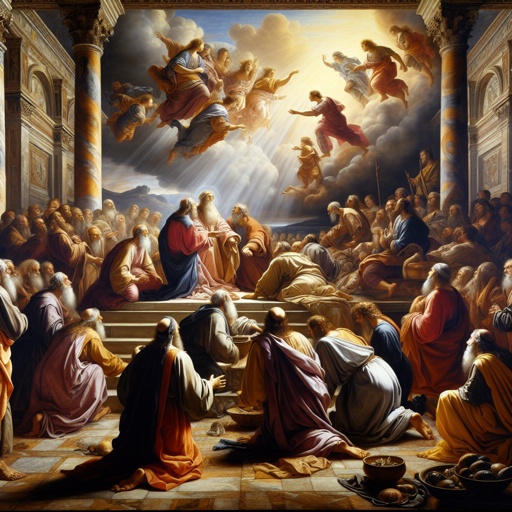
1 Samuel 17:49
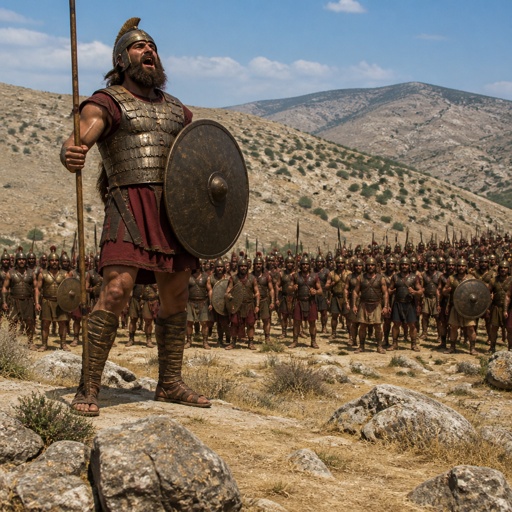
1 Samuel 17:4-8

2 Samuel 1. 17-27
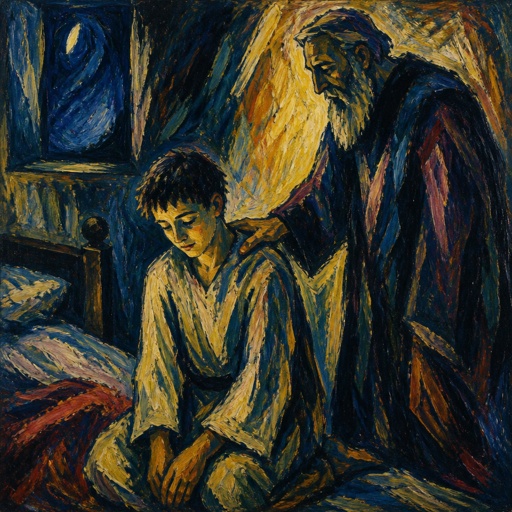
1 Samuel 3:17-18

1 Samuel 17:38-40

1 Samuel 17:14 - "And David was the youngest: and the three eldest followed Saul."

1 Samuel 17:45-49
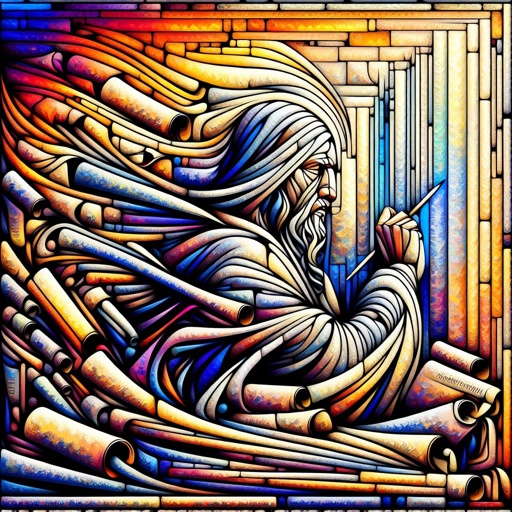
Psalms 50:17 - "Seeing thou hatest instruction, and castest my words behind thee."

1 Samuel 17:56 - "And the king said, Enquire thou whose son the stripling is."

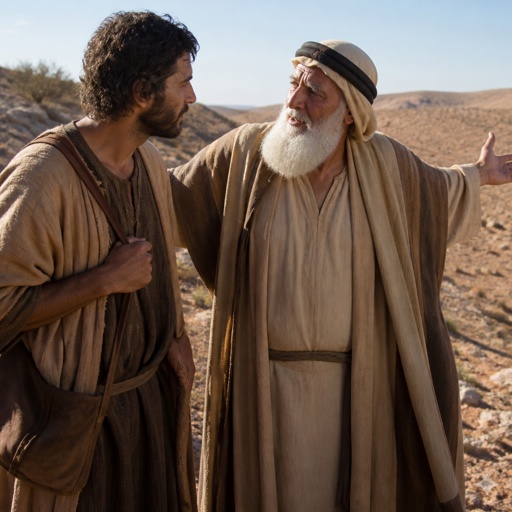
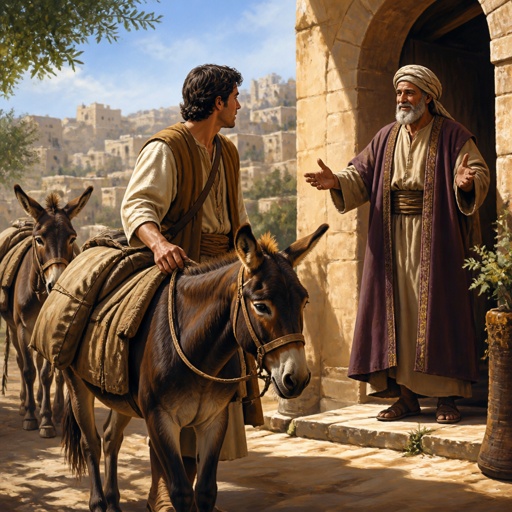
1 Samuel 9:17 - "And when Samuel saw Saul, the LORD said unto him, Behold the man whom I spake to thee of! this same shall reign over my people."

2 Samuel 1:17 - "¶ And David lamented with this lamentation over Saul and over Jonathan his son:"

1 Samuel 17:19 - "Now Saul, and they, and all the men of Israel, were in the valley of Elah, fighting with the Philistines."

1 Samuel 17:29 - "And David said, What have I now done? Is there not a cause?"