Honoring God: The Key to Divine Favor
“Wherefore the LORD God of Israel saith, I said indeed that thy house, and the house of thy father, should walk before me for ever: but now the LORD saith, Be it far from me; for them that honour me I will honour, and they that despise me shall be lightly esteemed.” — 1 Samuel 2:30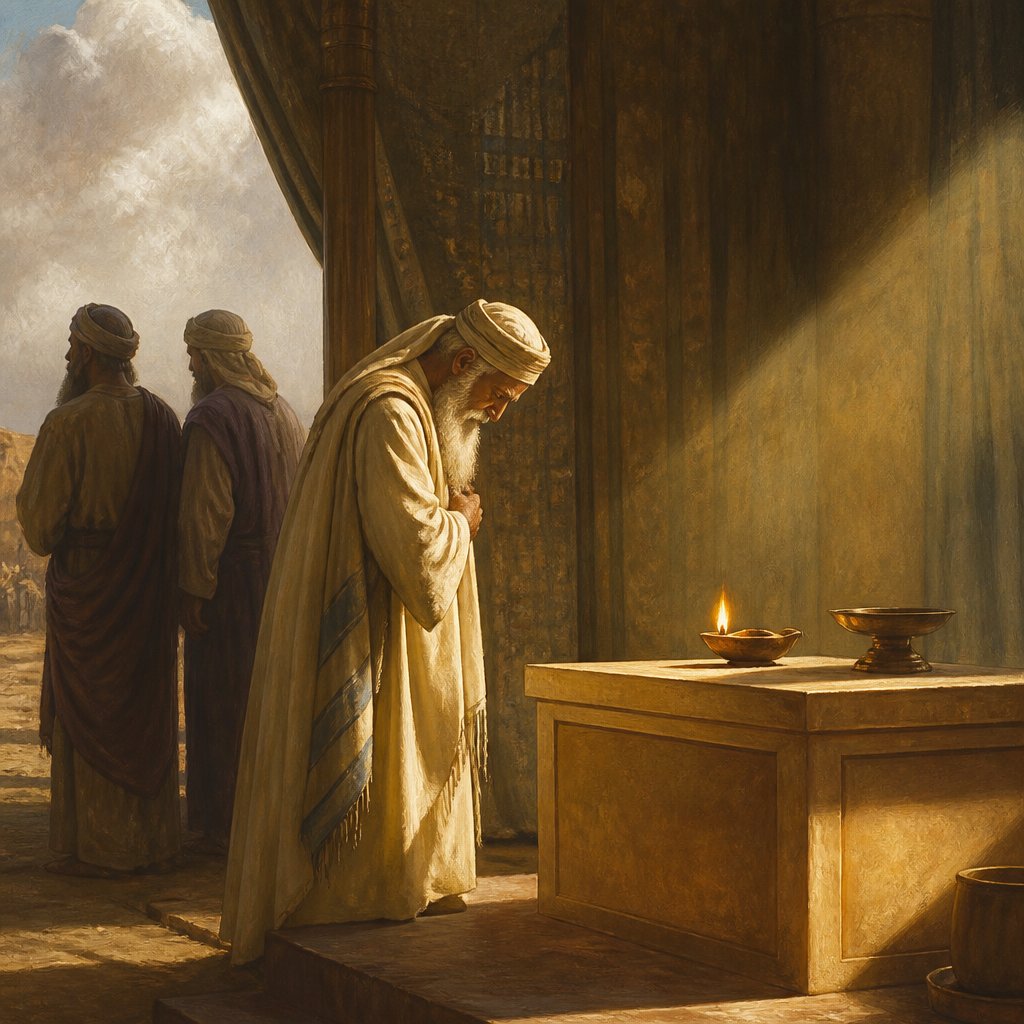
The Bible verse 1 Samuel 2:30 states, "Wherefore the LORD God of Israel saith, I said indeed that thy house, and the house of thy father, should walk before me for ever: but now the LORD saith, Be it far from me; for them that honour me I will honour, and they that despise me shall be lightly esteemed." This powerful declaration encapsulates the heart of God's covenant with the house of Eli, a promise that came with great responsibilities and expectations. Yet, it also serves as a stark reminder of the consequences of disrespecting that covenant. In this reflection, we will explore the weight of this verse and what it calls us to in our relationship with God.
The context of this scripture is profound. Eli was a priest of the Lord, and his family was chosen to serve in His temple. However, Eli’s sons, Hophni and Phinehas, engaged in grievous sin—a violation of their sacred roles. They did not honor the God they served, treating the sacrifices with disdain and disrespecting God’s commandments. It’s essential to realize that although God had a plan for Eli's lineage, this plan was contingent upon their faithfulness to Him. When they chose dishonor, the blessings promised were revoked, revealing to us a crucial truth: God values honor.
At its core, this verse is an invitation into understanding the nature of our relationship with God. The phrase "for them that honour me I will honour" sets the stage for our lives as believers. When we honor God, we not only acknowledge His position as sovereign Creator, but we actively choose to align our lives with His will and His ways. This honor is reflected in our daily choices, our worship, and our relationships. It’s about living in a way that reflects our reverence for Him—not just in word, but in every aspect of our lives.
The contrast presented by the Lord, that "they that despise me shall be lightly esteemed," serves as an urgent warning. To despise God is to not value His Word, His commands, and ultimately His presence in our lives. As such, we must critically assess what it means to honor God in our reality. Are there areas of our lives where we are dishonoring Him? This could be through neglecting our prayer life, ignoring biblical teachings, or behaving in ways that discredit His name before others. Each of these acts can lead us away from experiencing the fullness of His grace and favor.
In our modern society, the call to honor God is often drowned out by the clamor of secular values. Many find themselves caught in the whirlwind of culture that teaches convenience and self-centered living. Yet, our walk before God must remain steadfast and true. When we seek to prioritize His glory above all else, we enter into a covenant relationship full of blessings and favor. God desires to honor those who honor Him, often in miraculous ways that transcend our understanding.
Moreover, honoring God is about enduring faithfulness. It’s not merely an act or a moment but a lifestyle of gratitude, reverence, and commitment. This involves acknowledging His presence in our lives, embracing His truth, and allowing it to transform us. Each time we choose faithfulness over fleeting desires, we honor Him. Each time we pursue righteousness, we reflect His character.
As we meditate on 1 Samuel 2:30, let us recommit ourselves to honoring God in every facet of our lives. Let us rise above the noise of cultural complacency and declare our allegiance to the Almighty. May we understand that our honor invites His honor—and in that sacred exchange, we discover the abundant life He promised us. The call is clear: to navigate this journey of life as faithful stewards of His grace, walking with intention and integrity before our God.
Get our apps


Artwork for 1 Samuel 2:30

1 Samuel 2:30 - "Wherefore the LORD God of Israel saith, I said indeed that thy house, and the house of thy father, should walk before me for ever: but now the LORD saith, Be it far from me; for them that honour me I will honour, and they that despise me shall be lightly esteemed."
"Wherefore the LORD God of Israel saith, I said indeed that thy house, and the house of thy father, should walk before me for ever: but now the LORD saith, Be it far from me; for them that honour me I will honour, and they that despise me shall be lightly esteemed." - 1 Samuel 2:30

1 Samuel 30:2 - "And had taken the women captives, that were therein: they slew not any, either great or small, but carried them away, and went on their way."

1.samuel 15:30

1 Samuel 30:18

1.samuel 15:30

2 Samuel 23:30 - "Benaiah the Pirathonite, Hiddai of the brooks of Gaash,"

2 Samuel 2:30 - "And Joab returned from following Abner: and when he had gathered all the people together, there lacked of David's servants nineteen men and Asahel."

1 Samuel 30:30 - "And to them which were in Hormah, and to them which were in Chorashan, and to them which were in Athach,"
1 Samuel 20:27-30

1 Samuel 2:12

1 Samuel 30:25 - "And it was so from that day forward, that he made it a statute and an ordinance for Israel unto this day."

"Benaiah the Pirathonite, Hiddai of the brooks of Gaash," - 2 Samuel 23:30

2 Samuel 18:30 - "And the king said unto him, Turn aside, and stand here. And he turned aside, and stood still."

2 Samuel 22:30 - "For by thee I have run through a troop: by my God have I leaped over a wall."

1 Samuel 30:28 - "And to them which were in Aroer, and to them which were in Siphmoth, and to them which were in Eshtemoa,"

1 Samuel 30:18 - "And David recovered all that the Amalekites had carried away: and David rescued his two wives."

1 Samuel 30:5 - "And David's two wives were taken captives, Ahinoam the Jezreelitess, and Abigail the wife of Nabal the Carmelite."

1 Samuel 30:4 - "Then David and the people that were with him lifted up their voice and wept, until they had no more power to weep."

2 Samuel 3:30 - "So Joab and Abishai his brother slew Abner, because he had slain their brother Asahel at Gibeon in the battle."

1 Samuel 30:29 - "And to them which were in Rachal, and to them which were in the cities of the Jerahmeelites, and to them which were in the cities of the Kenites,"

1 Samuel 30:31 - "And to them which were in Hebron, and to all the places where David himself and his men were wont to haunt."

1 Samuel 30:27 - "To them which were in Beth-el, and to them which were in south Ramoth, and to them which were in Jattir,"

1 Samuel 30:20 - "And David took all the flocks and the herds, which they drave before those other cattle, and said, This is David's spoil."

1 Samuel 30:1 - "And it came to pass, when David and his men were come to Ziklag on the third day, that the Amalekites had invaded the south, and Ziklag, and smitten Ziklag, and burned it with fire;"

1 Samuel 30:3 - "¶ So David and his men came to the city, and, behold, it was burned with fire; and their wives, and their sons, and their daughters, were taken captives."

1 Samuel 17:30 - "¶ And he turned from him toward another, and spake after the same manner: and the people answered him again after the former manner."

"And to them which were in Hormah, and to them which were in Chorashan, and to them which were in Athach," - 1 Samuel 30:30

1 Samuel 30:11 - "¶ And they found an Egyptian in the field, and brought him to David, and gave him bread, and he did eat; and they made him drink water;"

2 Samuel 13:30 - "¶ And it came to pass, while they were in the way, that tidings came to David, saying, Absalom hath slain all the king's sons, and there is not one of them left."