The Weight of Authority: A Soul's Dialogue with Kingship
“And Saul said, Hear now, thou son of Ahitub. And he answered, Here I am, my lord.” — 1 Samuel 22:12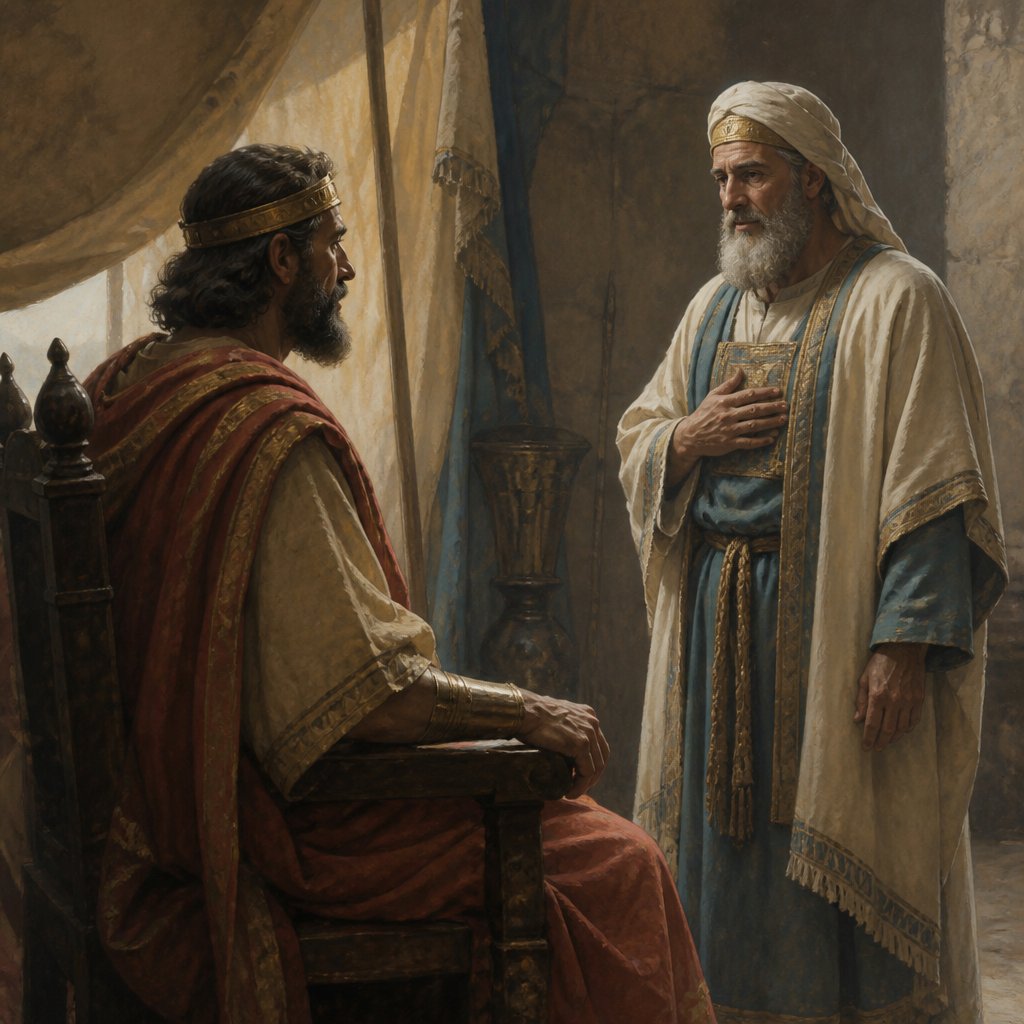
In 1 Samuel 22:12, we find a poignant moment of dialogue that illustrates the dynamics of authority and submission, as well as the intricate relationships woven within the tapestry of God's plan. The verse reads, "And Saul said, Hear now, thou son of Ahitub. And he answered, Here I am, my lord." This interaction presents a striking contrast between the characters of Saul, King of Israel, and Ahimelech, the priest and son of Ahitub, who is called upon by Saul at a critical moment in the narrative.
Saul's words, "Hear now," demand attention and convey his authority as king. He commands the respect and obedience due to a ruler, a position that bears significant weight both in his role over the people and in his relationship with God. However, we understand that this authority is not purely absolute; it is colored by his personal struggles, failures, and descent into jealousy and fear. Saul's kingship has become a source of deep turmoil, leading him to take drastic actions in an attempt to maintain control over his kingdom, particularly regarding David, the man chosen by God to succeed him.
Ahimelech's response, "Here I am, my lord," mirrors the familiar biblical theme of servitude and readiness. Here is a man willing to submit to authority, demonstrating both loyalty and an acknowledgment of the hierarchy established by God. Yet, one cannot overlook the tension embedded in this exchange. Ahimelech's position as a priest places him in a unique place of moral responsibility to God, atop the earthly authority vested in Saul. This moment serves as a reminder of the weight that comes with authority—both for those who wield it and for those who are subject to it.
In reflecting on the nature of leadership exhibited in this passage, we must acknowledge that it is fraught with complexities. Saul's kingly words reflect a man who is ultimately spiraling—his heart consumed by fear and bitterness against David, leading him to misconstrue his judgment. The darkness that surrounds Saul is palpable; once esteemed and divinely appointed, he now embodies the tragic consequences of disobedience and rejection of God's command. The Scripture teaches us that true authority is not just a matter of rank but is deeply intertwined with character, integrity, and alignment with God's will.
Ahimelech’s position, serving as a spiritual guide for the people while simultaneously acknowledging the earthly authority of Saul, compels us to examine our responses to leadership in our lives. Are we obedient yet discerning? When we are called to be attendants of authority, do we uphold our spiritual convictions, or do we succumb to the dichotomies of power that surround us? Ahimelech’s response shows readiness and an understanding of his place, but he is also caught in the crossfire of a fractured leadership that leads to tragic consequences for himself and others.
Jesus spoke of servanthood as the greatest form of leadership, promising that those who humble themselves will be exalted (Matthew 23:12). Both Saul and Ahimelech's experiences illustrate the reality that human authority will always be susceptible to flaws and sin unless it is rooted in a genuine relationship with God. As believers today, we are called to navigate within these structures while holding firm to our belief in the ultimate authority of God—a sovereign who reigns over all.
In summary, Saul's demand for Ahimelech's presence invokes the realities of authority that challenge us to reflect on our response to leadership. We must remember that our ultimate loyalty remains with God, and that our readiness to serve, even when faced with flawed leadership, must be grounded in our understanding of His greater purpose. In our daily lives, let us seek to embody unwavering faithfulness, submitting ourselves to God’s authority while standing firm in our values and convictions, even when we find ourselves face to face with imperfect leaders.
Get our apps


Artwork for 1 Samuel 22:12

1 Samuel 22:12 - "And Saul said, Hear now, thou son of Ahitub. And he answered, Here I am, my lord."

"And Saul said, Hear now, thou son of Ahitub. And he answered, Here I am, my lord." - 1 Samuel 22:12

1 Samuel 12:22 - "For the LORD will not forsake his people for his great name's sake: because it hath pleased the LORD to make you his people."

"For the LORD will not forsake his people for his great name's sake: because it hath pleased the LORD to make you his people." - 1 Samuel 12:22

2 Samuel 24:22

2 Samuel 24:22

2 Samuel 24:22

1 Samuel 15:22

1 Samuel 15:22

2 Samuel 22:12 - "And he made darkness pavilions round about him, dark waters, and thick clouds of the skies."

1 Corinthians 12:12-22

1 Samuel 12

1 Samuel 4:12

1 Samuel 22:11-13
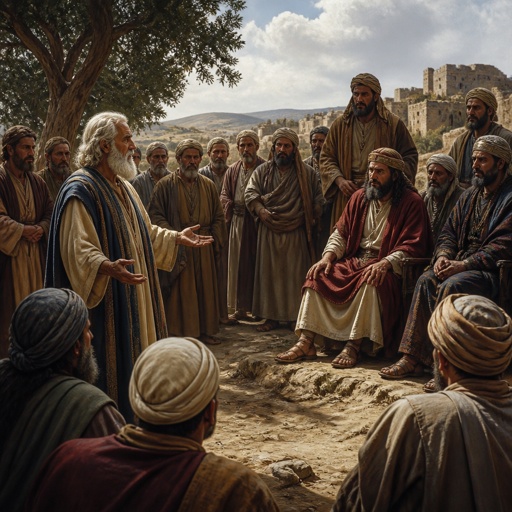
1 Samuel 8:19-22
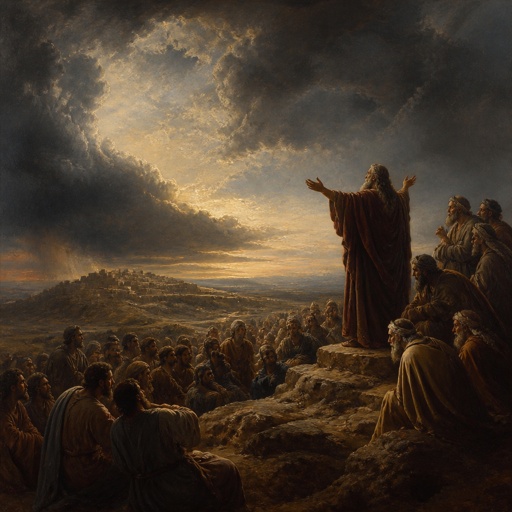
1 Samuel 8:19-22
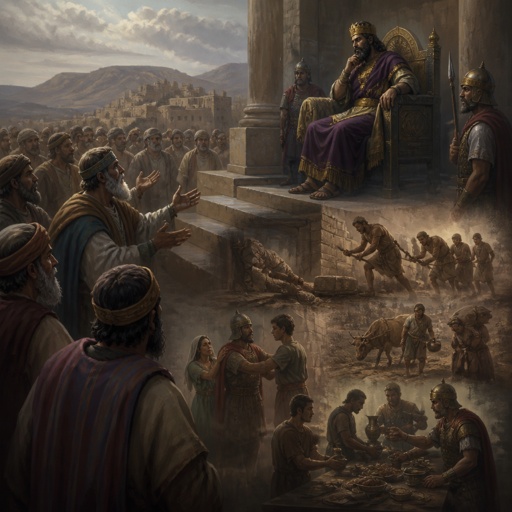
1 Samuel 8:19-22
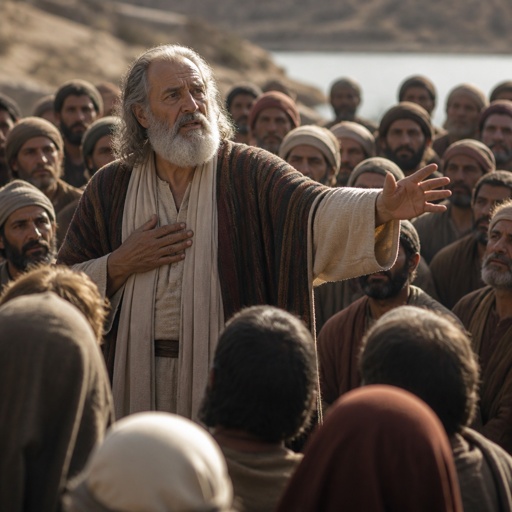
1 Samuel 12:3

1 Samuel 2:12

1 Samuel 12:13

1 Samuel 12:13

1 Samuel 22:21 - "And Abiathar shewed David that Saul had slain the LORD'S priests."

1 Samuel 12:18 - "So Samuel called unto the LORD; and the LORD sent thunder and rain that day: and all the people greatly feared the LORD and Samuel."

1 Samuel 8:22 - "And the LORD said to Samuel, Hearken unto their voice, and make them a king. And Samuel said unto the men of Israel, Go ye every man unto his city."

1 Samuel 9:22 (Brenton) 22 And Samuel took Saul and his servant, and brought them to the inn, and set them there a place among the chief of those that were called, about seventy men.

1 Samuel 4:22 - "And she said, The glory is departed from Israel: for the ark of God is taken."

1 Samuel 9:22 (KJVA) 22 And Samuel took Saul and his servant, and brought them into the parlour, and made them sit in the chiefest place among them that were bidden, which were about thirty persons.

1 Samuel 19:22 - "Then went he also to Ramah, and came to a great well that is in Sechu: and he asked and said, Where are Samuel and David? And one said, Behold, they be at Naioth in Ramah."

1 Samuel 12:6 - "¶ And Samuel said unto the people, It is the LORD that advanced Moses and Aaron, and that brought your fathers up out of the land of Egypt."

"For the LORD will not forsake his people for his great name's sake: because it hath pleased the LORD to make you his people." - 1 Samuel 12:22