Seeking God in Our Distress: A Lesson from David’s Cry
“And David said to Abiathar the priest, Ahimelech’s son, I pray thee, bring me hither the ephod. And Abiathar brought thither the ephod to David.” — 1 Samuel 30:7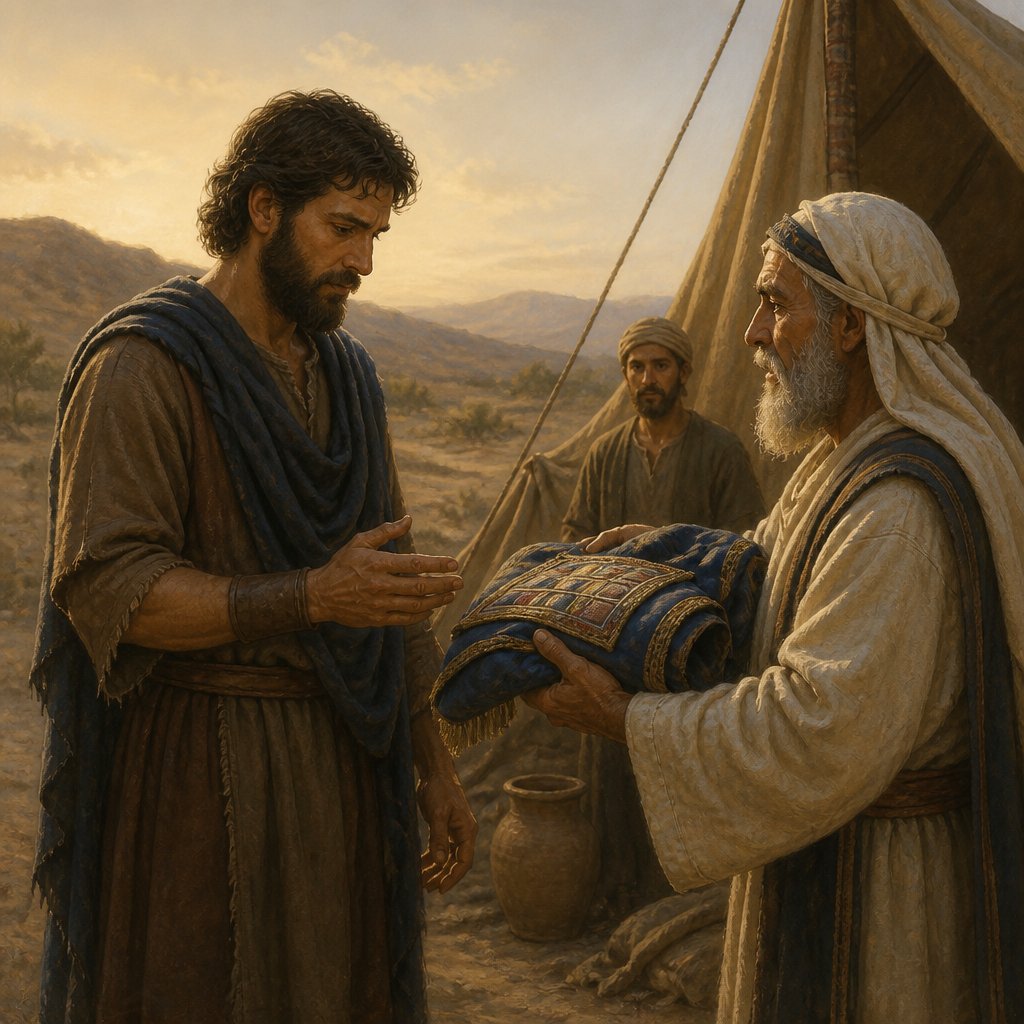
The story of David recovering from an unexpected calamity at Ziklag is one radiating with profound lessons of leadership, faith, and the importance of seeking divine guidance in moments of distress. As we reflect on 1 Samuel 30:7, where David instructs Abiathar the priest to bring him the ephod, we discover the depth of David's character, his relationship with God, and the significance of the ephod in seeking divine counsel.
**Contextual Backdrop of David's Request**
To understand the weight of this moment, we must delve into the circumstances surrounding it. Ziklag, the place where David and his men camped, had faced a harrowing attack. The Amalekites had invaded, burned the city, and carried off the wives and children of David's men—including David's own family. David’s men were distraught, overwhelmed with grief and anger, and contemplated stoning him. In this crisis, the pressure was heavy upon David’s shoulders, as he faced not just the external loss but also the internal turmoil it instigated within his ranks.
Here we see a crucial moment in David’s life—a period when he was pushed to the brink. Instead of succumbing to despair or retaliating with violence, David models an important principle for us all: the significance of turning to God in our most desperate times. In the KJV, we see David’s immediate response, amplified in 1 Samuel 30:7, "And David said to Abiathar the priest, Ahimelech's son, I pray thee, bring me hither the ephod. And Abiathar brought thither the ephod to David."
**The Ephod: A Symbol of Seeking Divine Guidance**
The ephod was a sacred garment worn by the priests, prominently featuring the Urim and Thummim—tools used for discerning God’s will. By requesting the ephod, David represents the profound act of seeking divine counsel amidst chaos. He recognized that human wisdom had its limits and human strength could waver; only God could provide clarity in the storm.
In our own lives, we often face seemingly insurmountable challenges. Whether it be personal loss, financial struggles, relational conflicts, or spiritual barrenness, it is in these moments that the invitation to seek the Lord becomes both urgent and vital. Just like David, we must prioritize our connection to God. We need to cry out, bring forth our personal “ephod” which may symbolize our prayers, the Word of God, or seeking wise counsel through trusted believers. David’s request highlights the necessity of communal support in our spiritual journey; Abiathar, the priest, represents the church and the community that God has placed in our lives to help us seek Him.
**The Model of Leadership in Seeking Guidance**
Moreover, David’s actions reveal the heart of a leader amidst crisis. A true leader does not simply press forward with their own understanding or strength but humbly seeks help and guidance. This is a powerful example for all in positions of responsibility—whether in our families, workplaces, or communities. Leadership is not devoid of struggles or uncertainties; it is how we respond to them that defines our character and our legacy. David, in his leadership role, set a precedent by turning first to God.
**Conclusion: Embracing the Call to Pray**
As we reflect further, let us consider how we can adopt David’s posture in our lives. Are we willing to humble ourselves and actively seek God’s guidance in prayer? In moments of crisis, when everything seems to be falling apart, turn your heart to the Lord. Ask Him for wisdom, clarity, and strength. God desires to speak to us, to guide us, and to provide us with the reassurance we need.
In our daily prayer life, let’s take a cue from David and bring our ephods before the Lord, praying fully and expecting His divine intervention. Just as David ultimately saw victory and restoration following his prayers, so too can we trust God to lead us through our valleys and into His promises, knowing that He is forever faithful to those who earnestly seek Him.
Get our apps


Artwork for 1 Samuel 30:7

1 Samuel 30:7 - "And David said to Abiathar the priest, Ahimelech's son, I pray thee, bring me hither the ephod. And Abiathar brought thither the ephod to David."
"And David said to Abiathar the priest, Ahimelech's son, I pray thee, bring me hither the ephod. And Abiathar brought thither the ephod to David." - 1 Samuel 30:7

1.samuel 15:30

1 Samuel 30:18

1.samuel 15:30

1 Samuel 30:30 - "And to them which were in Hormah, and to them which were in Chorashan, and to them which were in Athach,"
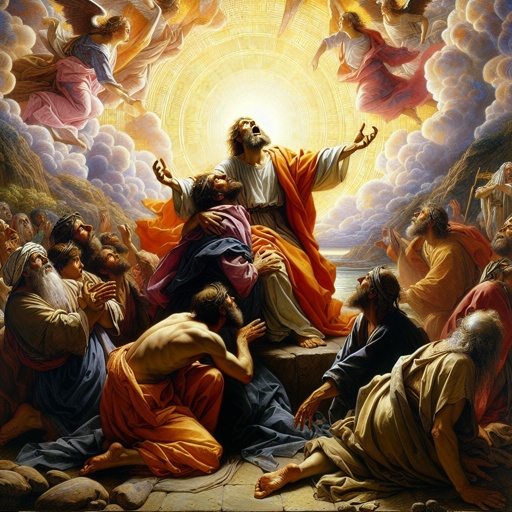
1 Samuel 20:27-30

1 Samuel 7:15 - "And Samuel judged Israel all the days of his life."

1 Samuel 30:25 - "And it was so from that day forward, that he made it a statute and an ordinance for Israel unto this day."

1 Samuel 30:28 - "And to them which were in Aroer, and to them which were in Siphmoth, and to them which were in Eshtemoa,"

1 Samuel 30:18 - "And David recovered all that the Amalekites had carried away: and David rescued his two wives."

1 Samuel 30:5 - "And David's two wives were taken captives, Ahinoam the Jezreelitess, and Abigail the wife of Nabal the Carmelite."

2 Samuel 7:1–29

1 Samuel 30:4 - "Then David and the people that were with him lifted up their voice and wept, until they had no more power to weep."

1 Samuel 14:7

1 Samuel 28:7

1 Samuel 8:7

1 Chronicles 7:30 - "The sons of Asher; Imnah, and Isuah, and Ishuai, and Beriah, and Serah their sister."

1 Samuel 7:5 - "And Samuel said, Gather all Israel to Mizpeh, and I will pray for you unto the LORD."

1 Samuel 30:29 - "And to them which were in Rachal, and to them which were in the cities of the Jerahmeelites, and to them which were in the cities of the Kenites,"

1 Samuel 30:31 - "And to them which were in Hebron, and to all the places where David himself and his men were wont to haunt."

2 samuel 9:7 fhdhdhdhhd

1 Samuel 30:27 - "To them which were in Beth-el, and to them which were in south Ramoth, and to them which were in Jattir,"

1 Samuel 30:20 - "And David took all the flocks and the herds, which they drave before those other cattle, and said, This is David's spoil."

1 Corinthians 7:30 - "And they that weep, as though they wept not; and they that rejoice, as though they rejoiced not; and they that buy, as though they possessed not;"

1 Samuel 30:1 - "And it came to pass, when David and his men were come to Ziklag on the third day, that the Amalekites had invaded the south, and Ziklag, and smitten Ziklag, and burned it with fire;"

1 Samuel 30:3 - "¶ So David and his men came to the city, and, behold, it was burned with fire; and their wives, and their sons, and their daughters, were taken captives."

1 Samuel 7:9 - "¶ And Samuel took a sucking lamb, and offered it for a burnt offering wholly unto the LORD: and Samuel cried unto the LORD for Israel; and the LORD heard him."
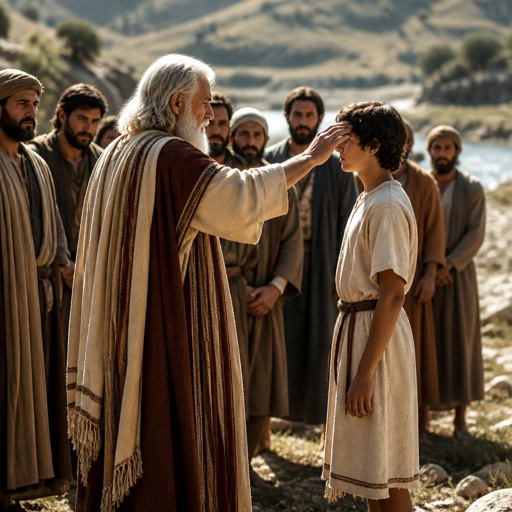
1 Samuel 16:6-7
1 Samuel 8:7-9