Echoes of Despair: Lessons from the Fall of Saul
“And when the men of Israel that were on the other side of the valley, and they that were on the other side Jordan, saw that the men of Israel fled, and that Saul and his sons were dead, they forsook the cities, and fled; and the Philistines came and dwelt in them.” — 1 Samuel 31:7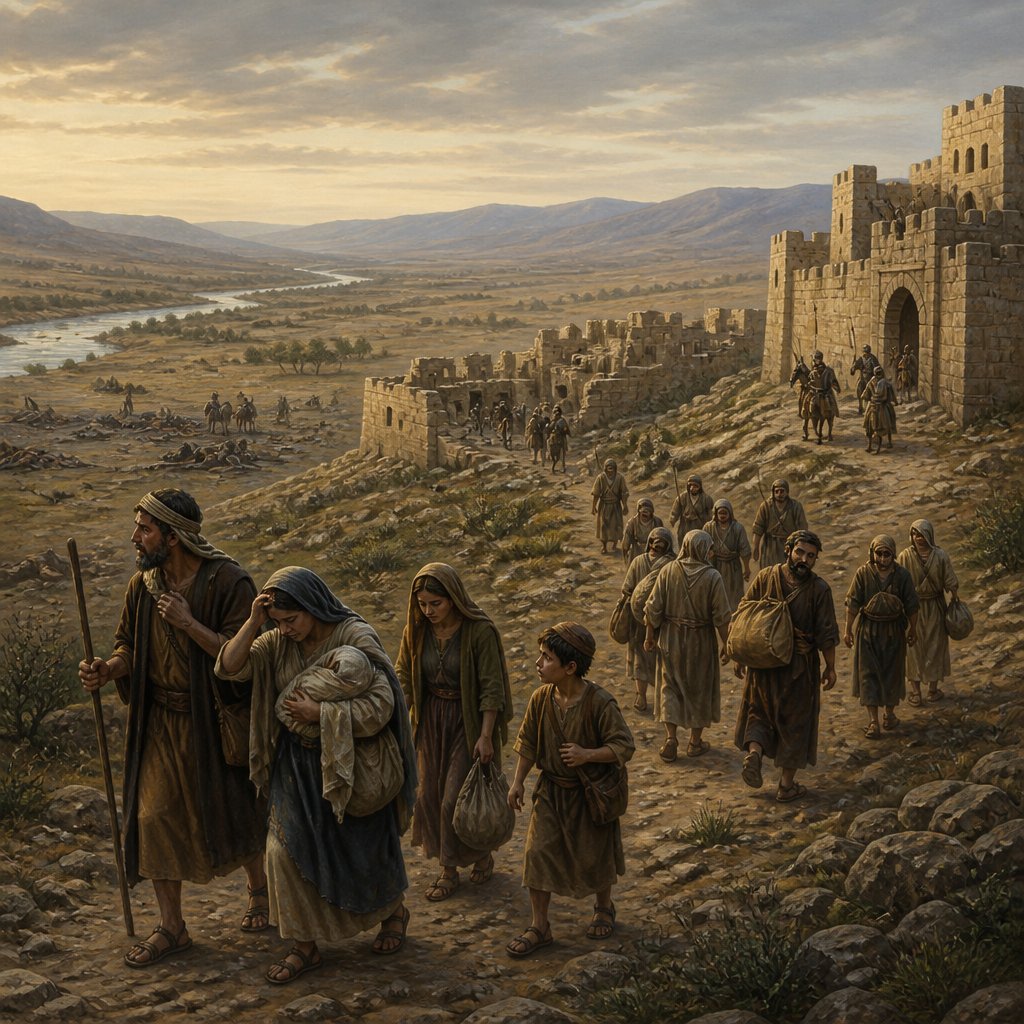
In 1 Samuel 31:7, we read the somber ending of a tragic tale, framed by a poignant reality of human struggle and divine sovereignty. The verse states: "And when the men of Israel that were on the other side of the valley, and they that were on the other side Jordan, saw that the men of Israel fled, and that Saul and his sons were dead, they forsook the cities, and fled; and the Philistines came and dwelt in them." This account reflects not only the devastation of battle but also a profound turning point in Israel's history, marked by fear, loss, and the flight of hope.
The context of this verse is critical. King Saul, the first monarch of Israel, had fought bravely against the invaders from Philistia, yet he found himself abandoned by both his troops and, tragically, by God. The culmination of Saul's disobedience and the rejection of God's commands led to his downfall on Mount Gilboa, where he and his sons met their end. The tension is palpable; as news of Saul's death rippled through the ranks of the Israelites, it struck a fatal blow to their morale. Fear spread like wildfire across the land, leading to a mass exodus from cities and fortifications that had once been symbols of Israel's strength.
This pivotal moment serves as a reminder of the fragility of human leadership and the perils of turning from God. Saul's years of disobedience and self-reliance not only cost him his life but also shattered the spirits of those he led. The soldiers who had once rallied around him were now witnessing the grim consequences of their king's failure, resulting in their own retreat. The visible fear of the men of Israel is reflective of a deeper spiritual crisis; their reliance on earthly powers and fallible leaders had left them vulnerable to the overwhelming strength of their enemies. When they saw that Saul, the very embodiment of Israelite leadership, was defeated, their hope faded, leading them to abandon their cities to the very Philistines who sought to supplant them.
In this narrative, we encounter the sobering truth that leaders bear great responsibility, and their choices have far-reaching consequences. Saul's departure from divine guidance caused a ripple effect, impacting not just his family, but an entire nation. In our own lives, we are called to be leaders—whether it be within our families, communities, or workplaces—and the choices we make reverberate through those we influence.
Moreover, this passage beckons us to reflect on the nature of hope. In the face of despair, retreating (even fleeing) may seem like the only course of action. However, this flight is marked by neglect—neglect of the promises of God and the hope that He extends to us through His Word. Though Saul's story ended in tragedy, God still had a plan. David, a man after God's own heart, was destined to rise in his place. Even amidst the rubble of defeat, God's sovereign hand was already at work shaping a new beginning.
As we contemplate this verse, let us not simply see the fall of Saul, but also the opportunities following failures. In moments of despair, when it feels as if all is lost, we must remember that God is always on the move, preparing the next chapter of our lives. Instead of fleeing, we are invited to stand firm and trust in His renewal. The forsaking of cities may mirror our moments of retreat, abandonment, or fear, but we must be careful not to forsake our faith and the cities of hope that God has established within us.
In closing, let us seek God’s forgiveness for our failures and the times we have leaned on our own understanding. Set your heart on remaining steadfast in faith, and invite God to rebuild what has been lost, for in His timing, the ashes will burst forth into something beautiful—a new story, crafted by His hand.
Get our apps


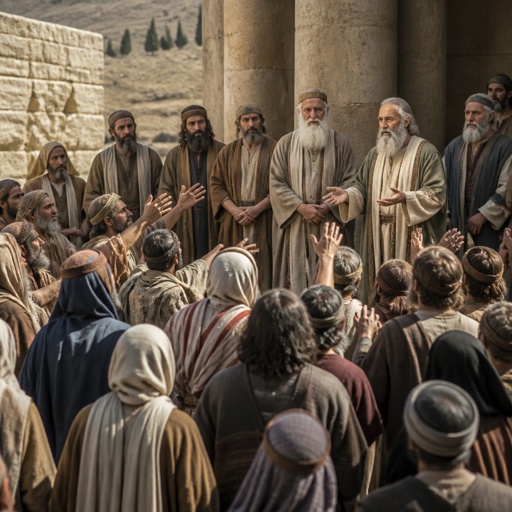
Artwork for 1 Samuel 31:7

1 Samuel 31:7 - "¶ And when the men of Israel that were on the other side of the valley, and they that were on the other side Jordan, saw that the men of Israel fled, and that Saul and his sons were dead, they forsook the cities, and fled; and the Philistines came and dwelt in them."
"¶ And when the men of Israel that were on the other side of the valley, and they that were on the other side Jordan, saw that the men of Israel fled, and that Saul and his sons were dead, they forsook the cities, and fled; and the Philistines came and dwelt in them." - 1 Samuel 31:7
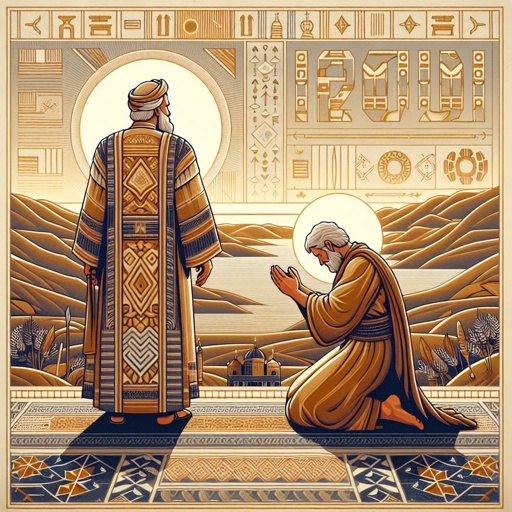
1 Samuel 15:31 - "So Samuel turned again after Saul; and Saul worshipped the LORD."

1 Samuel 31:11 - "¶ And when the inhabitants of Jabesh-gilead heard of that which the Philistines had done to Saul;"

1 Samuel 31:6 - "So Saul died, and his three sons, and his armourbearer, and all his men, that same day together."

1 Samuel 14:31 - "And they smote the Philistines that day from Michmash to Aijalon: and the people were very faint."

1 Samuel 31:13 - "And they took their bones, and buried them under a tree at Jabesh, and fasted seven days."

1 Samuel 31:3 - "And the battle went sore against Saul, and the archers hit him; and he was sore wounded of the archers."

1 Samuel 31:10 - "And they put his armour in the house of Ashtaroth: and they fastened his body to the wall of Beth-shan."

"So Samuel turned again after Saul; and Saul worshipped the LORD." - 1 Samuel 15:31

1 Samuel 7:15 - "And Samuel judged Israel all the days of his life."

1 Samuel 31:1 - "Now the Philistines fought against Israel: and the men of Israel fled from before the Philistines, and fell down slain in mount Gilboa."

1 Corinthians 7:31 - "And they that use this world, as not abusing it: for the fashion of this world passeth away."

1 Chronicles 7:31 - "And the sons of Beriah; Heber, and Malchiel, who is the father of Birzavith."

1 Samuel 31:5 - "And when his armourbearer saw that Saul was dead, he fell likewise upon his sword, and died with him."

1 Samuel 17:31 - "And when the words were heard which David spake, they rehearsed them before Saul: and he sent for him."

2 Samuel 7:1–29

1 Samuel 14:7

1 Samuel 28:7

1 Samuel 8:7

1 Samuel 30:31 - "And to them which were in Hebron, and to all the places where David himself and his men were wont to haunt."

1 Samuel 3:1

1 Samuel 3:1

1 Samuel 31:8 - "And it came to pass on the morrow, when the Philistines came to strip the slain, that they found Saul and his three sons fallen in mount Gilboa."

1 Samuel 31:2 - "And the Philistines followed hard upon Saul and upon his sons; and the Philistines slew Jonathan, and Abinadab, and Malchi-shua, Saul's sons."

1 Samuel 7:5 - "And Samuel said, Gather all Israel to Mizpeh, and I will pray for you unto the LORD."

2 samuel 9:7 fhdhdhdhhd

1 Samuel 7:9 - "¶ And Samuel took a sucking lamb, and offered it for a burnt offering wholly unto the LORD: and Samuel cried unto the LORD for Israel; and the LORD heard him."
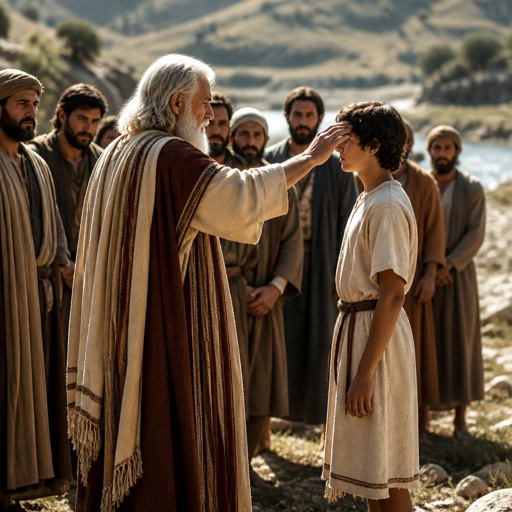
1 Samuel 16:6-7
1 Samuel 8:7-9