The Joy of His Presence: A Harvest Celebration
“And they of Beth-shemesh were reaping their wheat harvest in the valley: and they lifted up their eyes, and saw the ark, and rejoiced to see it.” — 1 Samuel 6:13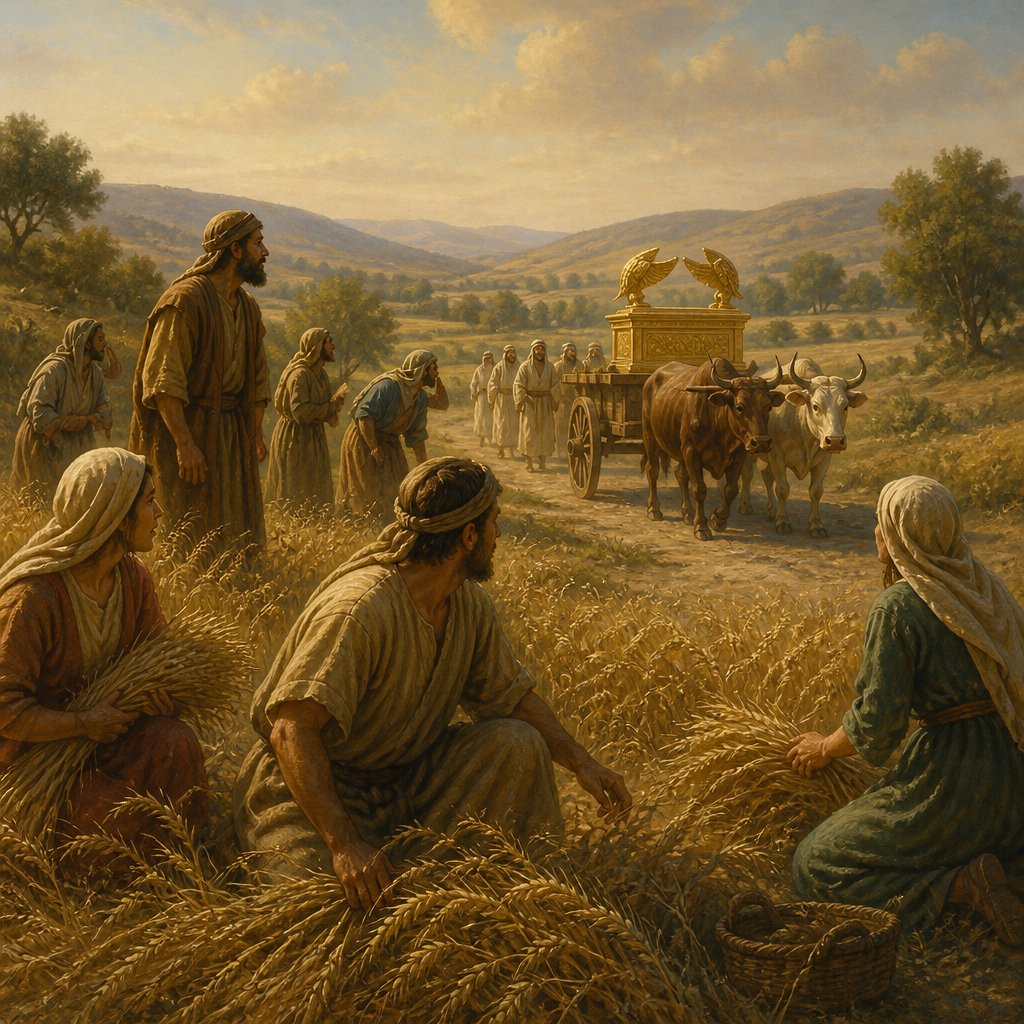
In the rhythm of life, there are moments that surprise us — unexpected joys that awaken our spirits. One such moment unfolds in 1 Samuel 6:13, where we find the inhabitants of Beth-shemesh as they engage in the practical work of reaping their wheat harvest. In this familiar context of labor, an extraordinary sight captures their attention: "And they of Beth-shemesh were reaping their wheat harvest in the valley: and they lifted up their eyes, and saw the ark, and rejoiced to see it."
The Ark of the Covenant was not just a physical object; it was the very symbol of God's presence among His people. For the Israelites, the Ark represented God's promises, His guidance, and His protection. Thus, the sighting of the Ark after it had been absent due to years of Philistine captivity was not merely a casual occurrence; it marked a divine visitation. Imagine the collective gasp of astonishment among the harvesters as they looked up from their toil and laid their eyes upon the Ark — a sight laden with the weight of their spiritual heritage.
There is a profound lesson nestled within this moment of revelation. Often, we become so engrossed in the day-to-day activities of life, buried in our responsibilities and routines, that we overlook the sacredness around us. The people of Beth-shemesh were engaged in a significant season of harvest — a season of abundance. However, their attention was divided. They were likely weary from the toil of the fields, their hands dusted with the soil of their labor, yet the moment they turned their eyes upwards, they met holiness. How often do we miss the divine in our mundane? How often do we forget to glance upward, to seek God's presence amidst our struggles or busyness?
The act of lifting their eyes signifies a shift in focus. It calls us to remember that our victories, represented by our wheat harvest, are inseparable from the source of our joy, which is God's enduring presence. In our lives, amidst the challenges and labor, we must routinely lift our eyes to observe the signs of God’s activity, His blessings, and His faithfulness. The act of rejoicing didn’t stem solely from the sight of the Ark but rather from the realization of what it represented — the God who has not forgotten His people.
As the people rejoiced to see the Ark, their hearts swelled with jubilation, filled with gratitude and awe. They were reminded that in their ordinary lives, they were not alone. God had returned to dwell among them, restoring hope and instilling joy. This implies that even in the season of harvest, our deepest joy is not just found in the abundance of our labor but in the presence of the One who provides that abundance.
Moving deeper into the narrative, it is essential to reflect on what it means for us to genuinely rejoice in God’s presence today. Do we allow our works, pursuits, and ambitions to overshadow the invitation to experience God in our lives? Are we waiting for the big, monumental miracles to praise Him, or can we, like the people of Beth-shemesh, lift our eyes even in the small, seemingly insignificant moments?
As we draw close to God in gratitude, let us cultivate a heart posture that recognizes His goodness throughout our daily activities. May we be ever vigilant to rejoice not just in arrival but in the journey, not merely in abundance but in His presence that sustains us. Let us find our joy not just in the harvest we reap but in the divine companionship we experience through every season of life.
In closing, let us remember that our lives, much like the fields of Beth-shemesh, are ripe with potential for an outpouring of joy when we encounter our God. Let’s commit to lifting our eyes, rejoicing in His presence, and celebrating every evidence of His faithfulness and love.
Get our apps


Artwork for 1 Samuel 6:13

1 Samuel 6:13 - "And they of Beth-shemesh were reaping their wheat harvest in the valley: and they lifted up their eyes, and saw the ark, and rejoiced to see it."
"And they of Beth-shemesh were reaping their wheat harvest in the valley: and they lifted up their eyes, and saw the ark, and rejoiced to see it." - 1 Samuel 6:13

1 Samuel 13:6 - "When the men of Israel saw that they were in a strait, (for the people were distressed,) then the people did hide themselves in caves, and in thickets, and in rocks, and in high places, and in pits."
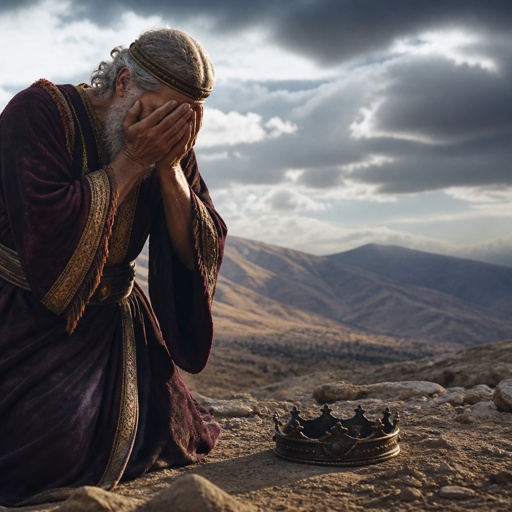
1 Samuel 13:13-14

2 Samuel 6:13 - "And it was so, that when they that bare the ark of the LORD had gone six paces, he sacrificed oxen and fatlings."

2 Samuel 6:13 - "And it was so, that when they that bare the ark of the LORD had gone six paces, he sacrificed oxen and fatlings."

2 Samuel 6:13 - "And it was so, that when they that bare the ark of the LORD had gone six paces, he sacrificed oxen and fatlings."

1 Samuel 16:1–13

1 Samuel 14:6
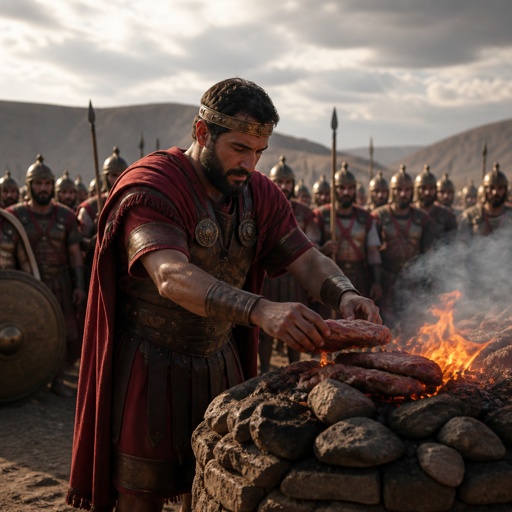
1 Samuel 13:11

1 Samuel 12:13
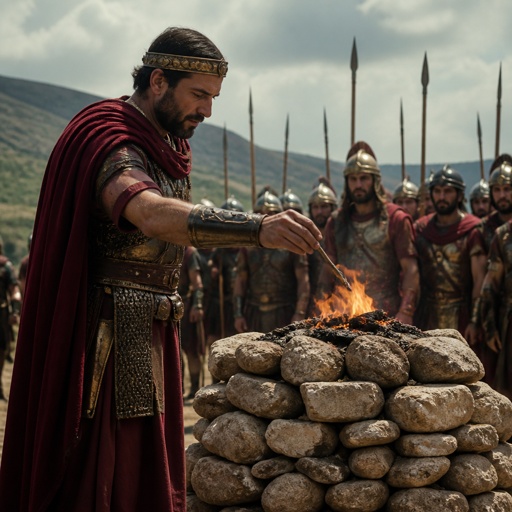
1 Samuel 13:3
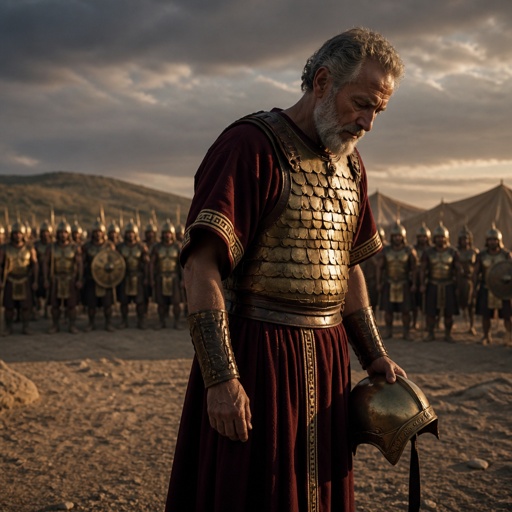
1 Samuel 13:14

1 Samuel 12:13

1 Samuel 8:6 - "¶ But the thing displeased Samuel, when they said, Give us a king to judge us. And Samuel prayed unto the LORD."

1 Samuel 6:1 - "And the ark of the LORD was in the country of the Philistines seven months."

2 Samuel 6:14

1 Samuel 22:11-13

1 Samuel 15:13 - "And Samuel came to Saul: and Saul said unto him, Blessed be thou of the LORD: I have performed the commandment of the LORD."

1 Samuel 13:8 - "¶ And he tarried seven days, according to the set time that Samuel had appointed: but Samuel came not to Gilgal; and the people were scattered from him."

1 Corinthians 13:4-6

1 Corinthians 13:4-6

1 Corinthians 13:4-6

1 Corinthians 13:4-6

1 Corinthians 13:4-6

1 Corinthians 13:4-6

1 Corinthians 13:4-6

1 Corinthians 13:4-6

1 Samuel 13:23 - "And the garrison of the Philistines went out to the passage of Michmash."

1 Samuel 13:1 - "Saul reigned one year; and when he had reigned two years over Israel,"