In Whose Image? The Divine Order of Creation
“For Adam was first formed, then Eve.” — 1 Timothy 2:13
In 1 Timothy 2:13, the Apostle Paul writes, "For Adam was first formed, then Eve." This simple yet profound verse opens up a wealth of spiritual understanding regarding God’s design for creation and the roles intended for men and women. To appreciate the depth of this statement, we must consider not just the physical and chronological order of creation, but also the spiritual implications of God's perfect design.
When we read the creation story in Genesis, we discover a deliberate sequence: God first created Adam, forming him from the dust of the ground, and then He breathed into his nostrils the breath of life (Genesis 2:7). This act imparted not just physical existence, but the very essence of life to Adam. It was from Adam that God fashioned Eve, using one of Adam's ribs to emphasize their essential unity and the deep connection between man and woman (Genesis 2:21-22). This laying out of sequence tells us something crucial about God's intended order, weaving a narrative of purpose throughout the scriptures.
The significance of Adam’s primacy is not merely about chronology; it reflects a divine order established by God. Paul, in his letter to Timothy, is addressing concerns about teaching roles in the church, reminding us that there is an inherent order in creation that mirrors the order in the church. However, one must tread lightly here, for understanding this order is not meant to diminish the value or the capability of women. Rather, it highlights a beautiful design where both genders have unique, complementary roles that reflect the character of God Himself.
In God’s image, man and woman were created to fulfill different yet equally significant purposes. The creation of Eve was not a response to a deficiency in Adam, but rather a demonstration of partnership and mutual support. In Eve’s creation, we see the beauty of community and the intention of God for humans to live relationally. Thus, recognizing Adam as first formed signifies a framework through which we can understand how God longs for harmony in relationships, whether within the confines of marriage, family, or church.
Furthermore, this order suggests that God has given authority and responsibilities in specific spheres—so much so that in the church, men are called to lead, not because of superiority, but to fulfill divine roles. This leads us to reflect upon our attitudes toward authority, both in our homes and churches. Do we respect and honor the roles given to us, or do we struggle against them, failing to appreciate the divine design?
As we delve deeper into this verse, we also encounter the qualities that God instilled within Adam and Eve. Genesis shows that Adam was called to cultivate and keep the garden (Genesis 2:15), a role of stewardship requiring strength, diligence, and responsibility. Eve, on the other hand, was meant to be a helper fit for Adam, suggesting an empowerment to aid, encourage, and enhance his endeavors toward fulfilling God’s command to be fruitful and multiply (Genesis 1:28). Their roles are not in competition but in collaboration—encouraging us to serve one another in our various roles today.
In light of this scriptural truth, let us cultivate a heart of gratitude for the distinctions God has made in creation. As we acknowledge that "For Adam was first formed, then Eve," we can embrace our God-given roles with humility and reverence. This verse invites us to reflect upon our own identities: Are we nurturing the gifts, strengths, and roles that God has given us? Are we honoring others in their unique callings?
May we earnestly seek to live out our divine purpose in community, recognizing the intricate way God has woven us together. As we embark on this journey, let us always remember that the ultimate aim of our roles is to reflect God’s glory through our lives, bearing witness to the beauty and order of the Creator’s design.
Get our apps


Artwork for 1 Timothy 2:13

1 Timothy 2:13 - "For Adam was first formed, then Eve."

"For Adam was first formed, then Eve." - 1 Timothy 2:13

1 Timothy 2:8

2 Timothy 1:13 - "Hold fast the form of sound words, which thou hast heard of me, in faith and love which is in Christ Jesus."

1 Timothy 2:1-7

1 Timothy 2:1-7

2 Timothy 2:13 - "If we believe not, yet he abideth faithful: he cannot deny himself."

2 Timothy 2:22

2 Timothy 2:15

2 Timothy 1:2 - "To Timothy, my dearly beloved son: Grace, mercy, and peace, from God the Father and Christ Jesus our Lord."

1 Timothy 4:13 - "Till I come, give attendance to reading, to exhortation, to doctrine."

2 Timothy 3:13 - "But evil men and seducers shall wax worse and worse, deceiving, and being deceived."

1 Timothy 1:2 - "Unto Timothy, my own son in the faith: Grace, mercy, and peace, from God our Father and Jesus Christ our Lord."
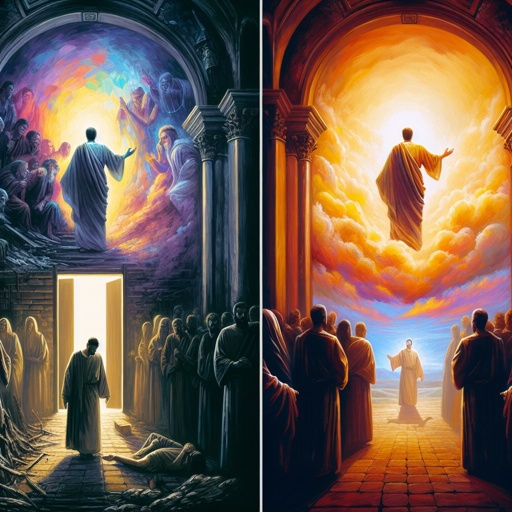
1 Timothy 1:13 - "Who was before a blasphemer, and a persecutor, and injurious: but I obtained mercy, because I did it ignorantly in unbelief."

1 Timothy 2:10 - "But (which becometh women professing godliness) with good works."

2 Timothy 1:7

2 Timothy 1:7

2 Timothy 1:7

2 Timothy 1:7

2 Timothy 1:7

2 Timothy 1:7

2 Timothy 1:7

2 Timothy 1:7

2 Timothy 1:7

2 Timothy 1:7

2 Timothy 1:7

2 Timothy 1:7

2 Timothy 1:7

2 Timothy 1:7

2 Timothy 1:7