Saved in Childbearing: Embracing the Divine Calling of Motherhood
“Notwithstanding she shall be saved in childbearing, if they continue in faith and charity and holiness with sobriety.” — 1 Timothy 2:15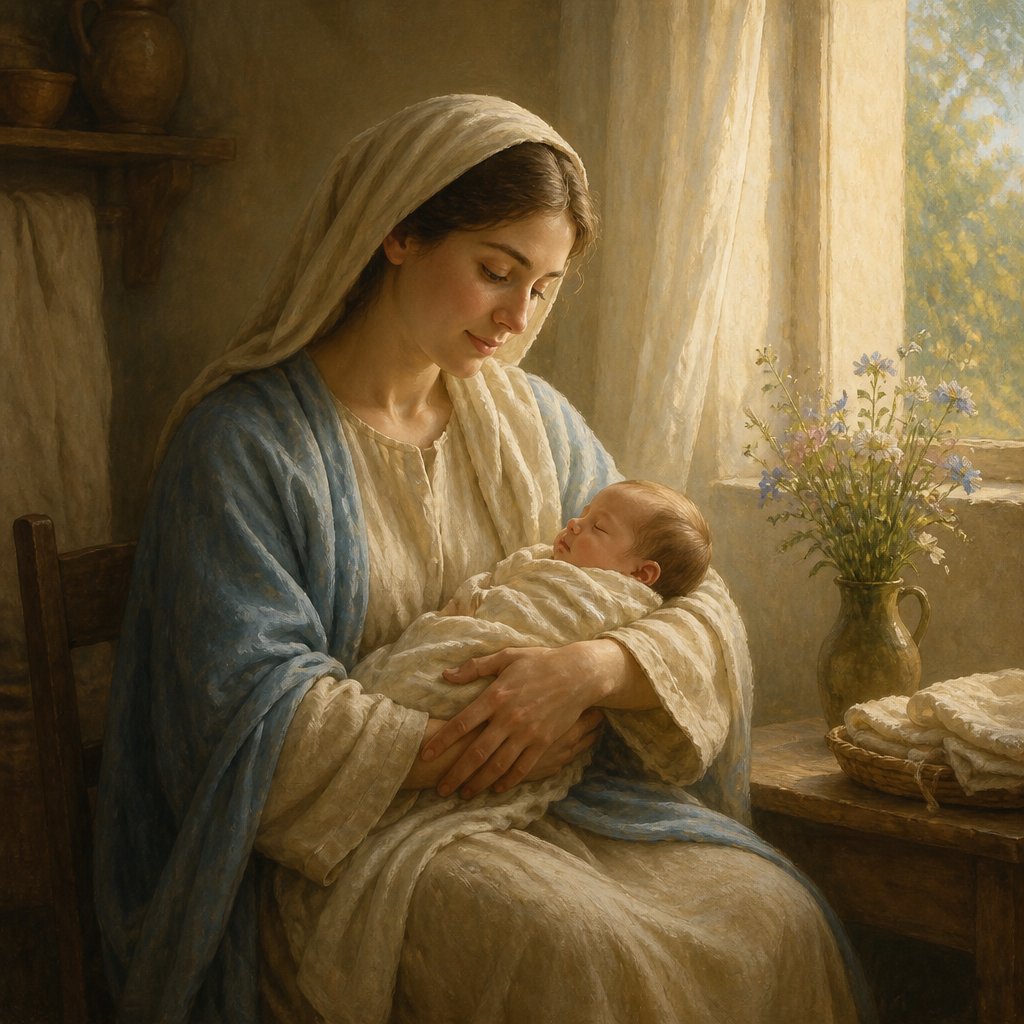
The verse 1 Timothy 2:15 reads, "Notwithstanding she shall be saved in childbearing, if they continue in faith and charity and holiness with sobriety." At first glance, this passage may cause a surge of questions and reflections regarding the role of women, motherhood, and the essence of salvation in the Christian faith. However, when viewed through the lens of God's design and purpose, this verse encapsulates profound truths that can enrich our understanding of faith, motherhood, and the sanctity of life.
To unpack the meaning of this verse, we must contextualize it within the greater message of the scripture. Paul, in his letter to Timothy, addresses the church in Ephesus amidst a culture rife with confusion regarding gender roles, spirituality, and societal expectations. In this context, Paul emphasizes the value and dignity of women, especially concerning their unique contributions to the family and the church through motherhood.
The phrase "she shall be saved in childbearing" points towards the significance of motherhood as both a divine calling and a means through which women can experience fullness in their faith. It highlights the idea that women are not defined solely by their childbearing capabilities but that motherhood is regarded as a crucially important task in God’s coherent design for humanity. In a world where the gift of motherhood can sometimes be undervalued, Paul’s words honor the role of women as bearers of life and nurturers of faith.
Moreover, the implication of being "saved in childbearing" does not refer to a salvific action in the traditional sense, as salvation is through grace by faith (Ephesians 2:8-9). Rather, it paints a picture of hope and purpose, suggesting that through fulfilling the role of a mother, women can experience a spiritual restoration and fulfillment, especially when they uphold faith, charity, holiness, and sobriety. The latter part of the verse underscores that these qualities should be the foundation upon which motherhood stands.
Faith brings a sense of reliance upon God’s promises; it’s an invitation to trust Him even when circumstances feel overwhelming. Charity, often interpreted as love, embodies the very essence of God’s nature, giving us the ability to nurture our children in a way that reflects His love. Holiness calls us to set apart our lives for His glory, while sobriety reminds us of the importance of being wise and vigilant in our actions and decisions. Together, these virtues provide a framework in which both motherhood and faith can thrive.
As we consider the challenges of motherhood today—from the pressures of societal standards to the emotional and physical demands of raising children—we are reminded of the strength that comes from faith. It encourages mothers to pour their hearts into raising children with love and care, while also nurturing their spirituality. The challenges may ebb and flow, but by continuing in faith, practicing charity, pursuing holiness, and maintaining sobriety, women can find joy even amid hardships.
Let us also reflect on the essential truth that children are a blessing (Psalm 127:3) and that motherhood is a partnership with God in the incredible journey of raising the next generation. It requires profound courage, unwavering faith, and an openness to the transformative work of the Holy Spirit, not only in our children but also in ourselves.
In conclusion, 1 Timothy 2:15 invites us to appreciate the divine intricacies of motherhood and the sanctity of life. It encourages us to embrace this calling with all its joys and challenges, rooted firmly in our faith and commitment to uphold the virtues that reflect the heart of God. As we endeavor to embody these characteristics, we not only cultivate a nurturing environment for our children but also fulfill our part in God’s divine narrative, allowing His grace to pour through us into the lives we touch.
Get our apps


Artwork for 1 Timothy 2:15

1 Timothy 2:15 - "Notwithstanding she shall be saved in childbearing, if they continue in faith and charity and holiness with sobriety."

"Notwithstanding she shall be saved in childbearing, if they continue in faith and charity and holiness with sobriety." - 1 Timothy 2:15

2 Timothy 2:15

2 Timothy 1:15 - "This thou knowest, that all they which are in Asia be turned away from me; of whom are Phygellus and Hermogenes."

1 Timothy 4:15

1 Timothy 2:8

1 Timothy 3:15

1 Timothy 2:1-7

1 Timothy 2:1-7

1 Timothy 5:15 - "For some are already turned aside after Satan."

2 Timothy 2:22

2 Timothy 2:15 - "Study to shew thyself approved unto God, a workman that needeth not to be ashamed, rightly dividing the word of truth."

1 Timothy 6:15-16 – "God, the blessed and only Ruler, the King of kings and Lord of lords."

2 Timothy 1:2 - "To Timothy, my dearly beloved son: Grace, mercy, and peace, from God the Father and Christ Jesus our Lord."

2 Timothy 4:15 - "Of whom be thou ware also; for he hath greatly withstood our words."

1 Timothy 6:15-16 – "God, the blessed and only Ruler, the King of kings and Lord of lords."

1 Timothy 6:15-16 – "God, the blessed and only Ruler, the King of kings and Lord of lords."

1 Timothy 6:15-16 – "God, the blessed and only Ruler, the King of kings and Lord of lords."

1 Timothy 1:5

1 Timothy 6:15-16 – "God, the blessed and only Ruler, the King of kings and Lord of lords."

1 Timothy 2:13 - "For Adam was first formed, then Eve."

1 Timothy 1:2 - "Unto Timothy, my own son in the faith: Grace, mercy, and peace, from God our Father and Jesus Christ our Lord."

1 Timothy 2:10 - "But (which becometh women professing godliness) with good works."

2 Timothy 1:7

2 Timothy 1:7

2 Timothy 1:7

2 Timothy 1:7

2 Timothy 1:7

2 Timothy 1:7

2 Timothy 1:7