The Pursuit of Divine Wisdom: A Heart to Serve
“Give me now wisdom and knowledge, that I may go out and come in before this people: for who can judge this thy people, that is so great?” — 2 Chronicles 1:10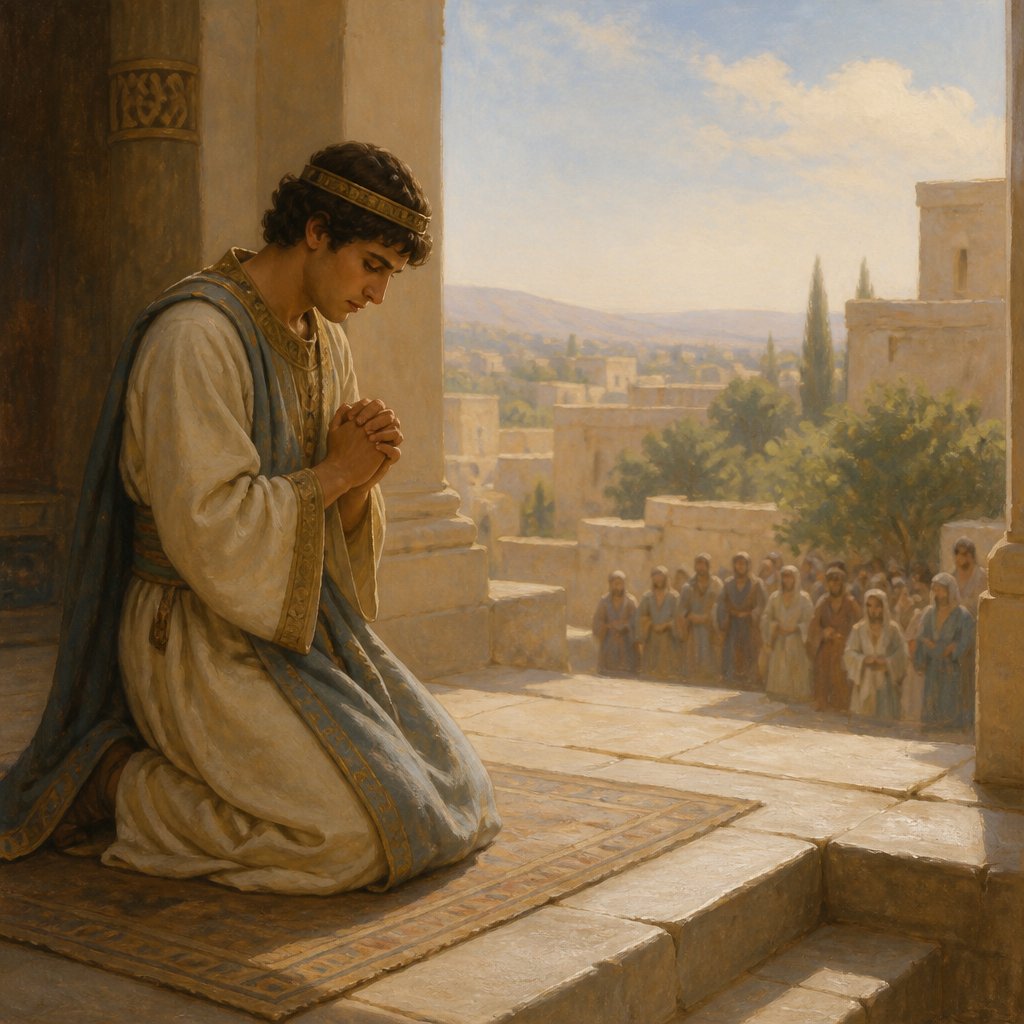
As we approach the profound request made by Solomon in 2 Chronicles 1:10, it is essential to reflect deeply on the significance of his words. In the King James Version, the verse reads: "Give me now wisdom and knowledge, that I may go out and come in before this people: for who can judge this thy people, that is so great?" This plea encapsulates the core of our journey as believers and leaders in any capacity in our lives.
When Solomon, the son of David, ascended the throne of Israel, he found himself in a position filled with daunting responsibilities. The people he was to govern were not just a mere collection of individuals; they were a significant nation with a rich heritage and a unique calling from God. Faced with this immense task, he understood immediately that earthly knowledge and human strategies alone would not suffice to lead such a people.
In our own lives, how often do we rely on our abilities or intellect to navigate through challenges? Solomon’s request challenges us to reconsider our approach. His address to God involves two vital components: wisdom and knowledge. While the two terms are often used interchangeably in today’s society, the scriptures differentiate them profoundly.
Knowledge refers to the accumulation of facts, information, and skills acquired through experience or education. It is essential, yet, by itself, it is limited. Wisdom, on the other hand, is the ability to apply that knowledge effectively and righteously; it is inherently tied to discernment and insight. Solomon sought something much deeper than mere academic understanding. He asked for the divine ability to discern God’s will and to administer justice in a way that honors Him and benefits the people.
Moreover, Solomon’s request emphasizes the importance of serving others through the knowledge and wisdom that God provides. He points out that he is leading a great people, a vast nation, and he recognizes that it is not about him—it is about his role in fulfilling God’s purpose for the people of Israel. His humble recognition that he cannot do it alone illustrates a heart posture of servitude and dependency on God.
This leads us to the essence of leadership in the Christian faith. God elevates those who come before Him with a humble heart, acknowledging their need for His guidance. When we seek God's wisdom and knowledge, we open ourselves to His transformative power in our lives. As James 1:5 (KJV) instructs, "If any of you lack wisdom, let him ask of God, that giveth to all men liberally, and upbraideth not; and it shall be given him." Solomon exemplifies this very principle, asking God for what he lacked, which is a model for us to emulate.
Another striking aspect of Solomon’s prayer is his motivation: he wishes to go out and come in before the people. This phrase is a Jewish idiom referencing daily interactions and responsibilities. His desire for wisdom signifies a commitment to engage with the people authentically, guiding them in their day-to-day life.
In our pursuit of wisdom, we should evaluate our motives. Do we wish to accumulate knowledge to elevate ourselves, or do we seek insight to humbly serve and uplift those around us? The difference between biblical wisdom and worldly knowledge lies in its application—doing justice, loving kindness, and walking humbly with our God as Micah 6:8 instructs.
Today, let us reflect on our own lives. Are we navigating our responsibilities relying on our knowledge? Or are we daily seeking God’s wisdom to lead effectively? Let us ask God for wisdom that not only leads us to make the right decisions but also cultivates the heart of a servant.
In conclusion, Solomon’s request in 2 Chronicles 1:10 beckons us not only to seek knowledge and wisdom for our benefit but to recognize the higher purpose of leading and serving others with grace and compassion. May we consistently come before God, asking for the divine wisdom that enables us to go out and come in—to live our lives in a manner that reflects His love, righteousness, and mercy toward all.
Amen.
Get our apps


Artwork for 2 Chronicles 1:10

2 Chronicles 1:10 - "Give me now wisdom and knowledge, that I may go out and come in before this people: for who can judge this thy people, that is so great?"
"Give me now wisdom and knowledge, that I may go out and come in before this people: for who can judge this thy people, that is so great?" - 2 Chronicles 1:10

1 Chronicles 2:10 - "And Ram begat Amminadab; and Amminadab begat Nahshon, prince of the children of Judah;"

2 Chronicles 10:1 - "And Rehoboam went to Shechem: for to Shechem were all Israel come to make him king."

1 Chronicles 1:10 - "And Cush begat Nimrod: he began to be mighty upon the earth."

1 Chronicles 10:2 - "And the Philistines followed hard after Saul, and after his sons; and the Philistines slew Jonathan, and Abinadab, and Malchi-shua, the sons of Saul."

2 Chronicles 23:10

2 Chronicles 23:10

2 Chronicles 30:10

2 Chronicles 35:10

1 Chronicles 4 : 10
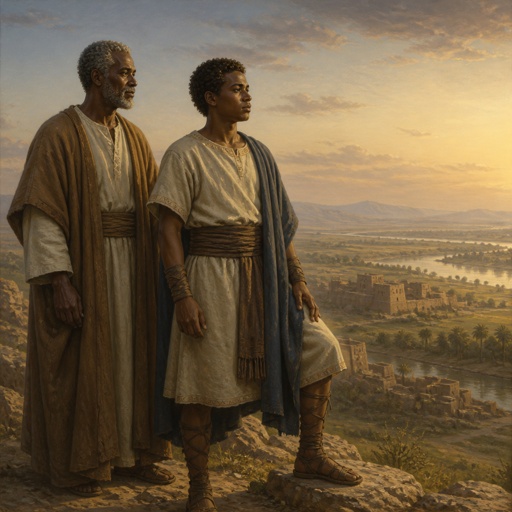
"And Cush begat Nimrod: he began to be mighty upon the earth." - 1 Chronicles 1:10

1 Chronicles 10:10 - "And they put his armour in the house of their gods, and fastened his head in the temple of Dagon."

1 Chronicles 9:10 - "¶ And of the priests; Jedaiah, and Jehoiarib, and Jachin,"

"And Ram begat Amminadab; and Amminadab begat Nahshon, prince of the children of Judah;" - 1 Chronicles 2:10

1 Chronicles 12:10 - "Mishmannah the fourth, Jeremiah the fifth,"

1 Chronicles 24:10 - "The seventh to Hakkoz, the eighth to Abijah,"

2 Chronicles 10:19 - "And Israel rebelled against the house of David unto this day."

2 Chronicles 33:10 - "And the LORD spake to Manasseh, and to his people: but they would not hearken."

2 Chronicles 11:10 - "And Zorah, and Aijalon, and Hebron, which are in Judah and in Benjamin fenced cities."

2 Chronicles 10:17 - "But as for the children of Israel that dwelt in the cities of Judah, Rehoboam reigned over them."

1 Chronicles 1:2 - "Kenan, Mahalaleel, Jered,"
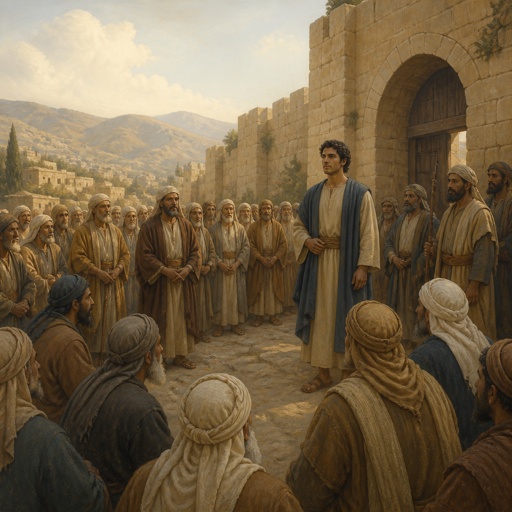
"And Rehoboam went to Shechem: for to Shechem were all Israel come to make him king." - 2 Chronicles 10:1

2 Chronicles 4:10 - "And he set the sea on the right side of the east end, over against the south."

2 Chronicles 10:13 - "And the king answered them roughly; and king Rehoboam forsook the counsel of the old men,"

1 Chronicles 15:10 - "Of the sons of Uzziel; Amminadab the chief, and his brethren an hundred and twelve."

1 Chronicles 8:10 - "And Jeuz, and Shachia, and Mirma. These were his sons, heads of the fathers."

2 Chronicles 35:10 - "So the service was prepared, and the priests stood in their place, and the Levites in their courses, according to the king's commandment."

2 Chronicles 10:3 - "And they sent and called him. So Jeroboam and all Israel came and spake to Rehoboam, saying,"

2 Chronicles 15:10 - "So they gathered themselves together at Jerusalem in the third month, in the fifteenth year of the reign of Asa."