The Dust of the Earth: A Promise Fulfilled
“Now, O LORD God, let thy promise unto David my father be established: for thou hast made me king over a people like the dust of the earth in multitude.” — 2 Chronicles 1:9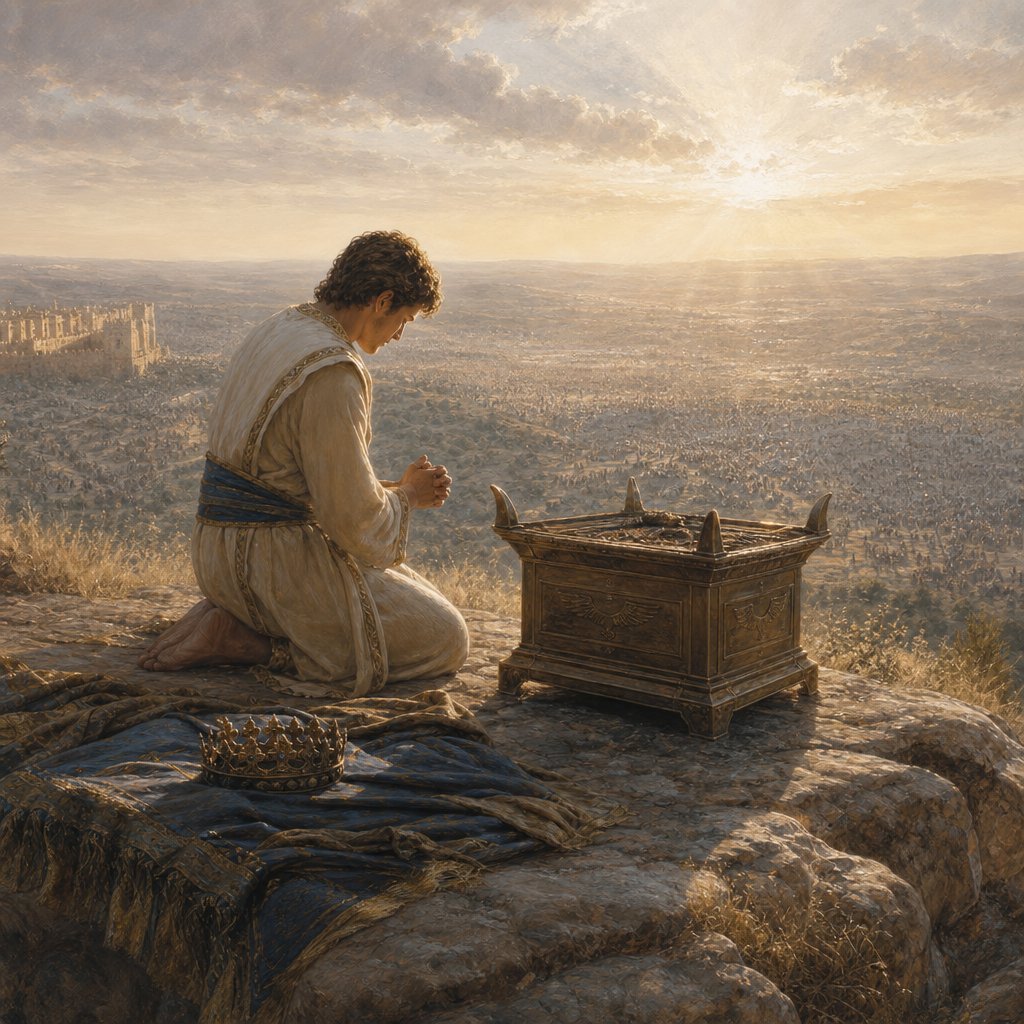
In 2 Chronicles 1:9, King Solomon stands before the God of his father David, pleading for the establishment of a divine promise. The verse reads, "Now, O LORD God, let thy promise unto David my father be established: for thou hast made me king over a people like the dust of the earth in multitude." This powerful plea captures a moment steeped in both humility and awe as Solomon recognizes the incredible responsibility placed upon him to lead the Israelite people.
The context of this verse is pivotal. Solomon has just assumed the throne following the reign of David, a king described in Scripture as a man after God’s own heart. Solomon is acutely aware that the foundations of his kingship are built upon the covenant that God made with David. The promise referred to in this poignant prayer is one of stability and enduring favor, a continuance of God’s faithfulness toward David's lineage. Solomon's request to establish this promise indicates not merely an appeal to God’s past actions, but a deep desire to see God’s ongoing presence and guidance in his reign.
At the heart of Solomon’s plea is humility. His acknowledgment that he is leading a vast multitude "like the dust of the earth" reflects both an understanding of the magnitude of the task ahead and his recognition of human frailty. The people of Israel are not just numerous but diverse, coming from various tribes, backgrounds, and walks of life. Solomon’s role as king is not merely one of authority; it is a sacred duty to shepherd a people to whom God himself is profoundly attached. This requires wisdom, discernment, and above all, a reliance upon the Lord.
The imagery of the dust of the earth evokes thoughts of Genesis 2:7, where God created man from the dust. It serves as a reminder that while humanity is numerous, we are inherently fragile and shaped by our Creator. Solomon's analogy goes beyond the sheer number of people; it denotes the need for guidance as they navigate the complexities of life. As each grain of dust contributes to the larger whole, so do each citizen of Israel contribute to the community. Solomon’s understanding of this interconnectedness exemplifies the essence of biblical leadership: serving others while recognizing the divine order placed by God.
Moreover, Solomon's prayer reveals the importance of God’s promise in shaping leadership. When leaders are aware that their authority and guidance are established by divine promise, they approach their roles with a sense of accountability to God and their people. This understanding of leadership as service rather than dominion sustains a community under God’s blessing. In essence, Solomon was not only seeking God’s approval; he was seeking a connection to the divine source of wisdom and understanding.
As we ponder Solomon's request, we might consider our own lives and the callings placed upon us. Are there promises God has made to us or our families that we are trusting Him to fulfill? Like Solomon, we might find ourselves in situations that require wisdom beyond our understanding. In those moments, we should echo Solomon's heart, seeking to establish God’s promises in our lives.
Finally, let us remember that God’s faithfulness to His promises is unwavering. In every circumstance, whether we feel the weight of our responsibilities or the enormity of our challenges, we can lean on His words. The God who established His covenant with David is the same God who walks with us. May we always be ready to cry out as Solomon did, earnestly seeking God’s guidance and recognizing His promises are not only for leadership but also for every believer who strives to walk in His ways.
In conclusion, Solomon’s prayer is a call to recognize our dependence on God and His promises, urging us to seek His wisdom in leading our lives, our families, and our communities. As we cast our concerns before the Lord, may we hold fast to His assurances, trusting that He who has made great promises will fulfill them according to His glorious will.
Get our apps


Artwork for 2 Chronicles 1:9
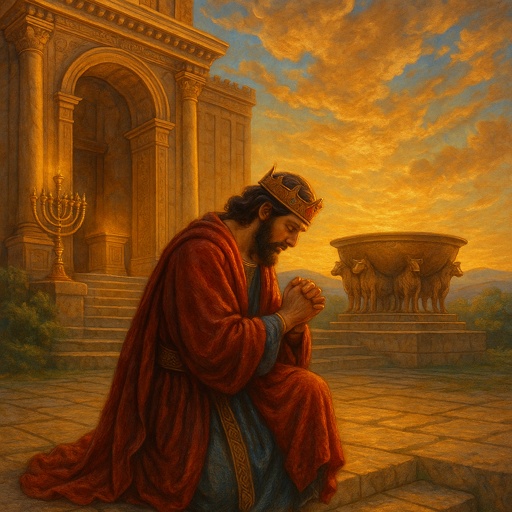
"Now, O LORD God, let thy promise unto David my father be established: for thou hast made me king over a people like the dust of the earth in multitude." - 2 Chronicles 1:9
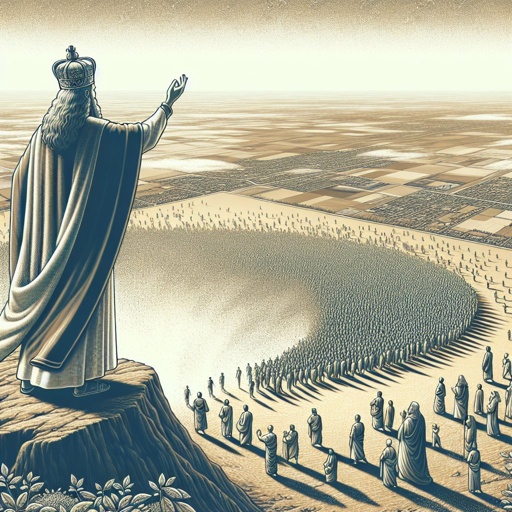
2 Chronicles 1:9 - "Now, O LORD God, let thy promise unto David my father be established: for thou hast made me king over a people like the dust of the earth in multitude."

"Now, O LORD God, let thy promise unto David my father be established: for thou hast made me king over a people like the dust of the earth in multitude." - 2 Chronicles 1:9
"Now, O LORD God, let thy promise unto David my father be established: for thou hast made me king over a people like the dust of the earth in multitude." - 2 Chronicles 1:9

1 Chronicles 2:9 - "The sons also of Hezron, that were born unto him; Jerahmeel, and Ram, and Chelubai."

1 Chronicles 9:2 - "¶ Now the first inhabitants that dwelt in their possessions in their cities were, the Israelites, the priests, Levites, and the Nethinims."

2 Chronicles 18:9

2 Chronicles 18:9

2 Chronicles 21:9

2 Chronicles 11:9 - "And Adoraim, and Lachish, and Azekah,"

1 Chronicles 1:9 - "And the sons of Cush; Seba, and Havilah, and Sabta, and Raamah, and Sabtecha. And the sons of Raamah; Sheba, and Dedan."

1 Chronicles 9:37 - "And Gedor, and Ahio, and Zechariah, and Mikloth."

1 Chronicles 9:10 - "¶ And of the priests; Jedaiah, and Jehoiarib, and Jachin,"

1 Chronicles 24:9 - "The fifth to Malchijah, the sixth to Mijamin,"

2 Chronicles 31:9 - "Then Hezekiah questioned with the priests and the Levites concerning the heaps."

1 Chronicles 9:5 - "And of the Shilonites; Asaiah the firstborn, and his sons."

1 Chronicles 9:30 - "And some of the sons of the priests made the ointment of the spices."

1 Chronicles 6:9 - "And Ahimaaz begat Azariah, and Azariah begat Johanan,"

1 Chronicles 12:9 - "Ezer the first, Obadiah the second, Eliab the third,"

2 Chronicles 9:30 - "And Solomon reigned in Jerusalem over all Israel forty years."
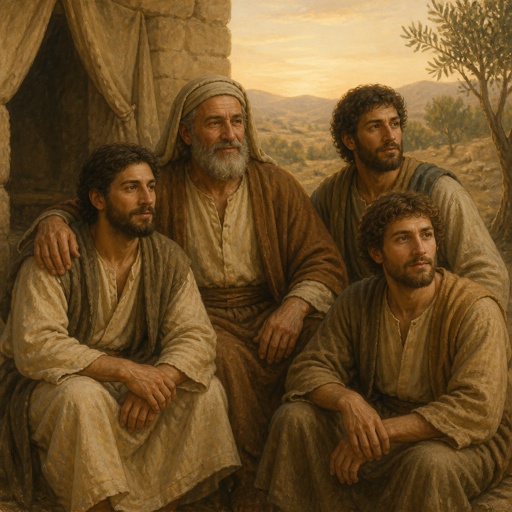
"The sons also of Hezron, that were born unto him; Jerahmeel, and Ram, and Chelubai." - 1 Chronicles 2:9

2 Chronicles 9:22 - "And king Solomon passed all the kings of the earth in riches and wisdom."

1 Chronicles 14:9 - "And the Philistines came and spread themselves in the valley of Rephaim."

2 Chronicles 9:2 - "And Solomon told her all her questions: and there was nothing hid from Solomon which he told her not."

2 Chronicles 9:28 - "And they brought unto Solomon horses out of Egypt, and out of all lands."

1 Chronicles 26:9 - "And Meshelemiah had sons and brethren, strong men, eighteen."

1 Chronicles 9:41 - "And the sons of Micah were, Pithon, and Melech, and Tahrea, and Ahaz."

1 Chronicles 21:9 - "¶ And the LORD spake unto Gad, David's seer, saying,"

1 Chronicles 9:9 - "And their brethren, according to their generations, nine hundred and fifty and six. All these men were chief of the fathers in the house of their fathers."

2 Chronicles 2:9 - "Even to prepare me timber in abundance: for the house which I am about to build shall be wonderful great."