Facing the Multitudes: Trusting God in Times of Crisis
“Then there came some that told Jehoshaphat, saying, There cometh a great multitude against thee from beyond the sea on this side Syria; and, behold, they be in Hazazon-tamar, which is En-gedi.” — 2 Chronicles 20:2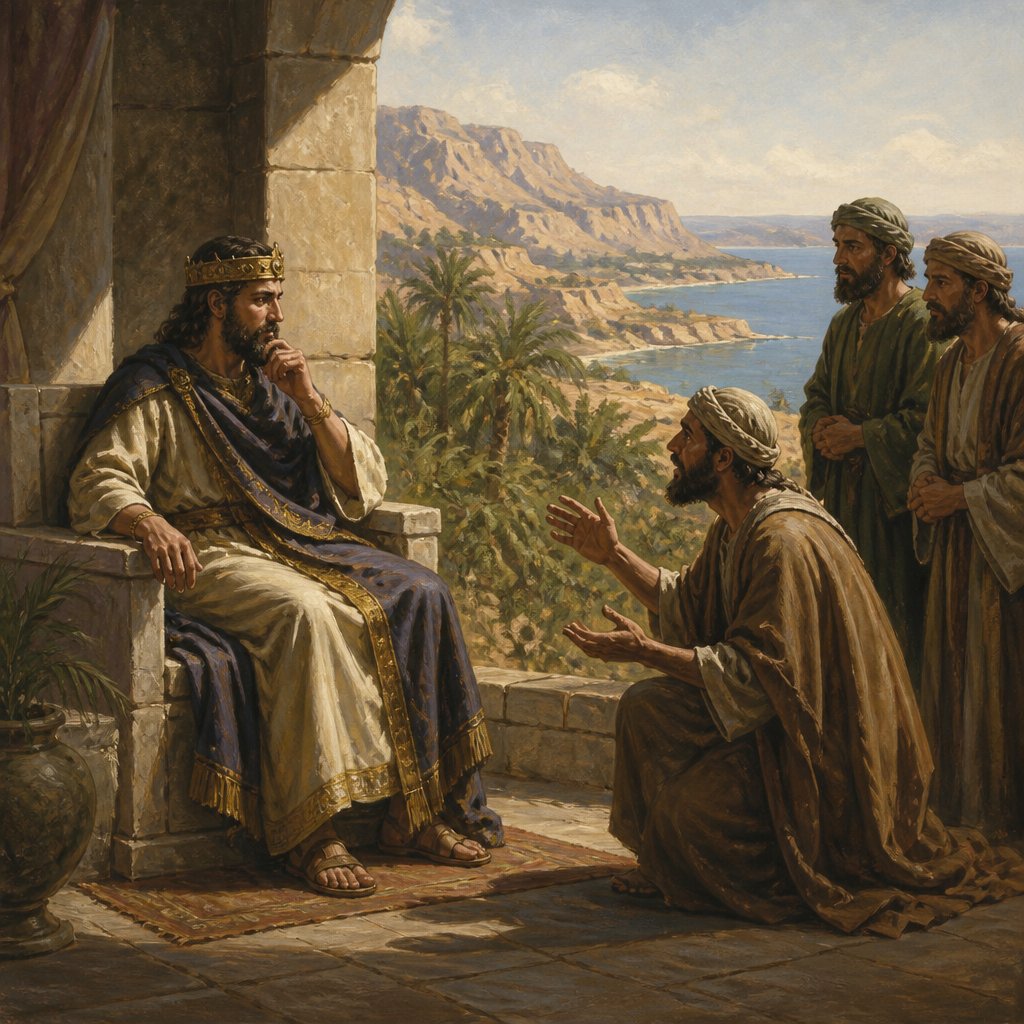
In 2 Chronicles 20:2, we witness a moment of profound crisis for King Jehoshaphat and the people of Judah: "Then there came some that told Jehoshaphat, saying, There cometh a great multitude against thee from beyond the sea on this side Syria; and, behold, they be in Hazazon-tamar, which is En-gedi." This verse sets the stage for one of the most remarkable accounts of faith in the Old Testament—a reminder of God's sovereignty, even in dire circumstances.
As we reflect on this verse, we first acknowledge the weight of the news that Jehoshaphat received. A great multitude—an enemy force gathered with the intent to do harm—was approaching. This was no ordinary threat; it was a coalition of powerful foes ready to attack. The report was alarming, bringing with it the fear of annihilation. Jehoshaphat, a king known for his faithfulness to God, faced an intense trial that would test his leadership and, more importantly, his faith.
How often do we find ourselves in a similar situation? Life has unexpected ways of presenting us with overwhelming challenges. We might receive news about a terminal illness, job loss, family issues, or even spiritual doubt that can feel like a multitude marching toward us. In those moments, the instinctual response can be one of fear and despair, mirroring Jehoshaphat's initial reaction.
However, we would do well to observe Jehoshaphat's response to the message of impending doom. In the following verses, we see him doing something profound: he resolved to inquire of the Lord and proclaimed a fast for all Judah (2 Chronicles 20:3). His first course of action was not to strategize a military response or to seek out alliances; instead, he turned his heart toward God. This act of seeking God in times of trouble models a faith-filled response we are called to emulate.
When faced with overwhelming circumstances, prayer should be our first response. Jehoshaphat recognized that the battle he faced was beyond human capability to overcome. It compelled him to seek divine intervention. In our crises, bending our knees in prayer and turning to Scripture can bring peace and clarity. Instead of allowing fear to take root, we can claim the promises of God, remembering Romans 8:31, "If God be for us, who can be against us?"
Moreover, Jehoshaphat's urgent humility in prayer indicates a reliance on God's wisdom rather than his own understanding. James 1:5 reminds us that if anyone lacks wisdom, they should ask God, who gives generously to all without finding fault. In Jehoshaphat's earnest plea, he acknowledged his weakness: "O our God, wilt thou not judge them? For we have no might against this great company that cometh against us; neither know we what to do: but our eyes are upon thee" (2 Chronicles 20:12). Jehoshaphat accurately voiced the plight of humanity—our limitations before God’s infinite power.
Ultimately, we learn from this passage that our trials, rather than defining us, can shape us into vessels of God's grace. The great multitude that may seem to bear down on us can lead to incredible testimonies of God’s deliverance, much as it did for Jehoshaphat. We’ll see in the subsequent verses how God does respond to Jehoshaphat's cries for help, sending prophetic assurance and victory that can only be explained by divine intervention.
As we navigate through life’s challenges, let us remember that the same God who delivered Judah from their enemies is the same God who fights for us today. In what looks like defeat, He can bring resounding victory. Therefore, let us proclaim, even when faced with great multitudes, that our eyes are upon Him, trusting in His timing and His plans. This is not just a story of a king long ago; it is a living testament to the faithfulness of our God and an invitation for us to walk confidently with Him in each season of life.
Get our apps


Artwork for 2 Chronicles 20:2

2 Chronicles 20:2 - "Then there came some that told Jehoshaphat, saying, There cometh a great multitude against thee from beyond the sea on this side Syria; and, behold, they be in Hazazon-tamar, which is En-gedi."
"Then there came some that told Jehoshaphat, saying, There cometh a great multitude against thee from beyond the sea on this side Syria; and, behold, they be in Hazazon-tamar, which is En-gedi." - 2 Chronicles 20:2

2 Chronicles 20:37

2 Chronicles 11:20

2 Chronicles 20:28

2 Chronicles 20:21

2 Chronicles 20:18

2 Chronicles 30:20 - "And the LORD hearkened to Hezekiah, and healed the people."

1 Chronicles 2:20 - "And Hur begat Uri, and Uri begat Bezaleel."

2 Chronicles 20:28 - "And they came to Jerusalem with psalteries and harps and trumpets unto the house of the LORD."

2 Chronicles 20:13 - "And all Judah stood before the LORD, with their little ones, their wives, and their children."

2 Chronicles 32:20 - "And for this cause Hezekiah the king, and the prophet Isaiah the son of Amoz, prayed and cried to heaven."

2 Chronicles 20:5 - "¶ And Jehoshaphat stood in the congregation of Judah and Jerusalem, in the house of the LORD, before the new court,"

2 Chronicles 20:8 - "And they dwelt therein, and have built thee a sanctuary therein for thy name, saying,"

2 Chronicles 29:20 - "¶ Then Hezekiah the king rose early, and gathered the rulers of the city, and went up to the house of the LORD."

2 Chronicles 20:3 - "And Jehoshaphat feared, and set himself to seek the LORD, and proclaimed a fast throughout all Judah."

2 Chronicles 20:30 - "So the realm of Jehoshaphat was quiet: for his God gave him rest round about."

2 Chronicles 4:20 - "Moreover the candlesticks with their lamps, that they should burn after the manner before the oracle, of pure gold;"

2 Chronicles 28:20 - "And Tilgath-pilneser king of Assyria came unto him, and distressed him, but strengthened him not."

2 Kings 20:20 - "¶ And the rest of the acts of Hezekiah, and all his might, and how he made a pool, and a conduit, and brought water into the city, are they not written in the book of the chronicles of the kings of Judah?"

2 Chronicles 20:36 - "And he joined himself with him to make ships to go to Tarshish: and they made the ships in Ezion-geber."

2 Chronicles 20:32 - "And he walked in the way of Asa his father, and departed not from it, doing that which was right in the sight of the LORD."

2 Chronicles 13:20 - "Neither did Jeroboam recover strength again in the days of Abijah: and the LORD struck him, and he died."

"And the LORD hearkened to Hezekiah, and healed the people." - 2 Chronicles 30:20

2 Chronicles 11:20 - "And after her he took Maachah the daughter of Absalom; which bare him Abijah, and Attai, and Ziza, and Shelomith."

2 Chronicles 20:33 - "Howbeit the high places were not taken away: for as yet the people had not prepared their hearts unto the God of their fathers."

2 Chronicles 20:29 - "And the fear of God was on all the kingdoms of those countries, when they had heard that the LORD fought against the enemies of Israel."

2 Chronicles 20:35 - "¶ And after this did Jehoshaphat king of Judah join himself with Ahaziah king of Israel, who did very wickedly:"

2 Chronicles 20:19 - "And the Levites, of the children of the Kohathites, and of the children of the Korhites, stood up to praise the LORD God of Israel with a loud voice on high."

2 Chronicles 20:4 - "And Judah gathered themselves together, to ask help of the LORD: even out of all the cities of Judah they came to seek the LORD."