The Cost of Compromise: A Lesson from 2 Chronicles 25:24
“And he took all the gold and the silver, and all the vessels that were found in the house of God with Obed-edom, and the treasures of the king’s house, the hostages also, and returned to Samaria.” — 2 Chronicles 25:24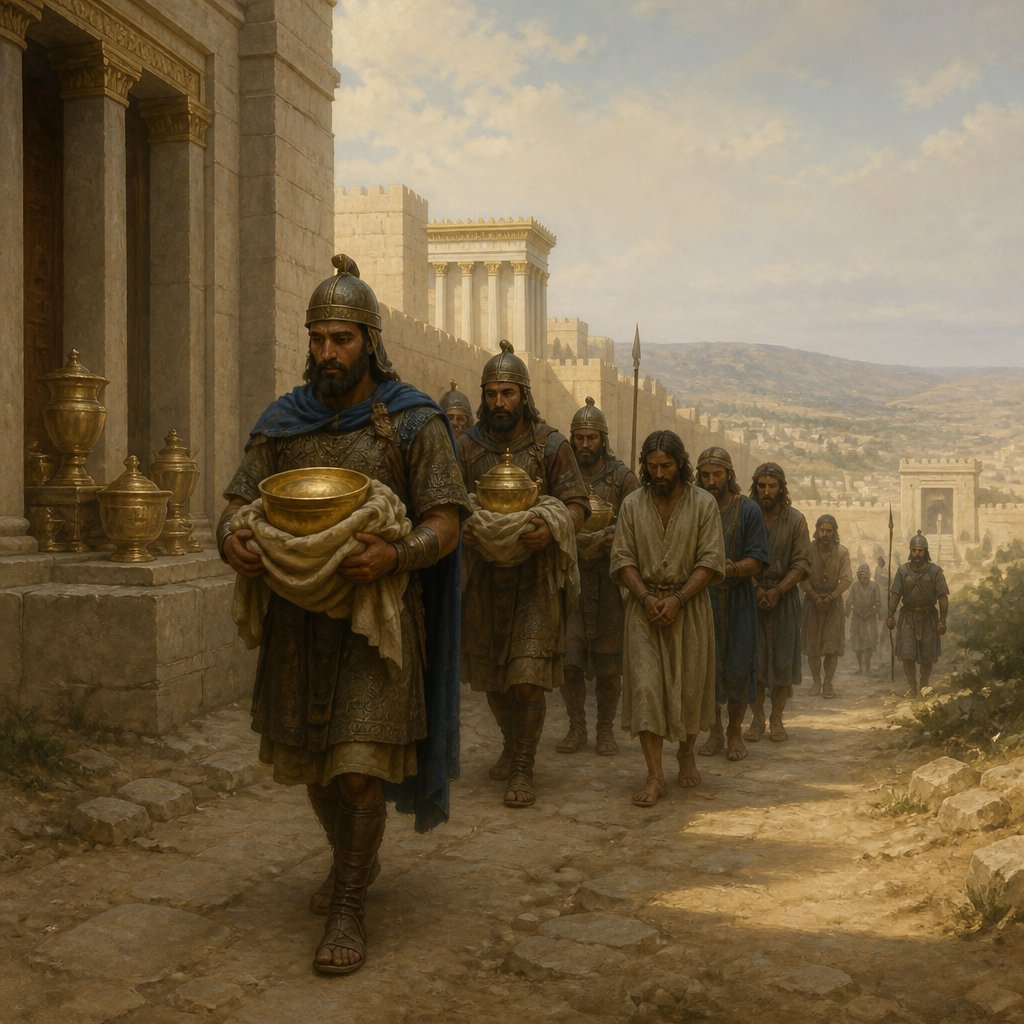
In 2 Chronicles 25:24, we read, "And he took all the gold and the silver, and all the vessels that were found in the house of God with Obed-edom, and the treasures of the king's house, the hostages also, and returned to Samaria." This verse encapsulates a tragic yet profound lesson about the consequences of compromise and the heart's inclination towards greed and idolatry.
To understand this scripture fully, we must look back at the context. The verse references King Amaziah of Judah, a ruler who started his reign well but ultimately strayed from the paths of righteousness. Initially, Amaziah was passionate about serving God; he even gathered an army to fight against Edom, relying on the Lord’s guidance. However, as his reign progressed, we see a fundamental shift in his behavior, particularly in his allegiance and priorities.
Amaziah's decision to hire mercenaries from Israel for his campaign against Edom is a telling sign of his diminishing trust in God. Instead of relying on God’s strength, he sought worldly means to secure military victory, which led to disastrous spiritual consequences. The mercenaries, angry about being sent back without battle, brought chaos that was not only destructive to the kingdom but reflected Amaziah's misplaced trust.
As his decisions took a turn, so did his character. The very verse we reflect upon highlights a pivotal moment following his misguided choices. After tumultuous battles and disobedience, Amaziah's heart shifted towards accumulating wealth, taking valuable vessels from the house of God and allowing materialism to overshadow his commitment to the Lord. The gold and silver he seized were not just physical treasures; they symbolized a deeper spiritual impoverishment. When King Amaziah decided to remove sacred vessels from the temple, he demoted the worship of God to a secondary role in his life.
Let us take a moment to contemplate the implications of such actions. When we prioritize material possessions or worldly success over our relationship with God, we, too, risk losing our spiritual treasures. The sacred vessels of the temple represented God's presence among His people; their removal signified a withdrawal of reliance on divine aid. It is a poignant reminder that our hearts cannot simultaneously hold the treasures of this world and the unshakeable joy of serving God.
Furthermore, this passage and Amaziah’s decisions encourage us to reflect on what we might be sacrificing for the sake of worldly gain. Are there areas in our lives where we have allowed materialism or the pursuit of security to overshadow our devotion to God? Have we taken from our ‘temple’ — our lives committed to Him — to fill our own pockets? It poses a challenging question to our faithfulness and the orientation of our hearts.
Moreover, the verse highlights another key aspect: the fate of the hostages he took. When we allow our desires to dictate our actions, we often impact others around us. Amaziah’s greed not only harmed his spiritual standing but also resulted in consequences for others, including hostages who were possibly taken from Israel. Our sins can harm those we may not even directly involve, showing that our choices in pursuit of materialism can have ripple effects in the lives of those around us.
In conclusion, the account of King Amaziah serves as a cautionary tale about the allure of worldly riches and the grave consequences of compromising our faith. As we navigate our own journeys, let us strive to keep our hearts anchored in God and His truth, recognizing that no treasure on earth can compare to the richness of a life devoted to Him. May we guard our hearts against the temptations of this world, valuing the sacred over the superficial and remaining steadfast in our commitment to worship the One who is worthy of all our treasures.
Get our apps


Artwork for 2 Chronicles 25:24

2 Chronicles 25:24 - "And he took all the gold and the silver, and all the vessels that were found in the house of God with Obed-edom, and the treasures of the king's house, the hostages also, and returned to Samaria."
"And he took all the gold and the silver, and all the vessels that were found in the house of God with Obed-edom, and the treasures of the king's house, the hostages also, and returned to Samaria." - 2 Chronicles 25:24

1 Chronicles 24:25 - "The brother of Michah was Isshiah: of the sons of Isshiah; Zechariah."

1 Chronicles 25:24 - "The seventeenth to Joshbekashah, he, his sons, and his brethren, were twelve:"

"The brother of Michah was Isshiah: of the sons of Isshiah; Zechariah." - 1 Chronicles 24:25

"The brother of Michah was Isshiah: of the sons of Isshiah; Zechariah." - 1 Chronicles 24:25

2 Chronicles 25:2 - "And he did that which was right in the sight of the LORD, but not with a perfect heart."

2 Chronicles 24:25 - "And when they were departed from him, (for they left him in great diseases,) his own servants conspired against him for the blood of the sons of Jehoiada the priest, and slew him on his bed, and he died: and they buried him in the city of David, but they buried him not in the sepulchres of the kings."

2 Chronicles 25:25 - "¶ And Amaziah the son of Joash king of Judah lived after the death of Joash son of Jehoahaz king of Israel fifteen years."

2 Chronicles 24:2 - "And Joash did that which was right in the sight of the LORD all the days of Jehoiada the priest."
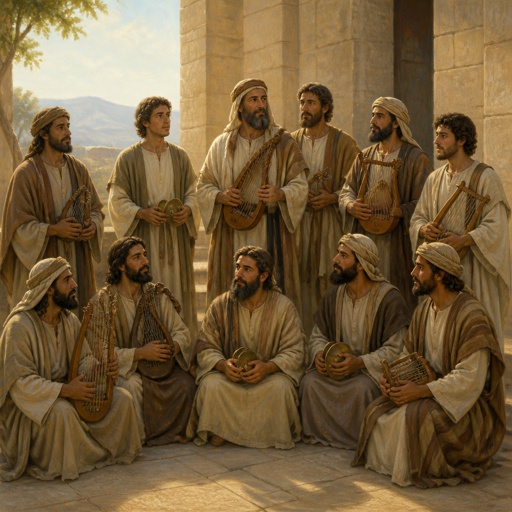
"The seventeenth to Joshbekashah, he, his sons, and his brethren, were twelve:" - 1 Chronicles 25:24

2 Chronicles 24:4 - "¶ And it came to pass after this, that Joash was minded to repair the house of the LORD."

2 Chronicles 24:8 - "And at the king's commandment they made a chest, and set it without at the gate of the house of the LORD."

2 Chronicles 25:28 - "And they brought him upon horses, and buried him with his fathers in the city of Judah."

2 Chronicles 25:22 - "And Judah was put to the worse before Israel, and they fled every man to his tent."

2 Chronicles 24:3 - "And Jehoiada took for him two wives; and he begat sons and daughters."

1 Chronicles 2:25 - "¶ And the sons of Jerahmeel the firstborn of Hezron were, Ram the firstborn, and Bunah, and Oren, and Ozem, and Ahijah."

2 Chronicles 33:24 - "And his servants conspired against him, and slew him in his own house."

2 Chronicles 25:26 - "Now the rest of the acts of Amaziah, first and last, behold, are they not written in the book of the kings of Judah and Israel?"

2 Kings 21:25 - "Now the rest of the acts of Amon which he did, are they not written in the book of the chronicles of the kings of Judah?"

2 Chronicles 24:26 - "And these are they that conspired against him; Zabad the son of Shimeath an Ammonitess, and Jehozabad the son of Shimrith a Moabitess."

2 Chronicles 24:21 - "And they conspired against him, and stoned him with stones at the commandment of the king in the court of the house of the LORD."

2 Kings 24:5 - "¶ Now the rest of the acts of Jehoiakim, and all that he did, are they not written in the book of the chronicles of the kings of Judah?"

2 Chronicles 25:6 - "He hired also an hundred thousand mighty men of valour out of Israel for an hundred talents of silver."

2 Chronicles 24:10 - "And all the princes and all the people rejoiced, and brought in, and cast into the chest, until they had made an end."

2 Chronicles 24:13 - "So the workmen wrought, and the work was perfected by them, and they set the house of God in his state, and strengthened it."

2 Chronicles 24:24 - "For the army of the Syrians came with a small company of men, and the LORD delivered a very great host into their hand, because they had forsaken the LORD God of their fathers. So they executed judgment against Joash."

"And he did that which was right in the sight of the LORD, but not with a perfect heart." - 2 Chronicles 25:2

1 Chronicles 2:24 - "And after that Hezron was dead in Caleb-ephratah, then Abiah Hezron's wife bare him Ashur the father of Tekoa."

1 Chronicles 24:2 - "But Nadab and Abihu died before their father, and had no children: therefore Eleazar and Ithamar executed the priest's office."