The Power of Intercession: A Plea for the Unclean
“For a multitude of the people, even many of Ephraim, and Manasseh, Issachar, and Zebulun, had not cleansed themselves, yet did they eat the passover otherwise than it was written. But Hezekiah prayed for them, saying, The good LORD pardon every one” — 2 Chronicles 30:18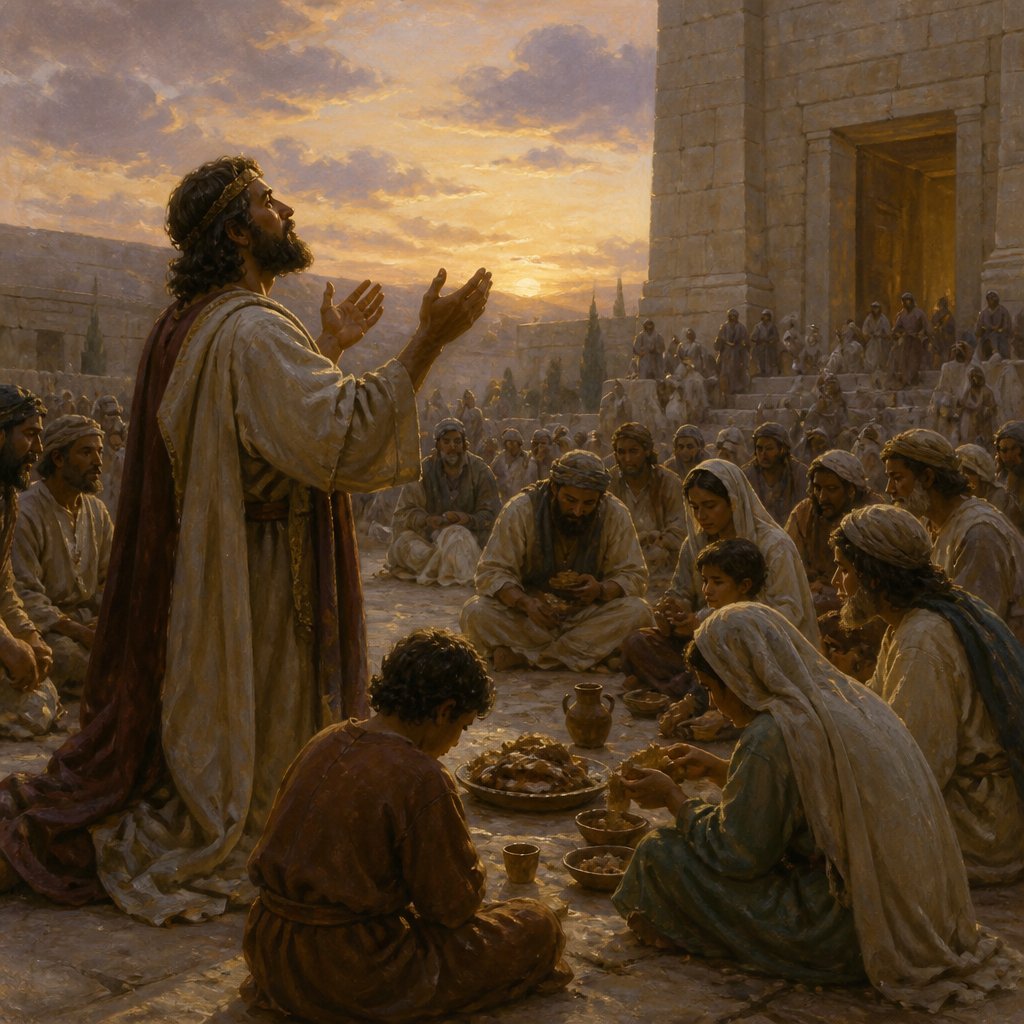
In the book of 2 Chronicles 30:18, we read a fascinating yet sobering account of King Hezekiah's efforts to restore proper worship in Judah. The verse states, "For a multitude of the people, even many of Ephraim, and Manasseh, Issachar, and Zebulun, had not cleansed themselves, yet did they eat the passover otherwise than it was written. But Hezekiah prayed for them, saying, The good LORD pardon every one." This verse encapsulates a profound moment of intercession, grace, and divine mercy that resonates deeply with our spiritual journey today.
Hezekiah's reign was marked by a return to worshiping the LORD as prescribed in the Law of Moses. The Passover, a significant feast commemorating Israel's deliverance from Egypt, was a time for national reflection and divine connection. However, as the people gathered, it became evident that many from the tribes of Ephraim, Manasseh, Issachar, and Zebulun had not purified themselves according to the regulations set forth in the Scriptures. This rebellion against God's ordained practice posed a problem that could have led to severe consequences under the law.
Instead of condemnation, what do we see in Hezekiah? A heart of compassion! Hezekiah did not react in anger or judgment. Instead, he interceded on behalf of his people. He recognized their failure but also acknowledged that God's mercy could extend far beyond their shortcomings. In his prayer, he appealed to the goodness of the LORD, emphasizing not just the people’s need for forgiveness but the character of God who is rich in mercy and abounding in steadfast love.
Hezekiah’s action teaches us several vital lessons about the nature of intercessory prayer. First, it demonstrates a posture of humility and love. Intercession is rooted in a desire for the well-being of others, often placing their needs above our judgment. When we see those around us struggling with sin or failing to meet God’s standards, our first response should be to pray. This does not mean we excuse sin or overlook it; instead, we bring it before the Lord, trusting Him to deal with it in His wisdom and mercy.
Moreover, Hezekiah's prayer acknowledges the reality of human frailty. It is so easy to become discouragingly aware of our imperfections or those of others, particularly when we witness their actions that are not aligned with God’s ways. Yet, Hezekiah recognized that worship should not be a solitary activity, nor should it demand perfection every single time. What really matters is the heart's posture toward God. God honors genuine repentance and the act of reaching out to Him in faith, even when our actions fall short.
We live in a world where many are spiritually unclean—within families, workplaces, and communities—missing out on the blessings God intends for their lives. Are we willing to intercede like Hezekiah? Are we committed to praying for the unclean, asking the good Lord to pardon and cleanse those who err? Intercession calls us to be a bridge between the Holy God and the lost, pleading on their behalf.
As we reflect on the attitudes of our hearts, let us also strive for authenticity in our worship. Are we coming before God in truth? Are we ready to forgive others as we seek forgiveness for ourselves? In a world filled with distractions, Hezekiah’s action reminds us that worship and prayer must be sincere acts of faith, marked by a readiness to seek reconciliation with God.
Let us carry this message into our prayer lives. As we draw near to God, let us pray for those who struggle amid their failures, trusting that the good LORD pardons everyone who comes to Him with a humble spirit. May our prayers bear fruit, inviting others into the abundance of His grace and mercy.
Get our apps


Artwork for 2 Chronicles 30:18

2 Chronicles 30:18 - "For a multitude of the people, even many of Ephraim, and Manasseh, Issachar, and Zebulun, had not cleansed themselves, yet did they eat the passover otherwise than it was written. But Hezekiah prayed for them, saying, The good LORD pardon every one"

2 Chronicles 30:18-20 - "For a multitude of the people, even many of Ephraim, and Manasseh, Issachar, and Zebulun, had not cleansed themselves, yet did they eat the passover otherwise than it is written. But Hezekiah prayed for them, saying, The good LORD pardon everyone That prepareth his heart to seek God, the LORD God of his fathers, though he be not cleansed according to the purification of the sanctuary. And the LORD hearkened to Hezekiah, and healed the people."
"For a multitude of the people, even many of Ephraim, and Manasseh, Issachar, and Zebulun, had not cleansed themselves, yet did they eat the passover otherwise than it was written. But Hezekiah prayed for them, saying, The good LORD pardon every one" - 2 Chronicles 30:18
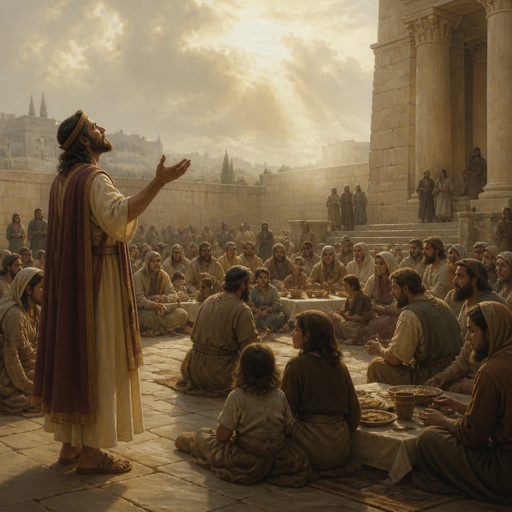
"For a multitude of the people, even many of Ephraim, and Manasseh, Issachar, and Zebulun, had not cleansed themselves, yet did they eat the passover otherwise than it is written. But Hezekiah prayed for them, saying, The good LORD pardon everyone That prepareth his heart to seek God, the LORD God of his fathers, though he be not cleansed according to the purification of the sanctuary. And the LORD hearkened to Hezekiah, and healed the people." - 2 Chronicles 30:18-20

2 Chronicles 18:30 - "Now the king of Syria had commanded the captains of the chariots that were with him, saying, Fight ye not with small or great, save only with the king of Israel."

2 Chronicles 30:10

2 Chronicles 30:4 - "And the thing pleased the king and all the congregation."

2 Chronicles 30:20 - "And the LORD hearkened to Hezekiah, and healed the people."

2 Chronicles 9:30 - "And Solomon reigned in Jerusalem over all Israel forty years."

1 Chronicles 2:30 - "And the sons of Nadab; Seled, and Appaim: but Seled died without children."

2 Chronicles 30:2 - "For the king had taken counsel, and his princes, and all the congregation in Jerusalem, to keep the passover in the second month."

2 Chronicles 18:9

2 Chronicles 18:9

2 Chronicles 20:18

2 Chronicles 30:11 - "Nevertheless divers of Asher and Manasseh and of Zebulun humbled themselves, and came to Jerusalem."

2 Chronicles 20:30 - "So the realm of Jehoshaphat was quiet: for his God gave him rest round about."

2 Chronicles 30:23 - "And the whole assembly took counsel to keep other seven days: and they kept other seven days with gladness."

2 Chronicles 30:26 - "So there was great joy in Jerusalem: for since the time of Solomon the son of David king of Israel there was not the like in Jerusalem."

2 Chronicles 30:13 - "¶ And there assembled at Jerusalem much people to keep the feast of unleavened bread in the second month, a very great congregation."
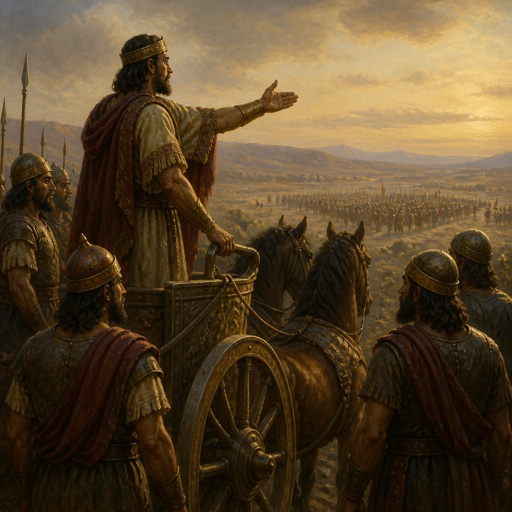
"Now the king of Syria had commanded the captains of the chariots that were with him, saying, Fight ye not with small or great, save only with the king of Israel." - 2 Chronicles 18:30

"And the LORD hearkened to Hezekiah, and healed the people." - 2 Chronicles 30:20

"And the thing pleased the king and all the congregation." - 2 Chronicles 30:4

2 Samuel 18:30 - "And the king said unto him, Turn aside, and stand here. And he turned aside, and stood still."

2 Chronicles 30:12 - "Also in Judah the hand of God was to give them one heart to do the commandment of the king and of the princes, by the word of the LORD."

2 Kings 14:18 - "And the rest of the acts of Amaziah, are they not written in the book of the chronicles of the kings of Judah?"

2 Chronicles 30:14 - "And they arose and took away the altars that were in Jerusalem, and all the altars for incense took they away, and cast them into the brook Kidron."

2 Chronicles 30:19 - "That prepareth his heart to seek God, the LORD God of his fathers, though he be not cleansed according to the purification of the sanctuary."

2 Chronicles 21:18 - "¶ And after all this the LORD smote him in his bowels with an incurable disease."

2 Chronicles 18:1 - "Now Jehoshaphat had riches and honour in abundance, and joined affinity with Ahab."

1 Chronicles 18:2 - "And he smote Moab; and the Moabites became David's servants, and brought gifts."