The Heart of Worship: Seeking God in Imperfection
“For a multitude of the people, even many of Ephraim, and Manasseh, Issachar, and Zebulun, had not cleansed themselves, yet did they eat the passover otherwise than it was written. But Hezekiah prayed for them, saying, The good LORD pardon every one That prepareth his heart to seek God, the LORD God of his fathers, though he be not cleansed according to the purification of the sanctuary. And the LORD hearkened to Hezekiah, and healed the people.” — 2 Chronicles 30:18-20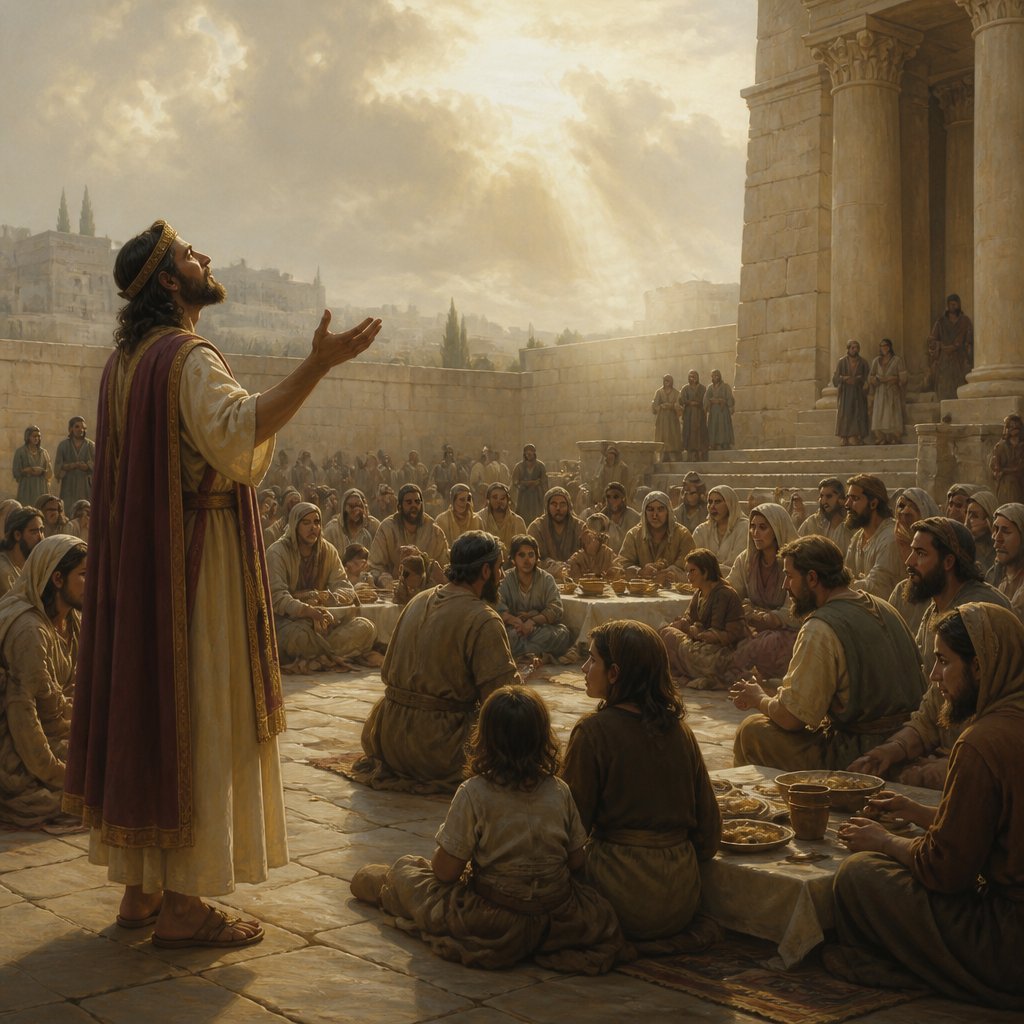
In the narrative of 2 Chronicles 30:18-20, we find a poignant reflection on the nature of worship and divine grace. This passage highlights a moment when King Hezekiah led the people of Israel in the observance of Passover, a sacred and significant feast that commemorates their deliverance from Egypt. However, the text reveals a troubling reality—many of the participants had not followed the prescribed rituals of purification. Verses 18 and 19 state:
"For a multitude of the people, even many of Ephraim, and Manasseh, Issachar, and Zebulun, had not cleansed themselves, yet did they eat the passover otherwise than it is written. But Hezekiah prayed for them, saying, The good LORD pardon everyone that prepareth his heart to seek God, the LORD God of his fathers, though he be not cleansed according to the purification of the sanctuary."
This scenario raises an essential question about the nature of our relationship with God. How often do we feel inadequate in our approach to worship? How easily can the weight of our sin or our unworthiness cripple our desire to draw near to the Lord? Hezekiah’s prayer illuminates a profound truth about seeking God: it is the posture of our hearts that truly matters.
Hezekiah, recognizing the grace of God, intercedes not just with a focus on observance of ritual but with the understanding that God looks at the heart. He prays, asking for God's pardon for those with a genuine desire to seek Him, even if they haven't followed the cleanness demanded by the law. He encapsulates a core aspect of God's character—that He is more concerned with our heart's intention than with mere external compliance.
This should bolster our spirits significantly! Just as the people of Ephraim and Manasseh were welcomed despite their shortcomings, we too can approach God with confidence in our imperfections. God delights in our desire to pursue Him, regardless of our failures. His grace enables us to come before Him and worship, even when we feel unworthy.
Continuing into verse 20, we read:
"And the LORD hearkened to Hezekiah, and healed the people."
Here is a majestic pronouncement of divine response—a powerful declaration that when our hearts seek, God not only hears us but acts. The healing that God imparted was not only physical but also spiritual and emotional. It’s a reminder for us today that God honors sincerity and devotion. When our hearts are aligned with His, He brings restoration to our lives, an intimate act of divine grace that heals the brokenness sin creates.
This passage extensively illustrates the possibility of redemption within our imperfections. It encourages us today to prepare our hearts to seek God, reminding us that acknowledgment of our inadequacies draws us closer to His grace.
Moreover, we learn about the inclusivity of God's grace. The multitude mentioned here comprised various tribes of Israel, indicating that no one is excluded from God's mercy. Our society often draws lines based on worthiness; we categorize individuals into ‘clean’ and ‘unclean,’ acceptable and unacceptable. However, God’s willingness to hear Hezekiah’s prayer signifies that anyone who seeks Him earnestly is welcomed into His presence. No background or failure can keep us from His embrace when we genuinely desire Him.
As we reflect on this passage, let us ask ourselves: Are we approaching God with the heart of humility? Are we willing to admit our failings and yet pursue a relationship with the Holy One? This story encourages us to press on toward God, knowing that it is our heartfelt seeking that captures His attention and invites His healing into our lives.
In summation, let us embrace our unvarnished reality while seeking the Lord fervently. In our imperfections, His grace shines brightest. Let us pray, as Hezekiah did, seeking forgiveness and healing for ourselves and others, grounded in the truth that our sincere hearts will always find a Compassionate Lord eager to respond.
Get our apps


Artwork for 2 Chronicles 30:18-20

2 Chronicles 30:18-20 - "For a multitude of the people, even many of Ephraim, and Manasseh, Issachar, and Zebulun, had not cleansed themselves, yet did they eat the passover otherwise than it is written. But Hezekiah prayed for them, saying, The good LORD pardon everyone That prepareth his heart to seek God, the LORD God of his fathers, though he be not cleansed according to the purification of the sanctuary. And the LORD hearkened to Hezekiah, and healed the people."
"For a multitude of the people, even many of Ephraim, and Manasseh, Issachar, and Zebulun, had not cleansed themselves, yet did they eat the passover otherwise than it is written. But Hezekiah prayed for them, saying, The good LORD pardon everyone That prepareth his heart to seek God, the LORD God of his fathers, though he be not cleansed according to the purification of the sanctuary. And the LORD hearkened to Hezekiah, and healed the people." - 2 Chronicles 30:18-20

2 Chronicles 30:20 - "And the LORD hearkened to Hezekiah, and healed the people."

2 Chronicles 20:18

2 Chronicles 20:30 - "So the realm of Jehoshaphat was quiet: for his God gave him rest round about."

"And the LORD hearkened to Hezekiah, and healed the people." - 2 Chronicles 30:20

2 Chronicles 30:18 - "For a multitude of the people, even many of Ephraim, and Manasseh, Issachar, and Zebulun, had not cleansed themselves, yet did they eat the passover otherwise than it was written. But Hezekiah prayed for them, saying, The good LORD pardon every one"

2 Chronicles 18:30 - "Now the king of Syria had commanded the captains of the chariots that were with him, saying, Fight ye not with small or great, save only with the king of Israel."

2 Chronicles 18:20 - "Then there came out a spirit, and stood before the LORD, and said, I will entice him. And the LORD said unto him, Wherewith?"

2 Chronicles 20:18 - "And Jehoshaphat bowed his head with his face to the ground: and all Judah and the inhabitants of Jerusalem fell before the LORD, worshipping the LORD."

"So the realm of Jehoshaphat was quiet: for his God gave him rest round about." - 2 Chronicles 20:30

2 Chronicles 30:10

2 Chronicles 30:4 - "And the thing pleased the king and all the congregation."

2 Chronicles 20:37

2 Chronicles 11:20

2 Chronicles 20:28

2 Chronicles 9:30 - "And Solomon reigned in Jerusalem over all Israel forty years."

1 Chronicles 2:30 - "And the sons of Nadab; Seled, and Appaim: but Seled died without children."

2 Chronicles 20:21

2 Chronicles 30:2 - "For the king had taken counsel, and his princes, and all the congregation in Jerusalem, to keep the passover in the second month."

2 Chronicles 18:9

2 Chronicles 18:9

2 Chronicles 30:11 - "Nevertheless divers of Asher and Manasseh and of Zebulun humbled themselves, and came to Jerusalem."
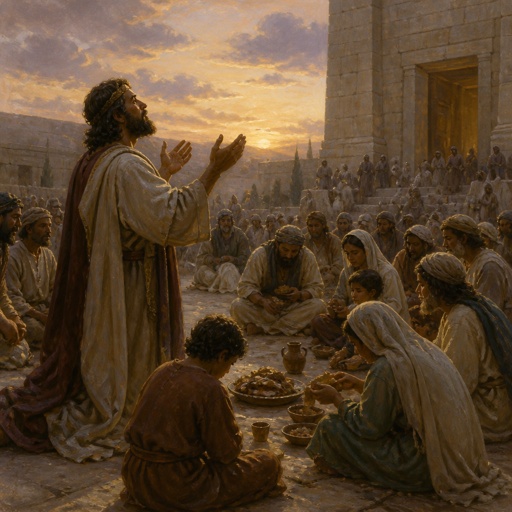
"For a multitude of the people, even many of Ephraim, and Manasseh, Issachar, and Zebulun, had not cleansed themselves, yet did they eat the passover otherwise than it was written. But Hezekiah prayed for them, saying, The good LORD pardon every one" - 2 Chronicles 30:18

1 Chronicles 2:20 - "And Hur begat Uri, and Uri begat Bezaleel."

"Then there came out a spirit, and stood before the LORD, and said, I will entice him. And the LORD said unto him, Wherewith?" - 2 Chronicles 18:20

2 Chronicles 30:23 - "And the whole assembly took counsel to keep other seven days: and they kept other seven days with gladness."

2 Chronicles 30:26 - "So there was great joy in Jerusalem: for since the time of Solomon the son of David king of Israel there was not the like in Jerusalem."

2 Chronicles 30:13 - "¶ And there assembled at Jerusalem much people to keep the feast of unleavened bread in the second month, a very great congregation."
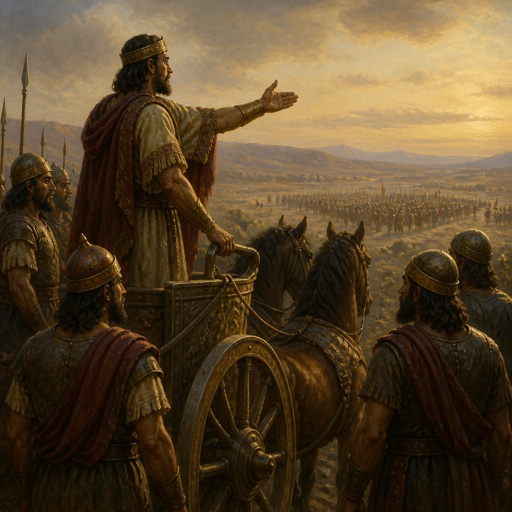
"Now the king of Syria had commanded the captains of the chariots that were with him, saying, Fight ye not with small or great, save only with the king of Israel." - 2 Chronicles 18:30