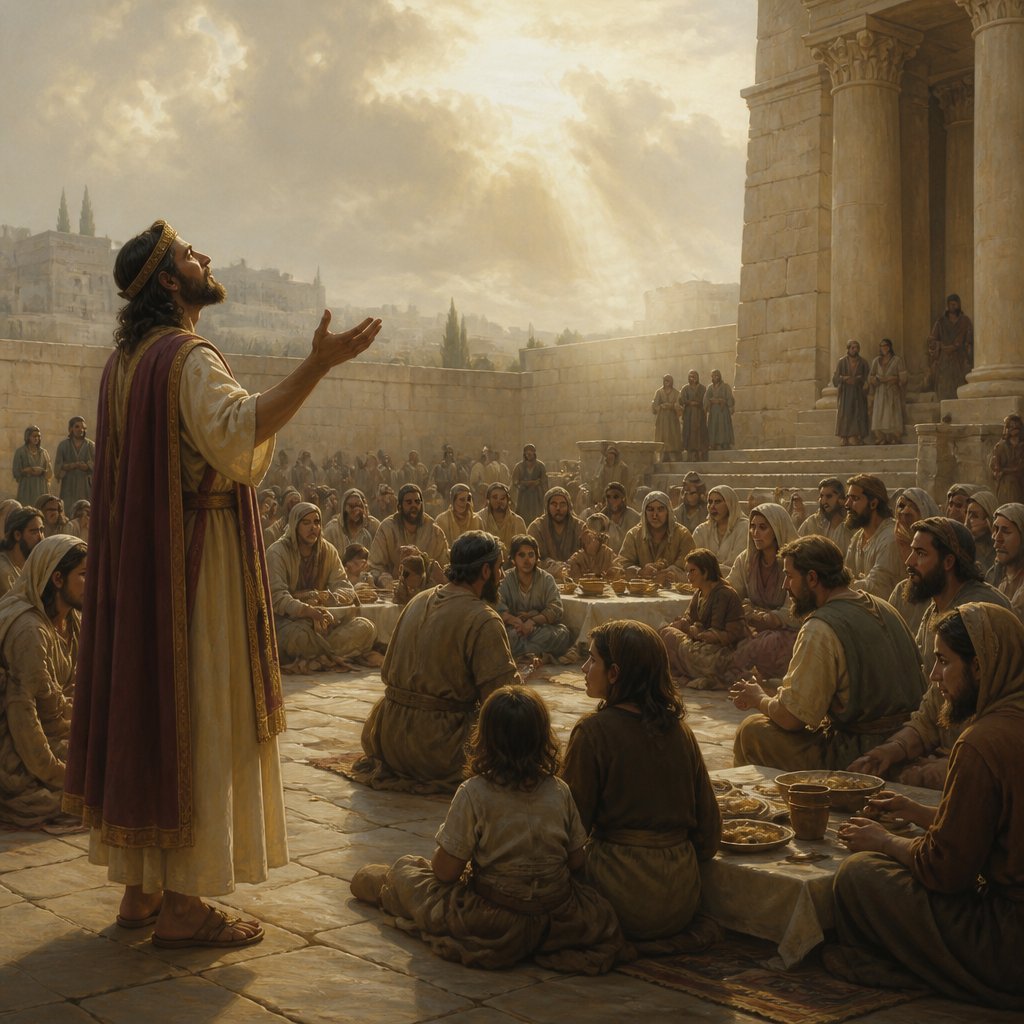
The Bible verse 2 Chronicles 30:18-20 in the King James Version (KJV) reads:
"For a multitude of the people, even many of Ephraim, and Manasseh, Issachar, and Zebulun, had not cleansed themselves, yet did they eat the passover otherwise than it was written. But Hezekiah prayed for them, saying, The good Lord pardon every one That prepareth his heart to seek God, the Lord God of his fathers, though he be not cleansed according to the purification of the sanctuary. And the Lord hearkened to Hezekiah, and healed the people."
This passage explores the theme of forgiveness and redemption, highlighting the compassionate nature of God and the power of sincere repentance. It also emphasizes the importance of seeking God with a pure heart, despite previous shortcomings.
The context of this passage falls within the reign of King Hezekiah of Judah, a righteous king who sought to restore faith and unity among the Israelites. Hezekiah initiated a revival of the Passover celebration, which had been neglected for many years. He invited all the tribes of Israel, including those from the northern kingdom of Israel, to come to Jerusalem and participate in the Passover feast. However, many of the people who came had not cleansed themselves as required by the laws of the feast, and they had not followed the specific instructions outlined in the law of Moses (Exodus 12:43-49, Numbers 9:6-14).
In this context, the actions of the people reflect their spiritual unpreparedness and disregard for the sacredness of the Passover. Despite their shortcomings, King Hezekiah intercedes on their behalf and prays for God's pardon and forgiveness. He acknowledges that not everyone had followed the purification rituals of the sanctuary, but he appeals to God's mercy and grace, asking for forgiveness for those who had sincerely prepared their hearts to seek God.
This passage illustrates God's responsiveness to genuine repentance and the power of intercessory prayer. Hezekiah's prayer demonstrates his understanding of God's character - a God who is loving, compassionate, and merciful. Hezekiah's plea for forgiveness on behalf of the people aligns with the teachings of the Old Testament, where prophets and leaders often acted as mediators between God and the people, seeking reconciliation and restoration.
Furthermore, the passage emphasizes the importance of the heart in seeking God. Despite not fulfilling the outward requirements, those who genuinely sought God with their hearts were granted forgiveness and healing. This aligns with the broader biblical theme that God looks at the heart and desires sincere repentance and devotion rather than mere outward observance of rituals (1 Samuel 16:7, Isaiah 1:11-17, Hosea 6:6).
The symbolism in this passage is reflective of the atoning work of Jesus Christ in the New Testament. Just as King Hezekiah interceded for the people and sought God's forgiveness on their behalf, Jesus Christ, as the ultimate mediator, intercedes for believers before God, securing forgiveness and reconciliation through his sacrificial death on the cross (1 Timothy 2:5, Hebrews 9:15). The Passover feast itself is a precursor to the ultimate sacrifice of Christ, who became the sacrificial lamb to atone for the sins of humanity once and for all (1 Corinthians 5:7).
In conclusion, 2 Chronicles 30:18-20 conveys profound truths about the nature of God, the power of intercessory prayer, and the importance of sincere repentance. It serves as a poignant reminder of God's willingness to forgive and heal those who genuinely seek him with a contrite heart. This passage resonates with the overarching biblical narrative of redemption, forgiveness, and the unchanging mercy of God.
Get our apps


Artwork for 2 Chronicles 30:18-20

2 Chronicles 30:18-20 - "For a multitude of the people, even many of Ephraim, and Manasseh, Issachar, and Zebulun, had not cleansed themselves, yet did they eat the passover otherwise than it is written. But Hezekiah prayed for them, saying, The good LORD pardon everyone That prepareth his heart to seek God, the LORD God of his fathers, though he be not cleansed according to the purification of the sanctuary. And the LORD hearkened to Hezekiah, and healed the people."
"For a multitude of the people, even many of Ephraim, and Manasseh, Issachar, and Zebulun, had not cleansed themselves, yet did they eat the passover otherwise than it is written. But Hezekiah prayed for them, saying, The good LORD pardon everyone That prepareth his heart to seek God, the LORD God of his fathers, though he be not cleansed according to the purification of the sanctuary. And the LORD hearkened to Hezekiah, and healed the people." - 2 Chronicles 30:18-20

2 Chronicles 30:20 - "And the LORD hearkened to Hezekiah, and healed the people."

2 Chronicles 20:18

2 Chronicles 20:30 - "So the realm of Jehoshaphat was quiet: for his God gave him rest round about."

"And the LORD hearkened to Hezekiah, and healed the people." - 2 Chronicles 30:20

2 Chronicles 30:18 - "For a multitude of the people, even many of Ephraim, and Manasseh, Issachar, and Zebulun, had not cleansed themselves, yet did they eat the passover otherwise than it was written. But Hezekiah prayed for them, saying, The good LORD pardon every one"

2 Chronicles 18:30 - "Now the king of Syria had commanded the captains of the chariots that were with him, saying, Fight ye not with small or great, save only with the king of Israel."

2 Chronicles 18:20 - "Then there came out a spirit, and stood before the LORD, and said, I will entice him. And the LORD said unto him, Wherewith?"

2 Chronicles 20:18 - "And Jehoshaphat bowed his head with his face to the ground: and all Judah and the inhabitants of Jerusalem fell before the LORD, worshipping the LORD."

"So the realm of Jehoshaphat was quiet: for his God gave him rest round about." - 2 Chronicles 20:30

2 Chronicles 30:10

2 Chronicles 30:4 - "And the thing pleased the king and all the congregation."

2 Chronicles 20:37

2 Chronicles 11:20

2 Chronicles 20:28

2 Chronicles 9:30 - "And Solomon reigned in Jerusalem over all Israel forty years."

1 Chronicles 2:30 - "And the sons of Nadab; Seled, and Appaim: but Seled died without children."

2 Chronicles 20:21

2 Chronicles 30:2 - "For the king had taken counsel, and his princes, and all the congregation in Jerusalem, to keep the passover in the second month."

2 Chronicles 18:9

2 Chronicles 18:9

2 Chronicles 30:11 - "Nevertheless divers of Asher and Manasseh and of Zebulun humbled themselves, and came to Jerusalem."
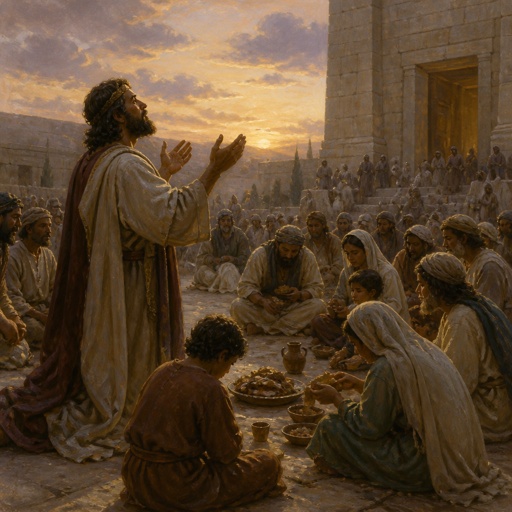
"For a multitude of the people, even many of Ephraim, and Manasseh, Issachar, and Zebulun, had not cleansed themselves, yet did they eat the passover otherwise than it was written. But Hezekiah prayed for them, saying, The good LORD pardon every one" - 2 Chronicles 30:18

1 Chronicles 2:20 - "And Hur begat Uri, and Uri begat Bezaleel."

"Then there came out a spirit, and stood before the LORD, and said, I will entice him. And the LORD said unto him, Wherewith?" - 2 Chronicles 18:20

2 Chronicles 30:23 - "And the whole assembly took counsel to keep other seven days: and they kept other seven days with gladness."

2 Chronicles 30:26 - "So there was great joy in Jerusalem: for since the time of Solomon the son of David king of Israel there was not the like in Jerusalem."

2 Chronicles 30:13 - "¶ And there assembled at Jerusalem much people to keep the feast of unleavened bread in the second month, a very great congregation."
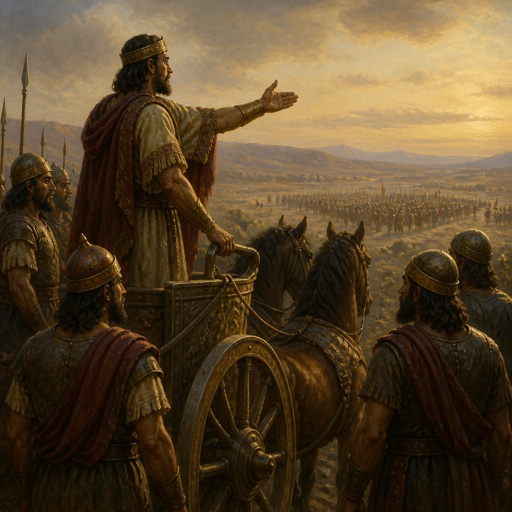
"Now the king of Syria had commanded the captains of the chariots that were with him, saying, Fight ye not with small or great, save only with the king of Israel." - 2 Chronicles 18:30