The Fire of Glory: Encountering God's Presence
“Now when Solomon had made an end of praying, the fire came down from heaven, and consumed the burnt offering and the sacrifices; and the glory of the LORD filled the house.” — 2 Chronicles 7:1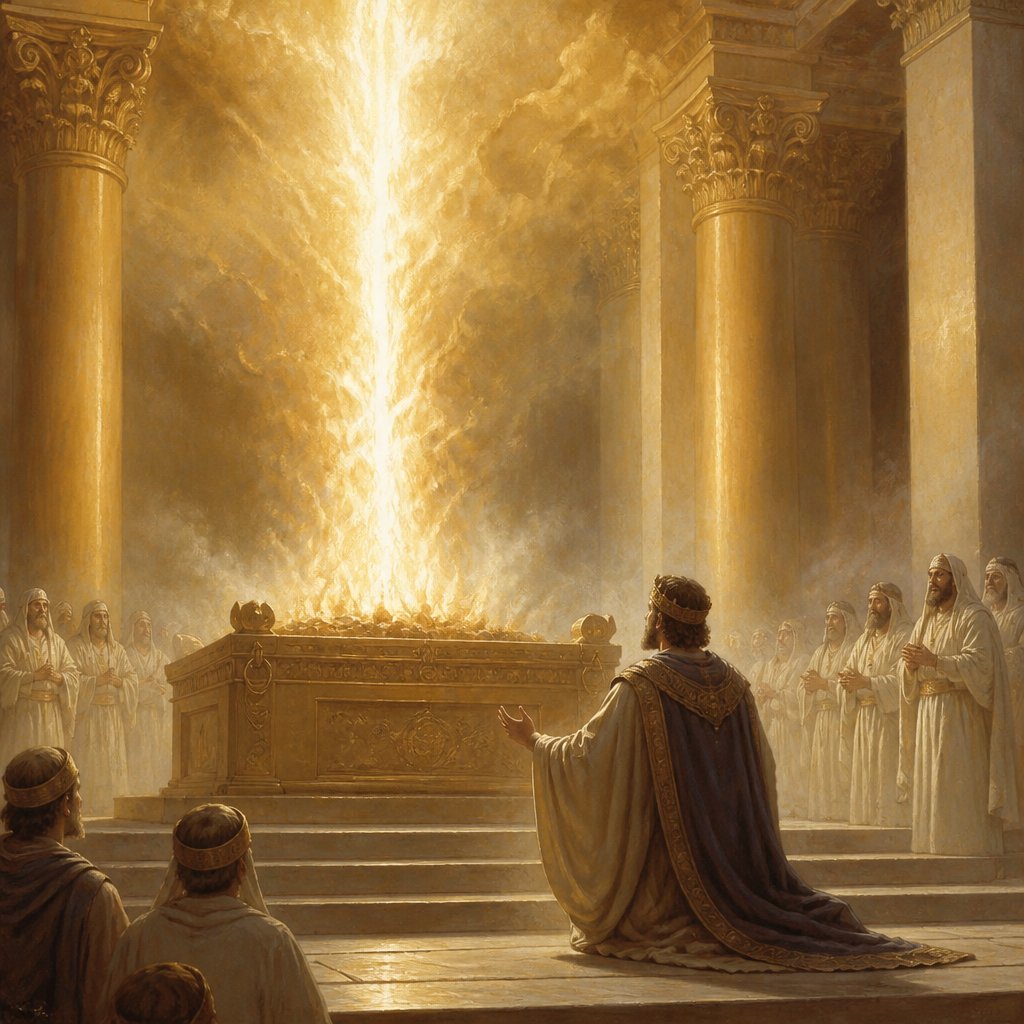
When we delve into the narrative of 2 Chronicles 7:1, we are transported to a pivotal moment in the history of Israel—a moment filled with promise, presence, and divine approval. The verse reads: “Now when Solomon had made an end of praying, the fire came down from heaven, and consumed the burnt offering and the sacrifices; and the glory of the LORD filled the house.” This passage encapsulates not only the dedication of Solomon's temple but also serves as a powerful illustration of what it means to encounter the presence of God.
To understand the significance of this moment, we must first appreciate the context in which it occurs. Solomon, the son of David, had just completed the monumental task of building the temple—a place where the Israelites could come to worship, sacrifice, and commune with God. The construction of the temple was not merely a physical endeavor; it was the culmination of a divine promise. God had chosen this temple as His dwelling place among His people. Thus, Solomon’s elaborate prayers of dedication were not only an expression of thanks but also a profound acknowledgment of what was to come.
When Solomon finished praying, he didn’t simply close his eyes and walk away. His prayer was a heartfelt plea for God’s presence, mercy, and guidance over the nation of Israel. In Solomon’s heart, he sought nothing less than a manifestation of God’s glory and a confirmation of His covenant faithfulness. And what transpired next was nothing short of spectacular: “the fire came down from heaven.” This fire wasn’t an ordinary flame; rather, it was a divine fire—a tangible indication of God’s acceptance and blessing.
We must ask ourselves, what is this fire symbolizing? In Scripture, fire often represents purity, holiness, and the presence of God. It purifies the sacrifice presented to Him; it is a consuming force that changes everything in its path. This divine fire coming down to consume the offerings represented God’s satisfaction with Solomon’s prayer and Israel’s sacrifices. God was affirming that He was pleased, that He was with His people. The impact of this moment was profound: not only did it solidify the temple as God’s dwelling place, but it also drew the attention of the entire nation.
Following the descent of the fire, we read that “the glory of the LORD filled the house.” The Hebrew word for glory here is "kabod," which means weighty or heavy—denoting God’s immense presence. The fullness of God’s glory filling the temple was an overwhelming sight, resulting in awe and reverence from all who witnessed it. In moments where God shows up in power, there is invariably a response from His creation—an acknowledgment of His holiness that challenges us to respond in kind.
For us today, this passage invites introspection about our own prayers and offerings. Are we approaching God with the kind of heart and intention that Solomon displayed? Are we seeking to fill our lives with the glory of the LORD? What would it look like if, after we prayed, we were met with divine responses—fire from heaven that consumes our sacrifices and fills our lives with His glory?
Furthermore, this passage reminds us that true worship involves sacrifice. As New Testament believers, we don’t bring burnt offerings to the altar in the same way they did in the Old Testament. Instead, Paul reminds us in Romans 12:1 to present our bodies as living sacrifices, holy and acceptable to God. Are we living lives that invite God’s presence? Are we willing to lay aside our burdens, ambitions, and even our fears to make room for Him?
Let us, therefore, become people of prayer who invite the presence of God in our gatherings and personal devotion. Just as Solomon’s dedication led to a monumental divine encounter, so too can our earnest prayers lead to transformative experiences with the living God. As we seek Him, may the fire of His glory consume us, changing our hearts, igniting our spirits, and illuminating the world around us with His unmatched love and light. Amen.
Get our apps


Artwork for 2 Chronicles 7:1

"Now when Solomon had made an end of praying, the fire came down from heaven, and consumed the burnt offering and the sacrifices; and the glory of the LORD filled the house." - 2 Chronicles 7:1

2 Chronicles 7:1 - "Now when Solomon had made an end of praying, the fire came down from heaven, and consumed the burnt offering and the sacrifices; and the glory of the LORD filled the house."
"Now when Solomon had made an end of praying, the fire came down from heaven, and consumed the burnt offering and the sacrifices; and the glory of the LORD filled the house." - 2 Chronicles 7:1

1 Chronicles 7:1 - "Now the sons of Issachar were, Tola, and Puah, Jashub, and Shimron, four."

1 Chronicles 2:7 - "And the sons of Carmi; Achar, the troubler of Israel, who transgressed in the thing accursed."

2 chronicles 7:14

2 chronicles 7:14

2 Chronicles 1:7 - "¶ In that night did God appear unto Solomon, and said unto him, Ask what I shall give thee."
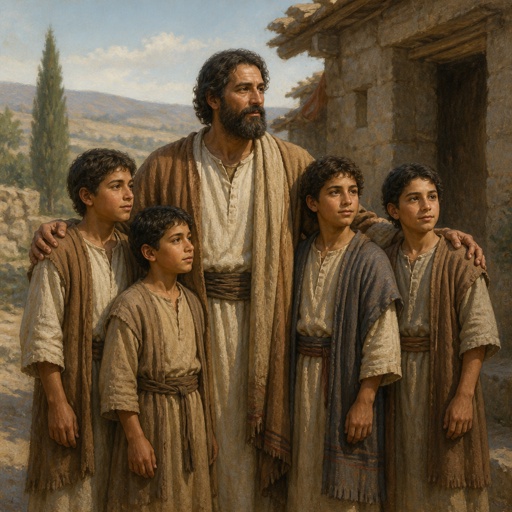
"Now the sons of Issachar were, Tola, and Puah, Jashub, and Shimron, four." - 1 Chronicles 7:1

2 Chronicles 11:7 - "And Beth-zur, and Shoco, and Adullam,"

1 Chronicles 1:7 - "And the sons of Javan; Elishah, and Tarshish, Kittim, and Dodanim."

Humble ourselves and pray 2 Chronicles 7:14

1 Chronicles 14:7 - "And Elishama, and Beeliada, and Eliphalet."

1 Chronicles 3:7 - "And Nogah, and Nepheg, and Japhia,"

"And the sons of Carmi; Achar, the troubler of Israel, who transgressed in the thing accursed." - 1 Chronicles 2:7

1 Chronicles 23:7 - "¶ Of the Gershonites were, Laadan, and Shimei."

1 Chronicles 7:39 - "And the sons of Ulla; Arah, and Haniel, and Rezia."

1 Chronicles 7:38 - "And the sons of Jether; Jephunneh, and Pispah, and Ara."

1 Chronicles 12:7 - "And Joelah, and Zebadiah, the sons of Jeroham of Gedor."

2 Chronicles 7:4 - "¶ Then the king and all the people offered sacrifices before the LORD."

2 Chronicles 7:2 - "And the priests could not enter into the house of the LORD, because the glory of the LORD had filled the LORD'S house."

1 Chronicles 7:6 - "¶ The sons of Benjamin; Bela, and Becher, and Jediael, three."

1 Chronicles 4:7 - "And the sons of Helah were, Zereth, and Jezoar, and Ethnan."

1 Chronicles 7:34 - "And the sons of Shamer; Ahi, and Rohgah, Jehubbah, and Aram."

1 Chronicles 6:7 - "Meraioth begat Amariah, and Amariah begat Ahitub,"

1 Chronicles 7:37 - "Bezer, and Hod, and Shamma, and Shilshah, and Ithran, and Beera."

1 Chronicles 7:27 - "Non his son, Jehoshua his son."

1 Chronicles 1:2 - "Kenan, Mahalaleel, Jered,"

1 Chronicles 7:32 - "And Heber begat Japhlet, and Shomer, and Hotham, and Shua their sister."

1 Chronicles 21:7 - "And God was displeased with this thing; therefore he smote Israel."