Trusting Beyond Our Strength
“For we would not, brethren, have you ignorant of our trouble which came to us in Asia, that we were pressed out of measure, above strength, insomuch that we despaired even of life: But we had the sentence of death in ourselves, that we should not trust in ourselves, but in God which raiseth the dead:” — 2 Corinthians 1:8-9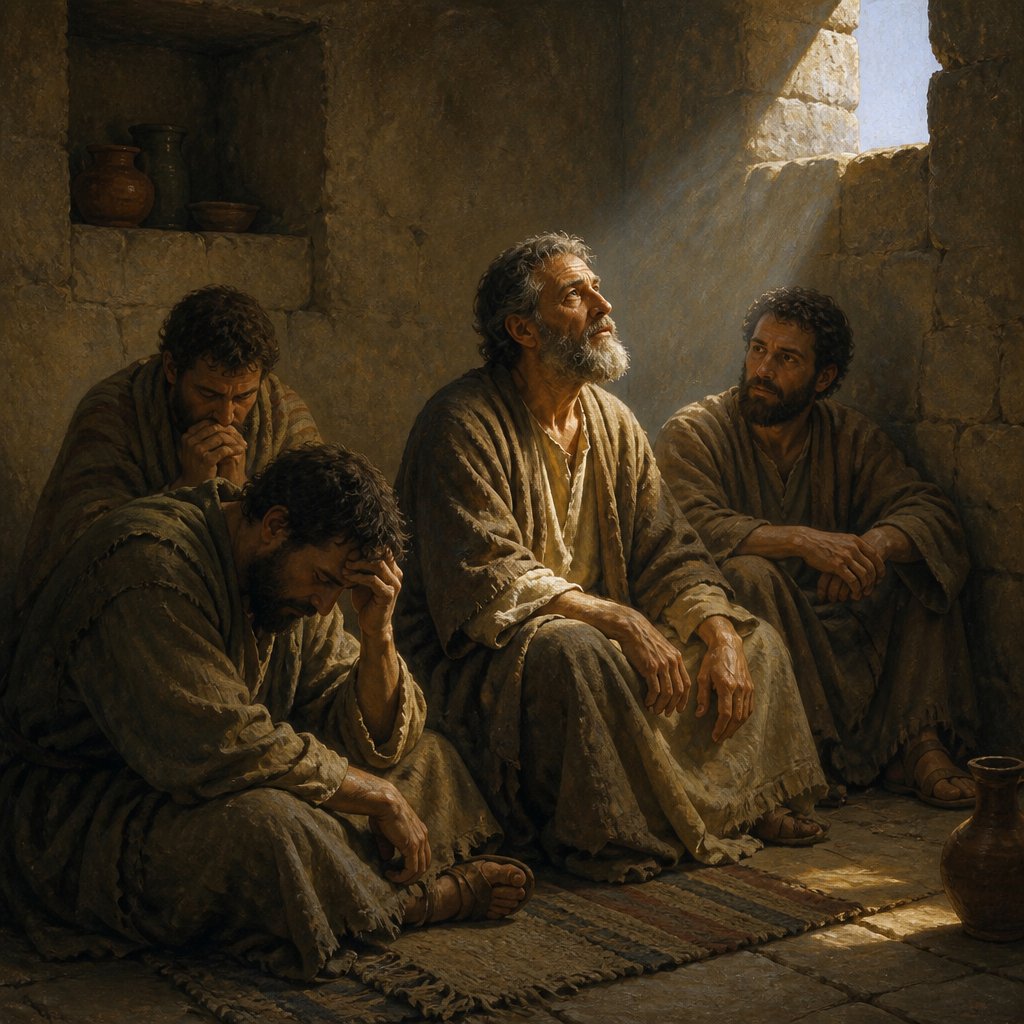
In the passage from 2 Corinthians 1:8-9 (KJV), the Apostle Paul offers a profound reflection on the trials and tribulations faced by him and his companions during their mission in Asia. The verse resonates deeply with many believers who experience overwhelming challenges in their own lives. Paul writes, "For we would not, brethren, have you ignorant of our trouble which came to us in Asia, that we were pressed out of measure, above strength, insomuch that we despaired even of life: But we had the sentence of death in ourselves, that we should not trust in ourselves, but in God which raiseth the dead."
### The Weight of Suffering
Paul begins by acknowledging the gravity of the struggles he and his fellow missionaries endured. They were “pressed out of measure, above strength.” This phrase vividly captures the feeling of being crushed by circumstances that are entirely beyond one’s ability to cope. In our own lives, we can relate to moments when burdens feel too heavy to bear, whether it be through illness, loss, financial strain, or relational conflicts.
Paul is earnest in wanting his readers not to be ignorant of their hardships. He emphasizes vulnerability by sharing their distress openly. It is a powerful reminder that even leaders in faith experience profound moments of suffering and despair. The admission of despair illustrates the raw, human experience behind the spiritual call. It is easy to forget that even those who proclaim faith can feel overwhelmed by life’s challenges. In sharing this, Paul invites us to embrace authenticity in our faith journeys.
### The Purpose of Despair
However, Paul does not just recount a story of defeat; he uncovers the deeper purpose behind their despair. He states, “But we had the sentence of death in ourselves.” This striking statement reflects a realization that their trials served a critical purpose: to teach them not to rely on their own strength. In essence, Paul found meaning in his suffering, recognizing it as an opportunity to turn away from self-sufficiency and towards utter dependence on God.
This fundamental shift is essential for spiritual growth. Often, we face trials that seem insurmountable, leading to a realization that our human resources are insufficient. We might spend our lives striving to appear strong or have it all together, yet when we face adversity, we come to a humbling conclusion. We cannot save ourselves. We cannot handle every challenge independently.
### Trusting in the God Who Resurrects
Paul emphasizes trust in “God which raiseth the dead.” This phrase encapsulates the essence of Christian hope. The God we serve is not just a deity who passively observes our suffering; He is the One who brings life from death, the One who restores and transforms circumstances beyond our comprehension. The trials we endure can seem final, but through faith, we know that they are not the end of the story. God is a God of resurrection, continuously at work in our lives, even when we cannot see it.
When faced with challenges, we have a choice: we can wallow in fear and despair, or we can turn our eyes to God. When we cast our burdens upon Him, there is a peace that surpasses understanding that can arise even amidst chaos. This trust is not an absence of pain but the acknowledgement of a greater outcome—a promise that through trials, we are being refined, transformed, and prepared for greater purposes.
### Conclusion
As you reflect on this scripture today, consider where you might feel pressed beyond your strength. Acknowledge your struggles, but do not stop there. Remember Paul’s lesson: despair can lead us to a deeper reliance on God. Embrace your challenges, and let them drive you into the arms of the God who raises the dead. Trust not in your own strength but in the limitless power of Him who can breathe life into every death you face. Stand firm in this truth and allow it to shape your perspective, for every trial can shape us into the likeness of Christ, revealing His glory through our weaknesses.
Get our apps


Artwork for 2 Corinthians 1:8-9

2 Corinthians 1:8-9 - "For we do not want you to be unaware, brothers, of the affliction we experienced in Asia. For we were so utterly burdened beyond our strength that we despaired of life itself. Indeed, we felt that we had received the sentence of death. But that was to make us rely not on ourselves but on God who raises the dead."
"For we do not want you to be unaware, brothers, of the affliction we experienced in Asia. For we were so utterly burdened beyond our strength that we despaired of life itself. Indeed, we felt that we had received the sentence of death. But that was to make us rely not on ourselves but on God who raises the dead." - 2 Corinthians 1:8-9

1 Corinthians 9:8 - "Say I these things as a man? or saith not the law the same also?"

1 Corinthians 1:8-9 - "He will also keep you firm to the end, so that you will be blameless on the day of our Lord Jesus Christ. God is faithful, who has called you into fellowship with his Son, Jesus Christ our Lord."

1 Corinthians 8:9 - "But take heed lest by any means this liberty of your's become a stumblingblock to them that are weak."

2 Corinthians 4:8-9 - "We are hard pressed on every side, but not crushed; perplexed, but not in despair; persecuted, but not abandoned; struck down, but not destroyed."

2 Corinthians 4:8-9 (KJV) 8 We are troubled on every side, yet not distressed; we are perplexed, but not in despair; 9 Persecuted, but not forsaken; cast down, but not destroyed;

2 Corinthians 9:1 - "For as touching the ministering to the saints, it is superfluous for me to write to you:"

2 Corinthians 1:8 - "For we would not, brethren, have you ignorant of our trouble which came to us in Asia, that we were pressed out of measure, above strength, insomuch that we despaired even of life:"

Ephesians 2:8-9

ephesians 2 8-9

2 Corinthians 9:9

2 Corinthians 8:1 - "Moreover, brethren, we do you to wit of the grace of God bestowed on the churches of Macedonia;"

1 Corinthians 2:8 - "Which none of the princes of this world knew: for had they known it, they would not have crucified the Lord of glory."

2 Corinthians 9:8 - "And God is able to make all grace abound toward you; that ye, always having all sufficiency in all things, may abound to every good work:"

2 Corinthians 1:9 - "But we had the sentence of death in ourselves, that we should not trust in ourselves, but in God which raiseth the dead:"

1 Corinthians 9:2 - "If I be not an apostle unto others, yet doubtless I am to you: for the seal of mine apostleship are ye in the Lord."

"Say I these things as a man? or saith not the law the same also?" - 1 Corinthians 9:8

2 Corinthians 8:9 - "For ye know the grace of our Lord Jesus Christ, that, though he was rich, yet for your sakes he became poor, that ye through his poverty might be rich."

1 Corinthians 8:2 - "And if any man think that he knoweth any thing, he knoweth nothing yet as he ought to know."

2 Corinthians 4:8-9: "We are hard pressed on every side, but not crushed; perplexed, but not in despair; persecuted, but not abandoned; struck down, but not destroyed."

1 Corinthians 9:25-27

1 Corinthians 9:25-27

2 Corinthians 4:8-9: "We are hard pressed on every side, but not crushed; perplexed, but not in despair; persecuted, but not abandoned; struck down, but not destroyed."

1 Corinthians 9:25-27

1 Corinthians 9:25-27

2 Corinthians 12:9

2 Corinthians 12:9

2 Corinthians 12:9
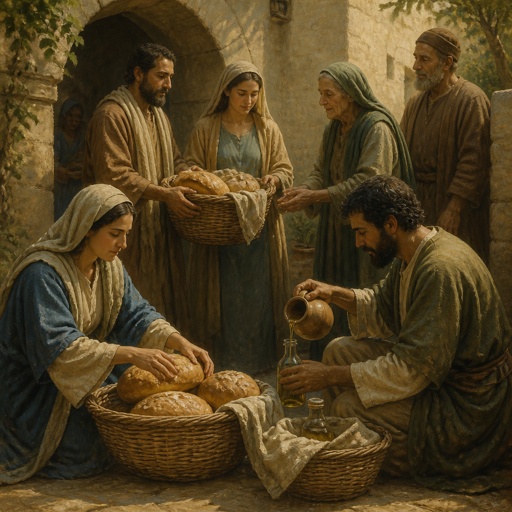
"For as touching the ministering to the saints, it is superfluous for me to write to you:" - 2 Corinthians 9:1