Manifesting Knowledge in Our Rude Speech
“But though I be rude in speech, yet not in knowledge; but we have been throughly made manifest among you in all things.” — 2 Corinthians 11:6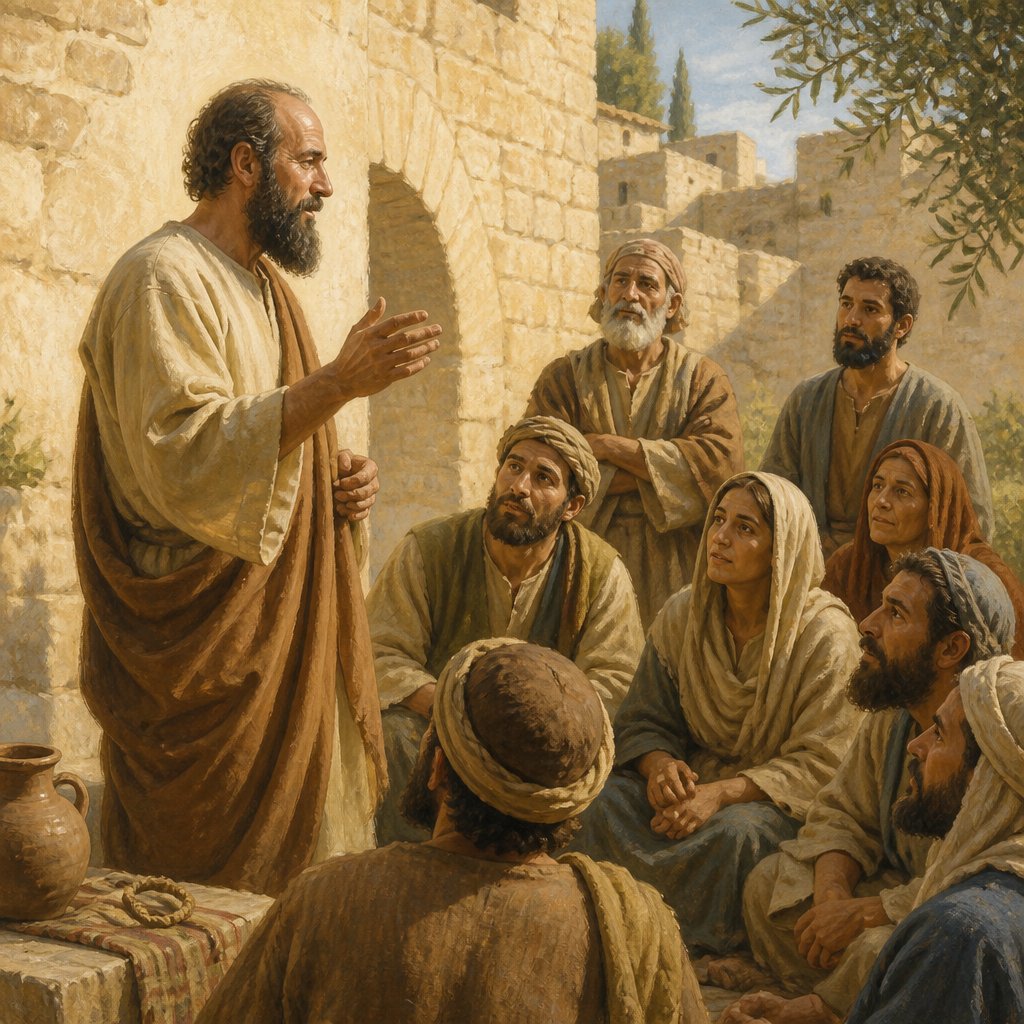
In the world of communication, clarity and eloquence are often prized above all else. As we navigate conversations, especially in matters of faith, we can easily get caught up in the performance aspect of our speech—wanting to sound knowledgeable, articulate, and polished. Yet, in 2 Corinthians 11:6, the Apostle Paul addresses this very thing, stating, "But though I be rude in speech, yet not in knowledge; but we have been thoroughly made manifest among you in all things." This verse serves as a rich reminder that our understanding and the essence of our message matter far more than our rhetorical flair.
When Paul speaks of being "rude in speech," he does not mean rude in the sense of being offensive or disrespectful. Instead, he refers to a lack of polished eloquence and sophistication in his communications. It is a poignant reminder for all of us who feel inadequate in our ability to convey the truths of our faith. The beauty of Paul's statement lies in his conviction that knowledge and understanding transcend the superficiality of eloquent speech. He had firsthand experience with the transformative power of the Gospel and was wholly committed to conveying its truth to the Corinthian church—even when his delivery might not have been sophisticated.
In our personal context, how many times have we felt ill-equipped to share our faith simply because we lack the vocabulary or the confidence that others convey? We might hesitate to speak, feeling that we may not shine as brightly as those who are gifted orators. However, Paul’s acknowledgment of his own shortcomings provides us reassurance. Our authenticity and the truth we embody can shine through, regardless of how polished our speech may be. The message of Christ can spill out through our lives, our actions, and even our humble attempts at vocalizing our experiences.
Further, the latter part of the verse speaks volumes: "but we have been thoroughly made manifest among you in all things." Here, Paul emphasizes that knowledge bears witness effectively through experience and manifestation. What an encouraging thought! Our knowledge of Christ is not merely intellectual assent; it is woven into the fabric of our lives. We manifest knowledge not just through spoken word but through our deeds. This invites us into a richer understanding of the Gospel—one that calls us to embody the teachings of Jesus in how we live out our lives.
As followers of Christ, it is crucial to recognize that while our words may fall short at times, our actions can convey a deep understanding that far exceeds verbal articulation. Each prayer we offer, each act of kindness we extend, and each moment we choose love over judgment acts as a manifestation of the knowledge we possess. Our lives—and more importantly, the work of the Holy Spirit within us—can speak volumes, effectively conveying the love and truth of Jesus Christ.
In contemplating how we share our faith, let us not become discouraged by our perceived limitations. Instead, let us embrace the authenticity of our journey. We can seek to grow in knowledge and understanding, but we must not derail our efforts because we feel we lack the right words. Rather, like Paul, we should rely on the empowerment of the Spirit. Our lives themselves can be a testament to knowledge—lived out fully among others and reflected in every interaction.
As you engage with others, remember to lean into your authenticity. Embrace who you are and how God has shaped you. Speak from a place of knowledge rooted in your experience with God, allowing Him to use your 'rudeness' in speech to share profound truths. After all, it is not the art of the orator, but the depth of understanding and the witness of our transformed lives that ultimately resonates in the hearts of those we wish to reach.
Let us pray: Heavenly Father, help us to recognize the power of the knowledge you have imparted to us. Give us courage to share our experience authentically, even when our words fall short. May our lives speak louder than our speech, reflecting your love and grace to those around us. Amen.
Get our apps


Artwork for 2 Corinthians 11:6

2 Corinthians 11:6 - "But though I be rude in speech, yet not in knowledge; but we have been throughly made manifest among you in all things."
"But though I be rude in speech, yet not in knowledge; but we have been throughly made manifest among you in all things." - 2 Corinthians 11:6

2 Corinthians 6:11 - "O ye Corinthians, our mouth is open unto you, our heart is enlarged."

"O ye Corinthians, our mouth is open unto you, our heart is enlarged." - 2 Corinthians 6:11

2 Corinthians 4:6

2 Corinthians 4:6

2 Corinthians 4:6

2 Corinthians 4:6

2 Corinthians 4:6

2 Corinthians 4:6

2 Corinthians 4:6

2 Corinthians 4:6

2 Corinthians 4:6

2 Corinthians 4:6

2 Corinthians 4:6

2 Corinthians 4:6

2 Corinthians 4:6

2 Corinthians 4:6

2 Corinthians 4:6

2 Corinthians 11:11 - "Wherefore? because I love you not? God knoweth."

2 Corinthians 2:6 - "Sufficient to such a man is this punishment, which was inflicted of many."

2 Corinthians 3:6

2 Corinthians 6:6 - "By pureness, by knowledge, by longsuffering, by kindness, by the Holy Ghost, by love unfeigned,"

2 Corinthians 3:6

2 Corinthians 2:11 - "Lest Satan should get an advantage of us: for we are not ignorant of his devices."

2 Corinthians 6:14-18

1 Corinthians 11:6 - "For if the woman be not covered, let her also be shorn: but if it be a shame for a woman to be shorn or shaven, let her be covered."

2 Corinthians 11:14 - "And no marvel; for Satan himself is transformed into an angel of light."

2 Corinthians 6:5 - "In stripes, in imprisonments, in tumults, in labours, in watchings, in fastings;"

2 Corinthians 6:3 - "Giving no offence in any thing, that the ministry be not blamed:"