Unveiling the Glory: Understanding the Veil of Moses
“And not as Moses, which put a vail over his face, that the children of Israel could not stedfastly look to the end of that which is abolished:” — 2 Corinthians 3:13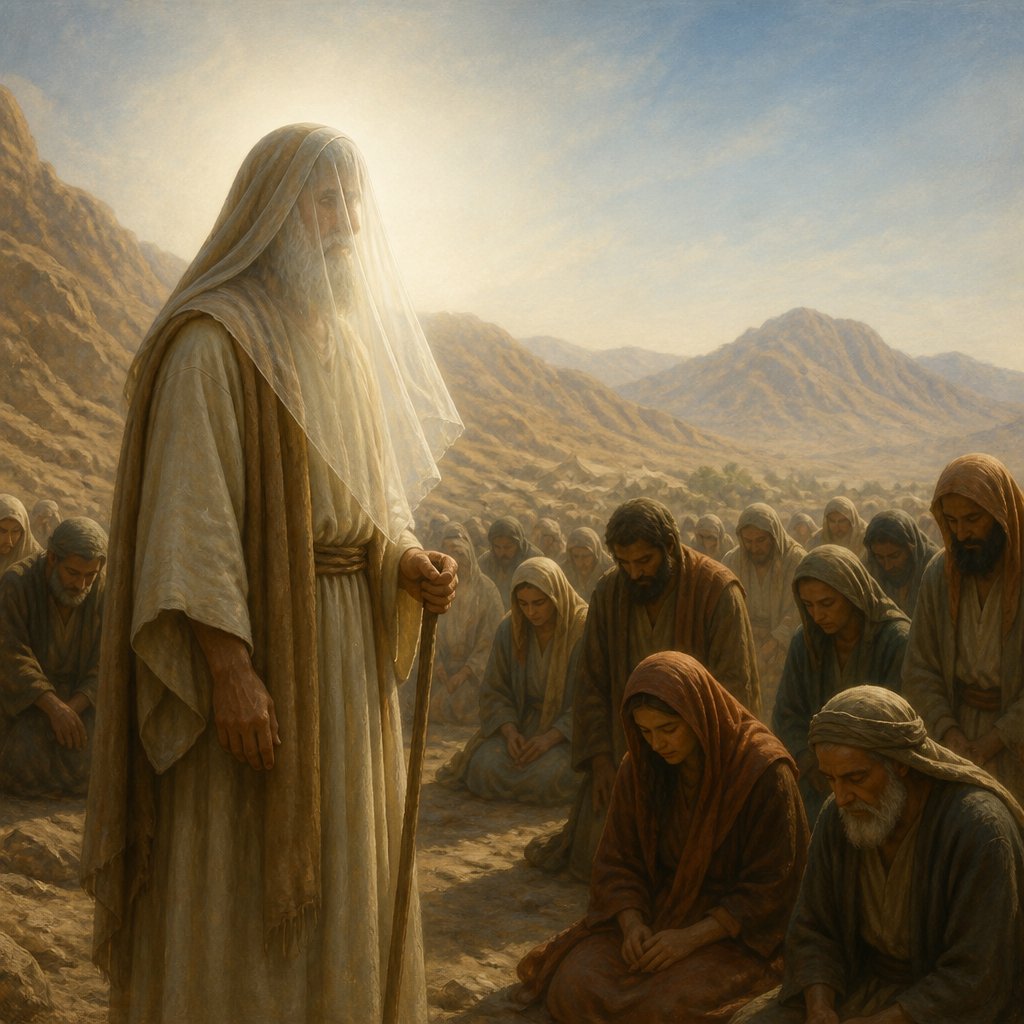
In 2 Corinthians 3:13, the Apostle Paul writes, “And not as Moses, which put a vail over his face, that the children of Israel could not stedfastly look to the end of that which is abolished.” To fully appreciate the meaning behind this verse, we must delve into the biblical context in which it is situated, consider the implications of Moses’ veiling, and explore how it relates to our understanding of Christ and the New Covenant.
In the Old Testament, specifically in Exodus 34, we learn that when Moses came down from Mount Sinai after receiving the Ten Commandments, his face shone with a radiant glory. This physical manifestation of God’s presence left him with a countenance so bright that the Israelites could not gaze upon it. To shield them from the overwhelming brilliance, Moses wore a veil over his face. However, this veil symbolized more than just physical brightness; it represented a deeper spiritual truth: the fading glory of the old covenant, the Law.
Paul contrasts Moses’ experience with the ministry of the Spirit that believers receive through Christ. The veil over Moses' face not only shielded the Israelites from the raw glory of God but also hid the truth that the glory reflected in Moses was temporary—it would eventually fade away. This act of veiling was not merely for the comfort of the people but pointed to a deeper spiritual reality: the limitations of the Law and the need for a new covenant in Jesus Christ.
The crux of Paul’s message in this chapter is the stark difference between the old covenant, which brings condemnation, and the new covenant, which brings life and righteousness (2 Corinthians 3:6). Paul reminds us that under the old covenant, the Israelites were unable to comprehend the full scope of God’s plan of redemption because of the veil that covered their hearts, blinding them to the truth of God’s promise. The apostles knew that this veil was a metaphor for spiritual blindness—a barrier that remains until one turns to the Lord.
When we look at 2 Corinthians 3:14, Paul writes, “But their minds were blinded: for until this day remaineth the same vail untaken away in the reading of the old testament; which vail is done away in Christ.” Through Christ, the veil is lifted. He is the revelation of God’s glory. The writer of Hebrews expresses this beautifully, stating, “Who being the brightness of his glory, and the express image of his person” (Hebrews 1:3). In Christ, the ultimate revelation of God’s love, grace, and mercy, the veil that previously shielded us from the full understanding of God’s heart is removed.
This truth is important not only for our understanding of God’s redemptive plan but also for our day-to-day experience as believers. We often find ourselves living under self-imposed veils, whether it be fear, shame, past failures, or even misinterpretation of the Scriptures that hold us back from the fullness of life God intends for us. In the light of the New Covenant, we are invited to come boldly to the throne of grace (Hebrews 4:16) without the veils that can inhibit our intimacy with God.
As followers of Christ, let us be encouraged to actively seek the removal of any obstacles that prevent us from fully embracing the Word of God. We must not be like the Israelites who could not steadfastly look to the end of that which is abolished. Instead, we should embrace the promise of transformation and renewed covenant that God offers through Christ. By fixing our eyes on Jesus, we unveil the glory of God in our lives, shining brightly in a world that desperately needs to see His light.
In conclusion, let us reflect on the glory unveiled through our Savior. May we pursue Him daily, allowing the Holy Spirit to transform us from glory to glory (2 Corinthians 3:18), as we live out the reality of the new covenant, filled with hope and life beyond what we could ever imagine.
Get our apps


Artwork for 2 Corinthians 3:13
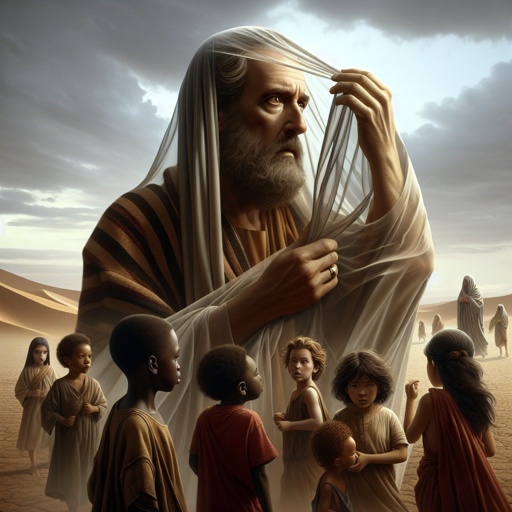
2 Corinthians 3:13 - "And not as Moses, which put a vail over his face, that the children of Israel could not stedfastly look to the end of that which is abolished:"
"And not as Moses, which put a vail over his face, that the children of Israel could not stedfastly look to the end of that which is abolished:" - 2 Corinthians 3:13

2 Corinthians 13:3 - "Since ye seek a proof of Christ speaking in me, which to you-ward is not weak, but is mighty in you."

2 Corinthians 3:6

2 Corinthians 13:13 - "All the saints salute you."

1 Corinthians 12:3-13

2 Corinthians 13

2 Corinthians 3:18

2 Corinthians 3:6

2 corinthians 10:3-5

2 corinthians 10:3-5

2 corinthians 10:3-5

2 corinthians 10:3-5

2 corinthians 10:3-5

2 corinthians 10:3-5

2 corinthians 10:3-5

2 corinthians 10:3-5

2 corinthians 10:3-5

2 corinthians 10:3-5

2 corinthians 10:3-5

2 corinthians 10:3-5

2 Corinthians 13:12 - "Greet one another with an holy kiss."

"All the saints salute you." - 2 Corinthians 13:13

2 Corinthians 13:6 - "But I trust that ye shall know that we are not reprobates."

2 Corinthians 8:13 - "For I mean not that other men be eased, and ye burdened:"

2 Corinthians 13:8 - "For we can do nothing against the truth, but for the truth."

2 corinthians 10:3-5

2 Corinthians 1:3-4

2 Corinthians 11:13 - "For such are false apostles, deceitful workers, transforming themselves into the apostles of Christ."
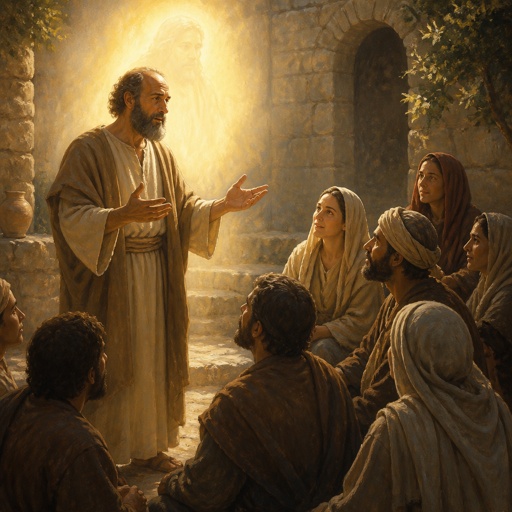
"Since ye seek a proof of Christ speaking in me, which to you-ward is not weak, but is mighty in you." - 2 Corinthians 13:3