The Glorious Veil: Unveiling the Greater Glory
“But if the ministration of death, written and engraven in stones, was glorious, so that the children of Israel could not stedfastly behold the face of Moses for the glory of his countenance; which glory was to be done away:” — 2 Corinthians 3:7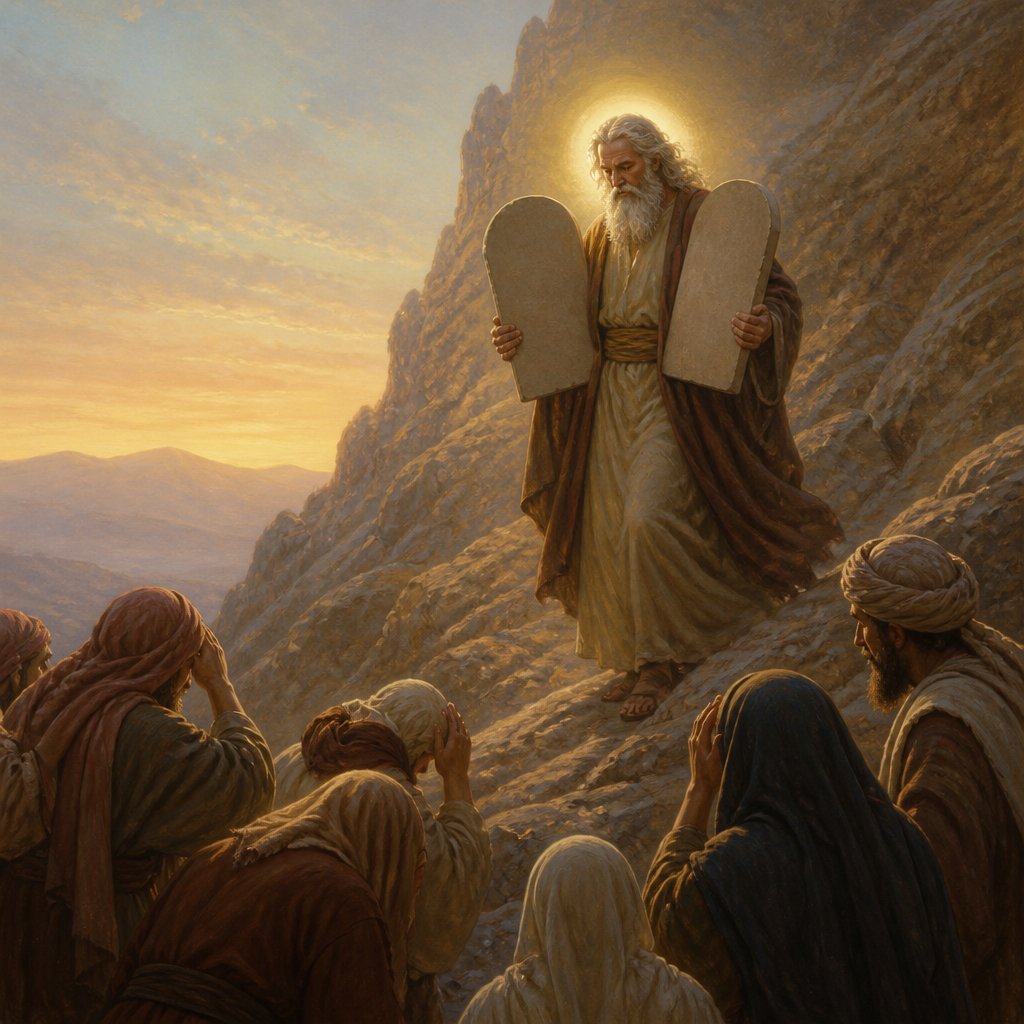
In 2 Corinthians 3:7, we encounter Paul’s profound reflection on the nature of the glory associated with the Old Covenant—a glory that was fading and ultimately destined to be surpassed by something far greater. The verse reads, "But if the ministration of death, written and engraven in stones, was glorious, so that the children of Israel could not stedfastly behold the face of Moses for the glory of his countenance; which glory was to be done away:" (KJV). This scripture invites us to delve deeply into the layers of what it means to live under the new covenant of grace.
First, we must recognize the historical context Paul was addressing. The "ministration of death" refers to the Law given to Moses, which, although glorious, served to reveal sin and the need for redemption. The Law’s purpose was not to grant life but to expose the reality of humanity's fallenness—hence, it is called the ministration of death. When Moses came down from Mount Sinai, his face shone brilliantly with the glory of God. The people could not look straight at him because of this radiance. Interestingly, this glory was temporary; it did not last. Paul argues that if such a fading glory warranted such awe, how much more should we marvel at the glory revealed in the person of Jesus Christ and through the gospel he brought?
The contrast Paul draws here is between the temporary glory of the Old Covenant and the eternal glory of the New Covenant established through Jesus’ life, death, and resurrection. The children of Israel had a tangible experience of God’s presence, yet they could hardly bear to look at Moses because his face shone with the fading glory of the old way. What a picture that paints for us, as a foreshadowing of what Jesus would accomplish! While the Law brought condemnation, the spirit brings life (2 Corinthians 3:6).
As we reflect on this passage, we should consider the implications of living in a world where many cling to the Old Testament law and its prescriptions, unaware of the greater glory offered in Christ. Jesus came to fulfill the Law, to embody grace and truth (John 1:14). In Him, we find not just the reflection of God’s glory, but the fullness of it. We do not have to veil our faces or hide from God, nor do we have to rely on human mediators. Instead, we can boldly approach the throne of grace (
Hebrews 4:16), unveiled and free, because we have been received as children of God.
However, it is essential for us to acknowledge the temptation to revert to legalism, the organization of our lives around rules rather than relationship. Many today experience a ministration of death in their striving for acceptance and approval through human efforts, trying to earn God's favor through deeds, rather than embracing the gift of righteousness through Christ. Like the children of Israel who could not behold Moses’ face, they live under a veil, unable to experience the fullness of joy in their relationship with the Father.
Through Christ, that veil has been torn. We now have the privilege of running towards Him in our imperfections, fully known and accepted. We must each examine our hearts and ask whether we are truly living in this New Covenant awareness. Are we living in the light of His glory, or are we settling for the shadow of the past?
In conclusion, let us embrace this new life available to us in Christ, living in the glorious freedom of His grace. Just as the glory that rested upon Moses was but a shadow, we now stand under the brilliant light of God’s grace, empowered by the Holy Spirit to reflect His glory in a world in need of redemption. May our lives be so filled with His glory that others, too, cannot help but notice the difference—a radiant, life-giving light that dispels darkness and brings hope.
Let us rejoice today in the surpassing glory that is ours, laid bare for all who believe, and may we live as vessels of this beautiful truth!
Get our apps


Artwork for 2 Corinthians 3:7

2 Corinthians 3:7 - "But if the ministration of death, written and engraven in stones, was glorious, so that the children of Israel could not stedfastly behold the face of Moses for the glory of his countenance; which glory was to be done away:"
"But if the ministration of death, written and engraven in stones, was glorious, so that the children of Israel could not stedfastly behold the face of Moses for the glory of his countenance; which glory was to be done away:" - 2 Corinthians 3:7

2 Corinthians 7:3 - "I speak not this to condemn you: for I have said before, that ye are in our hearts to die and live with you."

2 Corinthians 3:6

2 Corinthians 3:18

2 Corinthians 3:6

2 corinthians 10:3-5

2 corinthians 10:3-5

2 corinthians 10:3-5

2 corinthians 10:3-5

2 corinthians 10:3-5

2 corinthians 10:3-5

2 corinthians 10:3-5

2 corinthians 10:3-5

2 corinthians 10:3-5

2 corinthians 10:3-5

2 corinthians 10:3-5

2 corinthians 10:3-5

2 Corinthians 7:10

2 Corinthians 12:7

2 Corinthians 12:7

2 Corinthians 12:7

2 Corinthians 12:7

2 Corinthians 5:7 - "(For we walk by faith, not by sight:)"

2 corinthians 10:3-5

1 Corinthians 3:7 - "So then neither is he that planteth any thing, neither he that watereth; but God that giveth the increase."

2 Corinthians 1:3-4

1 Corinthians 7:3 - "Let the husband render unto the wife due benevolence: and likewise also the wife unto the husband."

2 Corinthians 6:3 - "Giving no offence in any thing, that the ministry be not blamed:"

2 Corinthians 3:2 - "Ye are our epistle written in our hearts, known and read of all men:"