The Weight of Divine Judgment: A Reflection on 2 Kings 1:4
“Now therefore thus saith the LORD, Thou shalt not come down from that bed on which thou art gone up, but shalt surely die. And Elijah departed.” — 2 Kings 1:4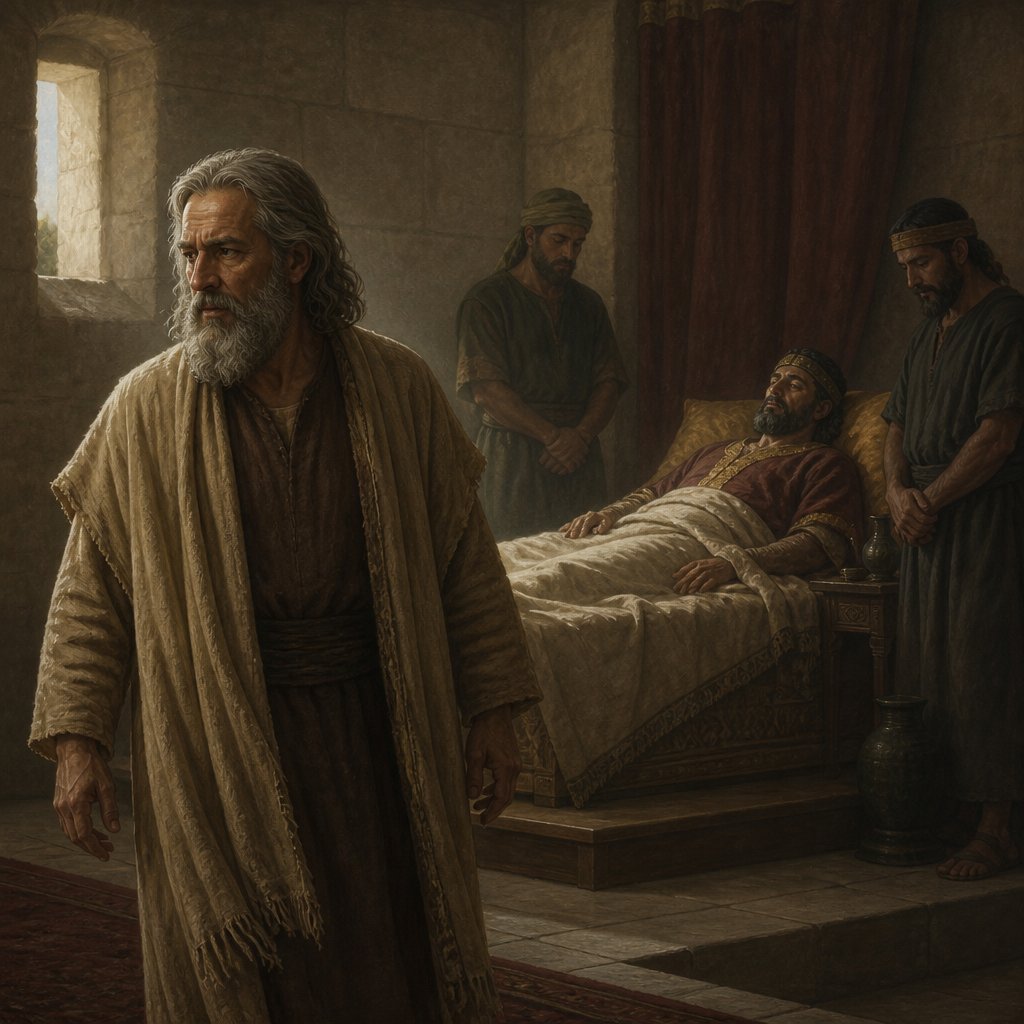
The story of King Ahaziah, found in 2 Kings 1:4, is a profound account of divine judgment intertwined with the themes of authority, disobedience, and the inescapable consequences of our choices. The verse states: "Now therefore thus saith the LORD, Thou shalt not come down from that bed on which thou art gone up, but shalt surely die. And Elijah departed." This pronouncement reveals the sovereignty of God and highlights the importance of recognizing His authority over our lives.
As we delve into this scripture, it's crucial to understand the context surrounding Ahaziah's predicament. The king had suffered a severe injury and, instead of seeking the Lord for guidance or healing, he turned to Baal-zebub, the god of Ekron, in a search for divine assistance. This act was not merely a misstep; it was a rebellion against the one true God. Ahaziah's actions represented a deep spiritual decline, indicative of a king who had abandoned the covenant with God that had been established by his predecessors.
When Elijah, the prophet of the Lord, interrupts Ahaziah's inquiry to Baal, he delivers a grave message from God. "Thou shalt not come down from that bed... but shalt surely die." The implications of these words are significant, emphasizing that there is a point of no return when one persistently rejects God and chooses to follow falsehoods. Here lies a powerful lesson for us: God is patient, but His judgment is certain.
The bed represents a place of comfort, yet it is also a confinement for Ahaziah. While he laid there, he was not in a position of influence or power; instead, he was in a vulnerable state. This imagery compels us to reflect on our own lives. Are there areas where we are comfortable but stationary, perhaps spiritually slumbering while avoiding the call of God? Comfort can be a double-edged sword— it can lull us into passivity, keeping us from responding to God’s command to rise and walk in faith.
Elijah's departure after delivering the message serves as a poignant reminder of the urgency that often accompanies divine messages. There is a time to hear, a time to respond, and a time when the consequence of our choices becomes irrevocable. God's words through Elijah were not merely a threat; they were a serious and sobering truth reflecting God’s righteous judgment. In reminding us that we hold the responsibility for our decisions, it emphasizes that neglecting to seek Him can lead to dire spiritual and physical outcomes.
This passage invites us to assess our own spiritual walk. Are we like Ahaziah, seeking help from the world or false idols when we find ourselves in trouble? Perhaps we look to social media for affirmation instead of to God’s Word, or we place our trust in new-age philosophies rather than the timeless truths of scripture. The stark reality of this story urges us to seek God with our whole hearts and to reject anything that comes between us and our Creator.
In contemplating God's message to Ahaziah, we should also reflect on our response to God's directives in our lives. Do we treat God's counsel with the urgency and respect it deserves, or do we take His guidance lightly? How we respond to His voice can dictate our path and eventual fate.
The closing note of this passage remains with a sense of finality as Ahaziah would, indeed, succumb to the judgment pronounced by the Lord. However, we can take solace in the knowledge that our God is merciful to those who repent and seek Him earnestly. As we ponder upon this verse, let us ensure we align our hearts with God's Word, seeking Him first in every circumstance of our lives, so we may never have to hear such a solemn decree echo through our own lives. May we always look up, rather than down, avoiding the fate of those who forsake the divine for the mundane.
Get our apps


Artwork for 2 Kings 1:4

2 Kings 1:4 - "Now therefore thus saith the LORD, Thou shalt not come down from that bed on which thou art gone up, but shalt surely die. And Elijah departed."
"Now therefore thus saith the LORD, Thou shalt not come down from that bed on which thou art gone up, but shalt surely die. And Elijah departed." - 2 Kings 1:4

1 Kings 4:2 - "And these were the princes which he had; Azariah the son of Zadok the priest,"

2 Kings 4:4-5

1 Kings 1:4 - "And the damsel was very fair, and cherished the king, and ministered to him: but the king knew her not."

1 Kings 4:1 - "So king Solomon was king over all Israel."
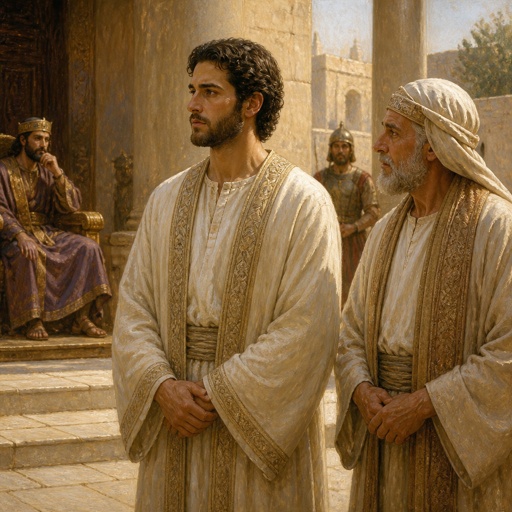
"And these were the princes which he had; Azariah the son of Zadok the priest," - 1 Kings 4:2

1 Kings 4:4 - "And Benaiah the son of Jehoiada was over the host: and Zadok and Abiathar were the priests:"

2 Kings 10:4 - "But they were exceedingly afraid, and said, Behold, two kings stood not before him: how then shall we stand?"

1 Kings 4:18 - "Shimei the son of Elah, in Benjamin:"

2 Kings 1:1 - "Then Moab rebelled against Israel after the death of Ahab."

1 Kings 4:17 - "Jehoshaphat the son of Paruah, in Issachar:"

2 Kings 19:2

2 Kings 19:2

2 Kings 19:2

1 Kings 4:8 - "And these are their names: The son of Hur, in mount Ephraim:"

1 Kings 4:14 - "Ahinadab the son of Iddo had Mahanaim:"

1 Kings 4:16 - "Baanah the son of Hushai was in Asher and in Aloth:"

1 Kings 6:4 - "And for the house he made windows of narrow lights."

1 Kings 4:34 - "And there came of all people to hear the wisdom of Solomon, from all kings of the earth, which had heard of his wisdom."

2 Kings 4:11 - "And it fell on a day, that he came thither, and he turned into the chamber, and lay there."

2 Kings 6:4 - "So he went with them. And when they came to Jordan, they cut down wood."

2 Kings 9:4 - "¶ So the young man, even the young man the prophet, went to Ramoth-gilead."

1 Kings 4:6 - "And Ahishar was over the household: and Adoniram the son of Abda was over the tribute."

2 Kings 16:4 - "And he sacrificed and burnt incense in the high places, and on the hills, and under every green tree."

2 Kings 4:33 - "He went in therefore, and shut the door upon them twain, and prayed unto the LORD."

1 Kings 4:15 - "Ahimaaz was in Naphtali; he also took Basmath the daughter of Solomon to wife:"

1 Kings 4:10 - "The son of Hesed, in Aruboth; to him pertained Sochoh, and all the land of Hepher:"

1 Kings 4:9 - "The son of Dekar, in Makaz, and in Shaalbim, and Beth-shemesh, and Elon-beth-hanan:"

1 Kings 7:4 - "And there were windows in three rows, and light was against light in three ranks."