The Cost of Compromise: A Call to Purity in Worship
“And Jehu sent through all Israel: and all the worshippers of Baal came, so that there was not a man left that came not. And they came into the house of Baal; and the house of Baal was full from one end to another.” — 2 Kings 10:21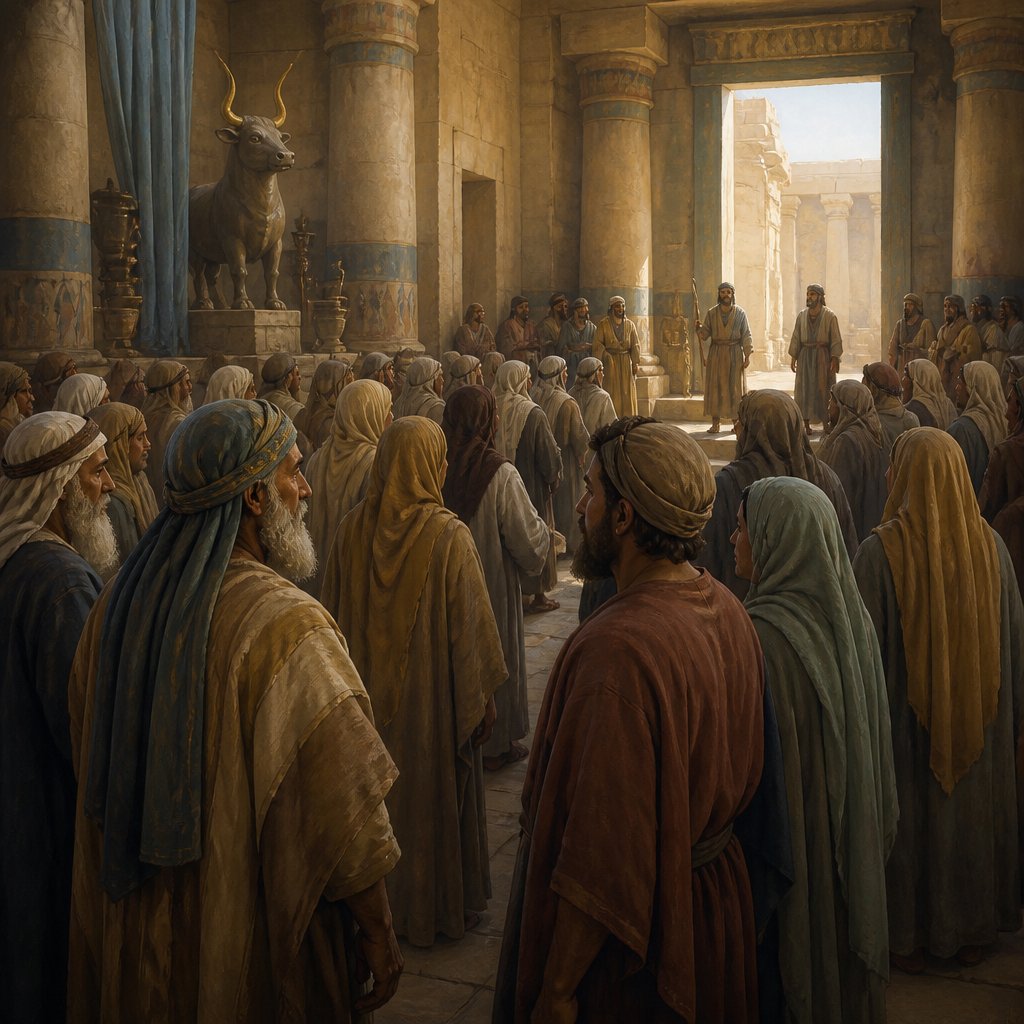
In the annals of the Old Testament, few narratives are as striking as that of Jehu’s purging of the worshippers of Baal in 2 Kings 10:21. The verse states, "And Jehu sent through all Israel: and all the worshippers of Baal came, so that there was not a man left that came not. And they came into the house of Baal; and the house of Baal was full from one end to another." This scene is not merely a historical account; it speaks powerfully to the modern believer about the nature of worship, the dangers of idolatry, and the call to purity in our devotion to God.
Jehu was anointed by God for a specific mission: to eradicate Baal worship from Israel, a practice that had infiltrated and corrupted the worship of Yahweh. The worship of Baal was characterized by excess, immorality, and a blatant disregard for the covenant that God had made with His people. As Jehu sent forth his proclamation, the response from the worshippers of Baal was immediate and total. This event underscores the intensity of their commitment to a god that was, in truth, no god at all. The sheer number of worshippers that gathered in the house of Baal reflects a chilling reality—when a culture compromises its devotion to God, it binds itself to falsehood with fervent enthusiasm.
This historical account prompts us to reflect deeply on the cautions it provides for our spiritual journey. Just as the Israelites had been seduced by Baal, we too can find ourselves influenced by the seductive call of modern 'gods'—materialism, success, popularity, and self-indulgence. These modern idols clamor for our attention and allegiance, much like Baal did in ancient Israel. The house of Baal being full symbolizes not only the extent of their misguided worship but also the potential fullness of our own hearts if we are not vigilant against compromise.
Jehu's actions were radical and rooted in righteousness. His fervor for purging idolatry was born out of a desire to restore Israel’s exclusive allegiance to the one true God. The zeal he exhibited can inspire us today as we contend against the competing allegiances in our lives. Are we willing to stand up against the tide of cultural compromise that often leads to spiritual dilution? Jehu did not waver; he took necessary steps—uncompromising and bold—to cleanse the land of its idolatry. This should encourage us in our own battles against sin and worldly distractions.
Further, we see that at the center of this confrontation was the house of Baal—it was a temple, a place designated for worship. The momentous gathering of all worshippers emphasizes the gravity of worship. Worship is not a trivial act; it holds profound significance, determining not only our personal lives but also the trajectory of communities and nations. In our worship today, we must invite a similar measure of scrutiny. Are we worshipping in spirit and truth, or are we unknowingly participating in forms of worship that distract us from God? It is crucial to evaluate our practices and motives—are we filling our own hearts with the fullness of God, or with false doctrines disguised as the truth?
The story of Jehu ultimately points towards a redemptive call. While God’s judgment on idolatry was fierce, it also revealed His desire for a pure relationship with His people. God desires our hearts wholly. The temple of our worship should be filled, not with the idols of our culture but with unadulterated devotion to Him.
As you reflect on 2 Kings 10:21 today, let it serve as an invitation to examine your heart. What are the Baals present in your life? What modifications to your worship might be necessary to ensure that it is pure and pleasing to God? Let us commit to being vigilant in our devotion, striving to fill our worship with a heart fully seeking after God, drawing inspiration from Jehu’s boldness to stand firm against the pressures of idolatry that can so easily lead us astray.
Get our apps


Artwork for 2 Kings 10:21

2 Kings 10:21 - "And Jehu sent through all Israel: and all the worshippers of Baal came, so that there was not a man left that came not. And they came into the house of Baal; and the house of Baal was full from one end to another."
"And Jehu sent through all Israel: and all the worshippers of Baal came, so that there was not a man left that came not. And they came into the house of Baal; and the house of Baal was full from one end to another." - 2 Kings 10:21

2 Kings 21:10 - "¶ And the LORD spake by his servants the prophets, saying,"

"¶ And the LORD spake by his servants the prophets, saying," - 2 Kings 21:10

2 Kings 2:21

2 Kings 15:21 - "¶ And the rest of the acts of Menahem, and all that he did, are they not written in the book of the chronicles of the kings of Israel?"

2 Kings 21:25 - "Now the rest of the acts of Amon which he did, are they not written in the book of the chronicles of the kings of Judah?"

2 Kings 21:21 - "And he walked in all the way that his father walked in, and served the idols that his father served, and worshipped them:"

2 Kings 11:21 - "Seven years old was Jehoash when he began to reign."

2 Kings 21:17 - "¶ Now the rest of the acts of Manasseh, and all that he did, and his sin that he sinned, are they not written in the book of the chronicles of the kings of Judah?"

2 Kings 21:23 - "¶ And the servants of Amon conspired against him, and slew the king in his own house."

2 Kings 3:10 - "And the king of Israel said, Alas! that the LORD hath called these three kings together, to deliver them into the hand of Moab!"

2 Kings 21:22 - "And he forsook the LORD God of his fathers, and walked not in the way of the LORD."

2 Kings 10:28 - "Thus Jehu destroyed Baal out of Israel."

1 Kings 10:21 - "¶ And all king Solomon's drinking vessels were of gold, and all the vessels of the house of the forest of Lebanon were of pure gold; none were of silver: it was nothing accounted of in the days of Solomon."

2 Kings 21:5 - "And he built altars for all the host of heaven in the two courts of the house of the LORD."

2 Kings 10:4 - "But they were exceedingly afraid, and said, Behold, two kings stood not before him: how then shall we stand?"

2 Kings 20:21 - "And Hezekiah slept with his fathers: and Manasseh his son reigned in his stead."

2 Kings 21:20 - "And he did that which was evil in the sight of the LORD, as his father Manasseh did."

1 Kings 2:21 - "And she said, Let Abishag the Shunammite be given to Adonijah thy brother to wife."

2 Kings 21:2 - "And he did that which was evil in the sight of the LORD, after the abominations of the heathen, whom the LORD cast out before the children of Israel."

2 Kings 3:21 - "¶ And when all the Moabites heard that the kings were come up to fight against them, they gathered all that were able to put on armour, and upward, and stood in the border."

2 Kings 10:34 - "Now the rest of the acts of Jehu, and all that he did, and all his might, are they not written in the book of the chronicles of the kings of Israel?"

2 Kings 10:20 - "And Jehu said, Proclaim a solemn assembly for Baal. And they proclaimed it."

"Thus Jehu destroyed Baal out of Israel." - 2 Kings 10:28

1 Kings 2:10 - "So David slept with his fathers, and was buried in the city of David."

2 Kings 10:26 - "And they brought forth the images out of the house of Baal, and burned them."

2 Kings 21:26 - "And he was buried in his sepulchre in the garden of Uzza: and Josiah his son reigned in his stead."

2 Kings 23:21 - "¶ And the king commanded all the people, saying, Keep the passover unto the LORD your God, as it is written in the book of this covenant."

2 Kings 21:4 - "And he built altars in the house of the LORD, of which the LORD said, In Jerusalem will I put my name."