The Legacy of Choices: Walking in the Sins of Jeroboam
“And he did that which was evil in the sight of the LORD; he departed not from all the sins of Jeroboam the son of Nebat, who made Israel sin: but he walked therein.” — 2 Kings 13:11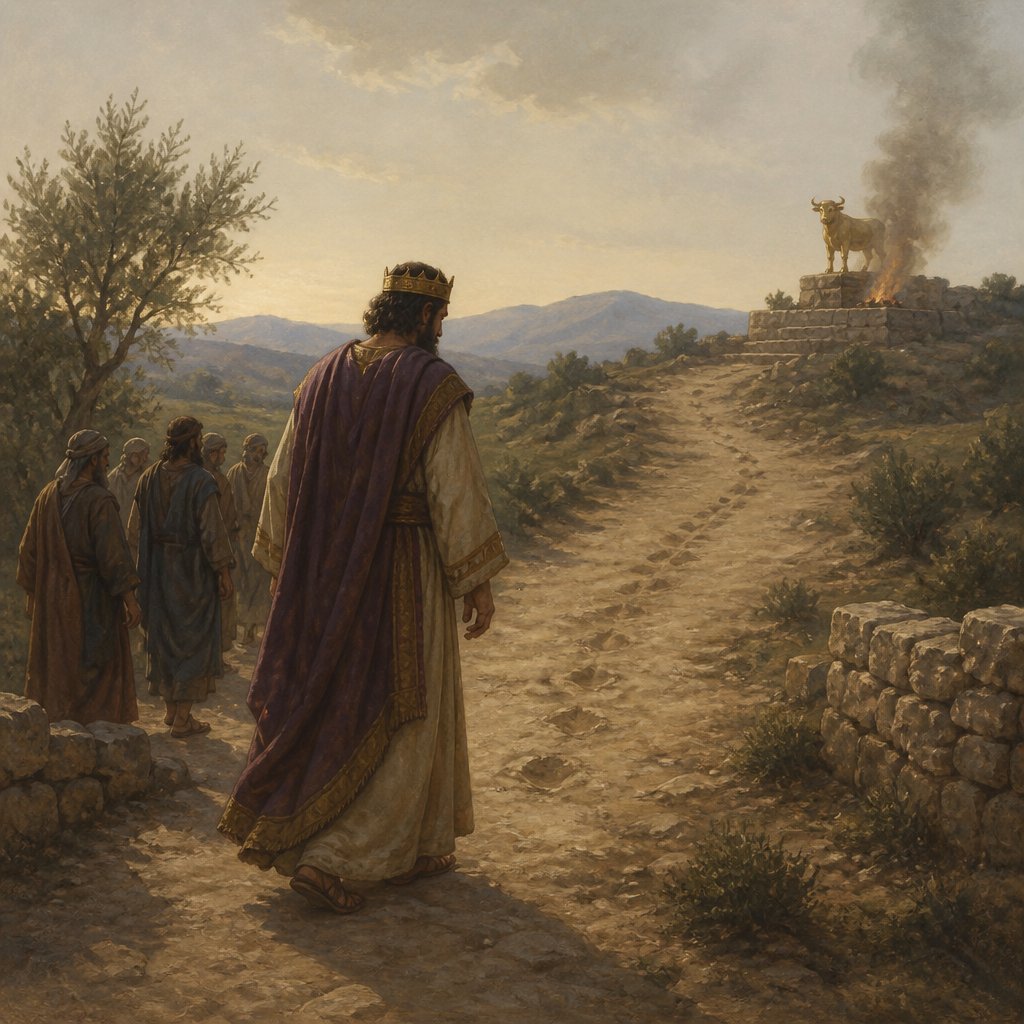
In 2 Kings 13:11, we read, "And he did that which was evil in the sight of the LORD; he departed not from all the sins of Jeroboam the son of Nebat, who made Israel sin: but he walked therein." This verse encapsulates a pivotal moment in Israel’s history, reflecting how the choices of one leader can resonate through time, influencing the faith and actions of an entire nation.
Jeroboam, the son of Nebat, stands as a significant figure in biblical history. He was the first king of the northern kingdom of Israel after the kingdom was divided, and his legacy is marked by disobedience and idolatry. Instead of leading the people back to the true worship of Yahweh, Jeroboam innovated a new form of religion designed to suit his political ambitions. He introduced golden calves for worship, declaring to the Israelites, "It is too much for you to go up to Jerusalem: behold thy gods, O Israel, which brought thee up out of the land of Egypt" (1 Kings 12:28). His actions were nothing short of a direct challenge to the commands of God, which warned against idolatry.
Fast forward to 2 Kings 13, where we see a new king, likely Jehoahaz, continuing in the same sin-ridden path laid out by Jeroboam. The verse reminds us that the behavior of leaders can have long-standing implications for their followers. Jehoahaz, like many before him, chose to emulate the sins of Jeroboam without deviation. The statement that he "departed not from all the sins" reveals a deep-seated commitment to the ungodly practices established centuries prior. How easily sin can become a habit, and how profoundly it can shape a community’s moral landscape!
This verse is a sobering reminder of the principle of legacy—what we do today can have effects far beyond our immediate context. Leaders in any capacity, whether political, spiritual, or familial, wield tremendous influence over those who follow them. As we reflect on the nature of Jehoahaz’s choices, we might ask ourselves: what legacy are we creating? How do our decisions reflect the values we claim to hold dear?
Furthermore, the latter part of the verse, "but he walked therein," emphasizes a willingness to persist in wrongdoing. Walking in sin implies an active and deliberate choice to continue down a path that is contrary to God’s will. It serves as a cautionary tale against moral complacency, urging us not only to recognize sin in our lives but to actively oppose it. It is not enough to simply acknowledge that we are fallen human beings; we must also strive for a higher calling.
In today’s context, many forces push us toward moral relativism, and it can be tempting to adopt popular ideologies that diverge from biblical truths. We must be vigilant against this allure, just as Jehoahaz was not. The allure of convenience and popularity can make the paths of Jeroboam look inviting, yet they lead to destruction, just as they did for Israel.
As we meditate on this verse, let us also remember the hope presented in the broader narrative of the Bible. While Jehoahaz chose poorly, the ultimate redemption comes through Jesus Christ. We can turn away from walking in the sins of our forebears and instead walk the narrow path of life that Christ speaks of.
In conclusion, let us decide to heed the lessons from Rehoboam and Jehoahaz. Let us not walk in the path of sin, but rather cultivate lives marked by obedience to God’s commandments. Let our legacy be one of faithfulness, continually drawing ourselves and others closer to the heart of God.
Get our apps


Artwork for 2 Kings 13:11
2 Kings 13:11 - "And he did that which was evil in the sight of the LORD; he departed not from all the sins of Jeroboam the son of Nebat, who made Israel sin: but he walked therein."
"And he did that which was evil in the sight of the LORD; he departed not from all the sins of Jeroboam the son of Nebat, who made Israel sin: but he walked therein." - 2 Kings 13:11

2 Kings 11:13 - "¶ And when Athaliah heard the noise of the guard and of the people, she came to the people into the temple of the LORD."

1 kings 11:11-13

1 Kings 11:11-13

1 Kings 11:11-13

1 Kings 11:13

1 Kings 11:13

1 Kings 6:11-13

1 Kings 6:11-13

1 Kings 6:11-13

1 Kings 6:11-13

1 Kings 6:11-13
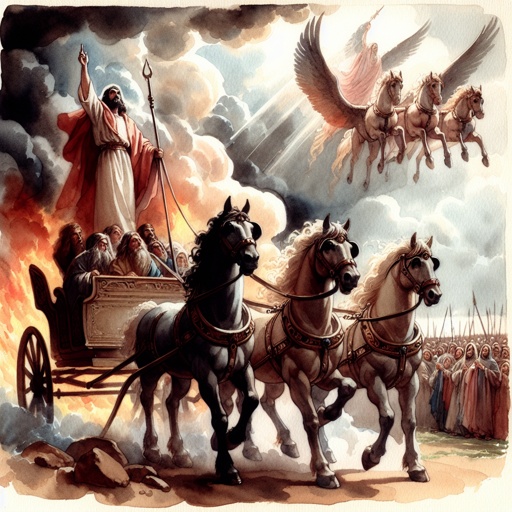
2 Kings 2:11
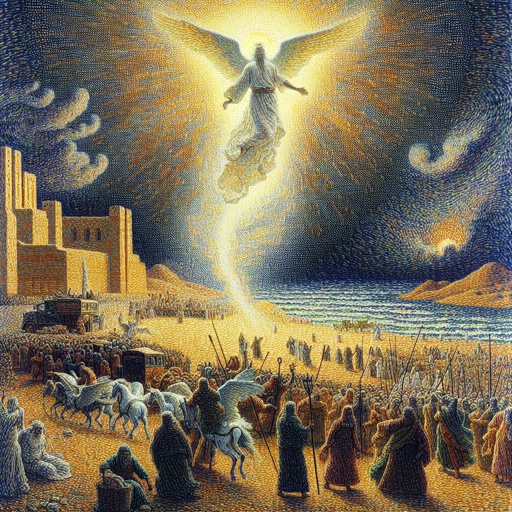
2 Kings 2:11
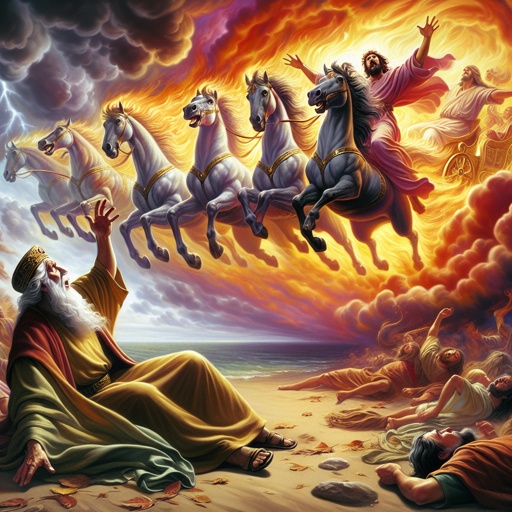
2 Kings 2:11

2 Kings 13:13 - "And Joash slept with his fathers; and Jeroboam sat upon his throne: and Joash was buried in Samaria with the kings of Israel."
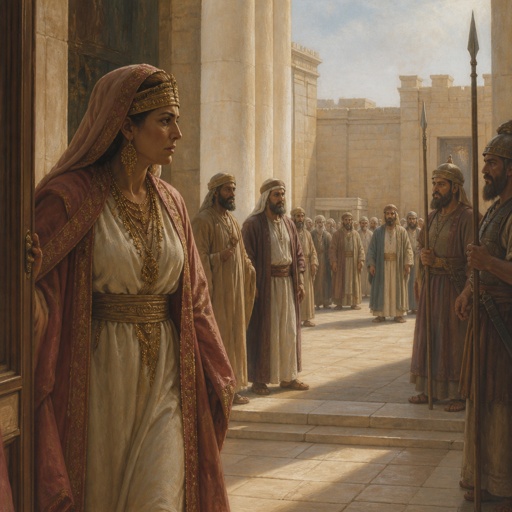
"¶ And when Athaliah heard the noise of the guard and of the people, she came to the people into the temple of the LORD." - 2 Kings 11:13

2 Kings 15:11 - "And the rest of the acts of Zachariah, behold, they are written in the book of the chronicles of the kings of Israel."

Job 2:11-13

Job 2:11-13

Job 2:11-13

2 Kings 7:11 - "And he called the porters; and they told it to the king's house within."

2 Kings 13:22 - "¶ But Hazael king of Syria oppressed Israel all the days of Jehoahaz."

2 Kings 13:8 - "¶ Now the rest of the acts of Jehoahaz, and all that he did, and his might, are they not written in the book of the chronicles of the kings of Israel?"

2 Kings 2:11 – "As they were walking along and talking together, suddenly a chariot of fire and horses of fire appeared."

2 Kings 19:13 - "Where is the king of Hamath, and the king of Arpad, and the king of the city of Sepharvaim, of Hena, and Ivah?"

2 Kings 2:11-13 KJVA (11) And it came to pass, as they still went on, and talked, that, behold, there appeared a chariot of fire, and horses of fire, and parted them both asunder; and Elijah went up by a whirlwind into heaven. (12) And Elisha saw it, and he cried, My father, my father, the chariot of Israel, and the horsemen thereof. And he saw him no more: and he took hold of his own clothes, and rent them in two pieces. (13) He took up also the mantle of Elijah that fell from him, and went back, and stood by the bank of Jordan;

2 Kings 2:11-13 KJVA (11) And it came to pass, as they still went on, and talked, that, behold, there appeared a chariot of fire, and horses of fire, and parted them both asunder; and Elijah went up by a whirlwind into heaven. (12) And Elisha saw it, and he cried, My father, my father, the chariot of Israel, and the horsemen thereof. And he saw him no more: and he took hold of his own clothes, and rent them in two pieces. (13) He took up also the mantle of Elijah that fell from him, and went back, and stood by the bank of Jordan;
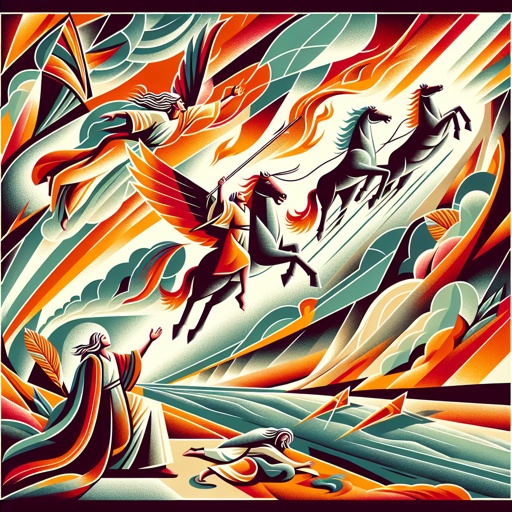
2 Kings 2:11-13 KJVA (11) And it came to pass, as they still went on, and talked, that, behold, there appeared a chariot of fire, and horses of fire, and parted them both asunder; and Elijah went up by a whirlwind into heaven. (12) And Elisha saw it, and he cried, My father, my father, the chariot of Israel, and the horsemen thereof. And he saw him no more: and he took hold of his own clothes, and rent them in two pieces. (13) He took up also the mantle of Elijah that fell from him, and went back, and stood by the bank of Jordan;