Justice and Mercy: A Reflection on 2 Kings 14:6
“But the children of the murderers he slew not: according unto that which is written in the book of the law of Moses, wherein the LORD commanded, saying, The fathers shall not be put to death for the children, nor the children be put to death for the fathers; but every man shall be put to death for his own sin.” — 2 Kings 14:6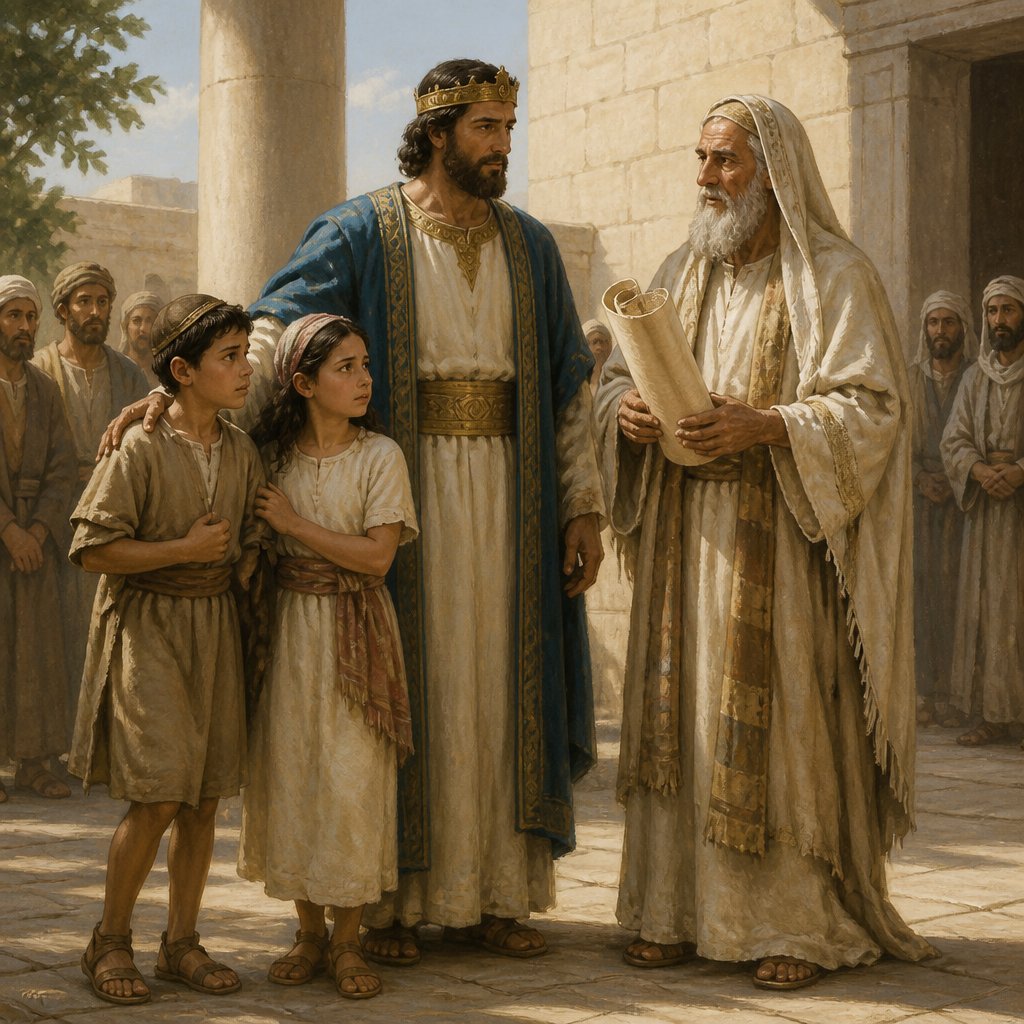
In 2 Kings 14:6, we read: "But the children of the murderers he slew not: according unto that which is written in the book of the law of Moses, wherein the LORD commanded, saying, The fathers shall not be put to death for the children, nor the children be put to death for the fathers; but every man shall be put to death for his own sin." This verse reflects a deep and profound principle of justice, mercy, and individual accountability that resonates deeply with us even today.
As we delve into the context of this scripture, we find ourselves in the historical narrative of the kings of Israel and Judah. Here, King Amaziah of Judah is taking action against those who had conspired against his father, King Joash, leading to his murder. Yet, instead of executing a sweeping form of retribution against even the families of these conspirators, Amaziah chooses a path of restraint—one prescribed by the law of Moses.
The legal principle laid out in Deuteronomy 24:16 is clear: "The fathers shall not be put to death for the children, neither shall the children be put to death for the fathers: every man shall be put to death for his own sin." Through King Amaziah’s actions, we see a demonstration of God's law as it preaches the values of justice without vengeance, emphasizing personal responsibility over generational guilt. This principle is revolutionary in its implications; it asserts the inherent value of each individual's life and the unique moral weight of their actions.
In our modern society, where the echoes of family legacies often carry significant weight, we can sometimes fall into the trap of associating individual identity too closely with family history. Whether it be a fallen reputation, a history of crime, wealth, or success, many individuals may feel presupposed upon by their lineage. However, God calls us to look deeper and acknowledge that each individual stands accountable before Him, free from the sins of their parents. This understanding can serve as a source of strength, comfort, and hope.
Moreover, Amaziah’s decision reflects a deeper understanding of mercy. He chooses to act justly but also mercifully, which serves as an important lesson for us. As Hebrews 4:16 reminds us, we can approach the throne of grace with confidence, knowing that mercy is available to us through Christ. Just as Amaziah showed restraint towards the children of those who had wronged him, God himself demonstrates divine mercy towards us, despite our failings and sins. The beauty of God's character is revealed through His justice, which is always tempered with mercy.
This passage also challenges us to evaluate our own attitudes towards justice and retribution. In a world fraught with division and hostility, how often do we find ourselves advocating for the punishment of the innocent simply because of their association with the guilty? We see tribalism rear its head in many forms—political, social, and even within the church. Yet, the understanding of individual accountability calls us to embody a spirit of reconciliation and understanding rather than one of judgment and condemnation.
As followers of Christ, called to a higher standard, we are tasked with extending mercy and grace to others, understanding fully that we too stand before our Creator in need of His forgiveness and love. When we choose to seek justice without vengeance, accountability without condemnation, and mercy rather than judgment, we reflect the heart of Christ who was perfect in justice and overflowing with mercy.
As we meditate on 2 Kings 14:6, let us ask ourselves how we might apply the principles of justice and mercy in our own lives. How can we embody a spirit of individual accountability in a world that often embraces guilt by association? How can we extend forgiveness and grace to those who may not deserve it according to the world’s standards, just as God has extended it to us? Let us be doers of the Word and not merely hearers, stepping out in faith to practice justice and mercy in our everyday interactions.
Get our apps


Artwork for 2 Kings 14:6
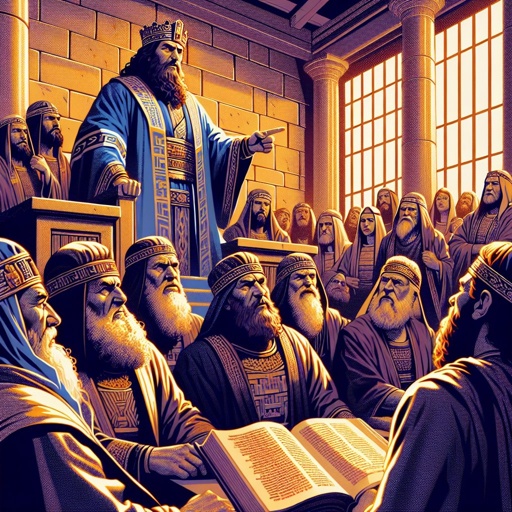
2 Kings 14:6 - "But the children of the murderers he slew not: according unto that which is written in the book of the law of Moses, wherein the LORD commanded, saying, The fathers shall not be put to death for the children, nor the children be put to death for the fathers; but every man shall be put to death for his own sin."
"But the children of the murderers he slew not: according unto that which is written in the book of the law of Moses, wherein the LORD commanded, saying, The fathers shall not be put to death for the children, nor the children be put to death for the fathers; but every man shall be put to death for his own sin." - 2 Kings 14:6

2 Kings 6:14 - "Therefore sent he thither horses, and chariots, and a great host: and they came by night, and compassed the city about."

1 Kings 6:14 - "So Solomon built the house, and finished it."

2 Kings 14:18 - "And the rest of the acts of Amaziah, are they not written in the book of the chronicles of the kings of Judah?"

2:6:14

2 kings 6:24
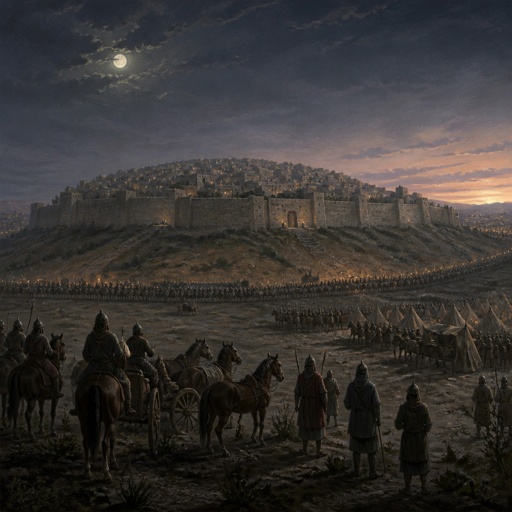
"Therefore sent he thither horses, and chariots, and a great host: and they came by night, and compassed the city about." - 2 Kings 6:14

2 Kings 14:29 - "And Jeroboam slept with his fathers, even with the kings of Israel; and Zachariah his son reigned in his stead."

2 Samuel 6:14

"So Solomon built the house, and finished it." - 1 Kings 6:14
2 Kings 15:6 - "And the rest of the acts of Azariah, and all that he did, are they not written in the book of the chronicles of the kings of Judah?"

2 Kings 12:14 - "But they gave that to the workmen, and repaired therewith the house of the LORD."

2 Kings 14:16 - "And Jehoash slept with his fathers, and was buried in Samaria with the kings of Israel; and Jeroboam his son reigned in his stead."

2 Kings 14:14 - "And he took all the gold and silver, and all the vessels that were found in the house of the LORD, and in the treasures of the king's house, and hostages, and returned to Samaria."

2 Samuel 6:14–22
2 Corinthians 6:14-18

2 Kings 14:22 - "He built Elath, and restored it to Judah, after that the king slept with his fathers."

2 Kings 14:12 - "And Judah was put to the worse before Israel; and they fled every man to their tents."
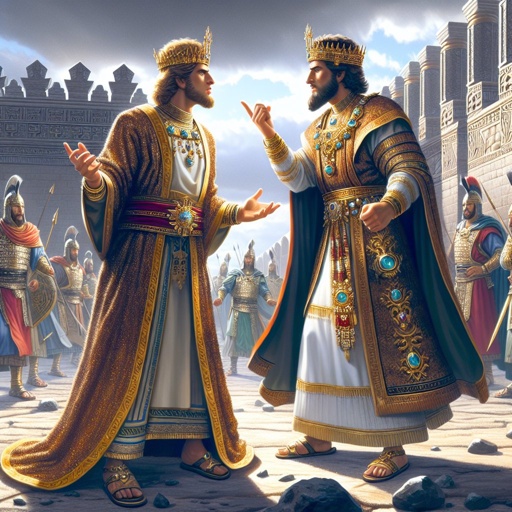
2 Kings 14:15 - "¶ Now the rest of the acts of Jehoash which he did, and his might, and how he fought with Amaziah king of Judah, are they not written in the book of the chronicles of the kings of Israel?"

2 Kings 6:16 - "And he answered, Fear not: for they that be with us are more than they that be with them."

2 Kings 14:20 - "And they brought him on horses: and he was buried at Jerusalem with his fathers in the city of David."

"And the rest of the acts of Amaziah, are they not written in the book of the chronicles of the kings of Judah?" - 2 Kings 14:18

2 Kings 3:6 - "¶ And king Jehoram went out of Samaria the same time, and numbered all Israel."

2 Kings 14:1 - "In the second year of Joash son of Jehoahaz king of Israel reigned Amaziah the son of Joash king of Judah."

2 Kings 25:14 - "And the pots, and the shovels, and the snuffers, and the spoons, and all the vessels of brass wherewith they ministered, took they away."

2 Kings 7:14 - "They took therefore two chariot horses; and the king sent after the host of the Syrians, saying, Go and see."

2 Kings 12:6 - "But it was so, that in the three and twentieth year of king Jehoash the priests had not repaired the breaches of the house."

1 Kings 2:14 - "He said moreover, I have somewhat to say unto thee. And she said, Say on."

2 Kings 17:14 - "Notwithstanding they would not hear, but hardened their necks, like to the neck of their fathers, that did not believe in the LORD their God."