The God Who Transforms: A Journey from Pride to Humility
“And he returned to the man of God, he and all his company, and came, and stood before him: and he said, Behold, now I know that there is no God in all the earth, but in Israel: now therefore, I pray thee, take a blessing of thy servant.” — 2 Kings 5:15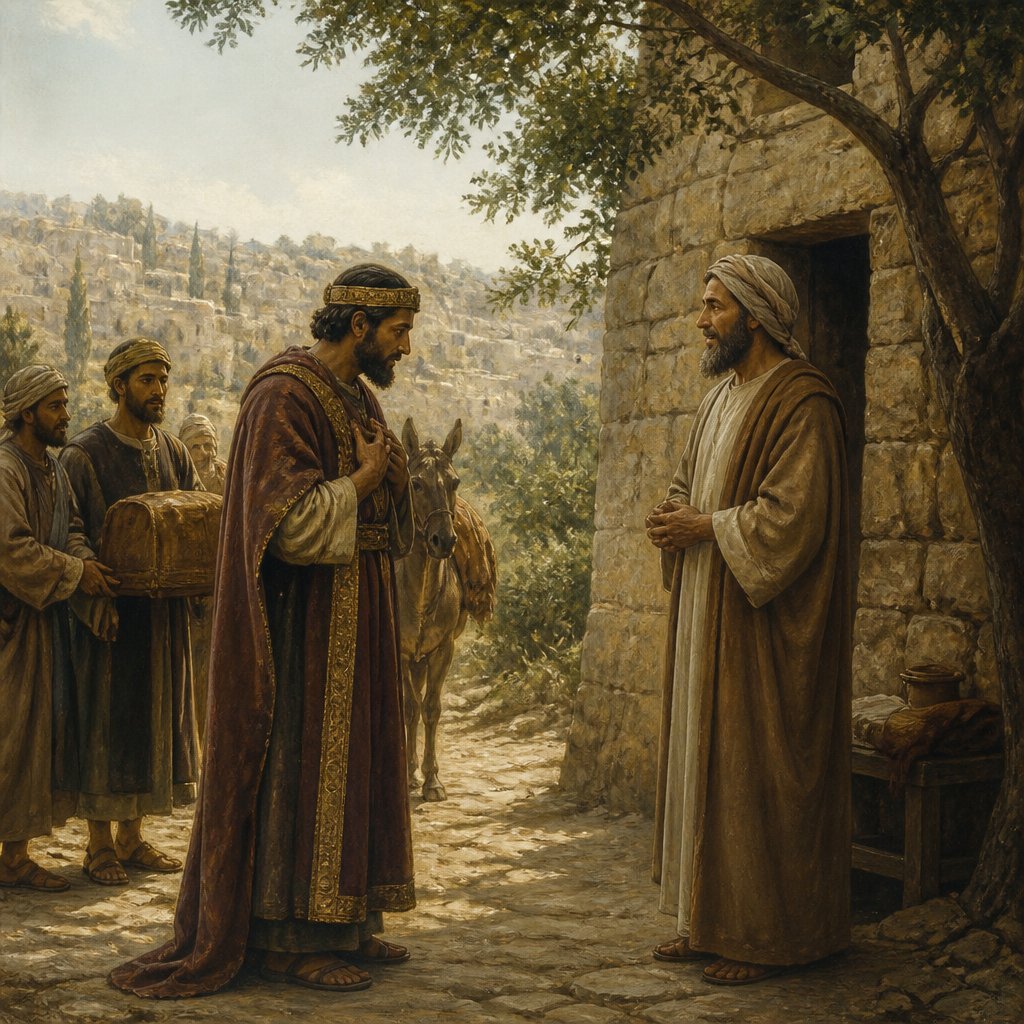
In 2 Kings 5:15, we witness a profound transformation in the heart of Naaman, the commander of the Syrian army, who returns to the man of God, Elisha, declaring, “Behold, now I know that there is no God in all the earth, but in Israel: now therefore, I pray thee, take a blessing of thy servant.” This passage encapsulates a remarkable journey not just of healing but of spiritual awakening. It serves as a powerful reminder of how God works in the lives of those who are outwardly successful yet inwardly desperate for truth and connection.
Naaman, as described in the earlier verses, was a man of great renown – a warrior decorated in battle, held in high esteem for his accomplishments. However, despite his accolades, Naaman was afflicted with leprosy. This skin disease not only threatened his physical well-being but also signified his social ostracization. In a world that often measures success by external appearances, Naaman's leprosy represented the reality that even the mightiest can be in desperate need of redemption.
What initially drew Naaman to the prophet Elisha was a simple young girl, a captive from Israel, who believed in the healing power of the God of Israel. This detail underlines a vital truth: God often uses the humble and the unheard to convey profound messages of hope and healing. How often do we underestimate those around us? God can speak through anyone—especially those society may deem insignificant.
As Naaman sets forth on his journey to find healing, we see an unfolding narrative of pride battling humility. Initially, Naaman arrives with the mindset that he deserves respect and recognition. He expects grand gestures, elaborate ceremonies, and a flawless display of power. However, Elisha's response is far from what one would expect—he simply instructs Naaman to wash himself seven times in the Jordan River. This simple act is a test of Naaman's humility. In that moment, his heart wrestles with his expectations versus his reality.
When Naaman initially rejects Elisha’s command, we see a man trapped in self-importance. After all, why should a nobleman bathe in a muddy river? Yet, it is through his servants—those he may have deemed beneath him—that he ultimately finds wisdom. They remind him that if he were asked to perform a great act, he would fulfill it for healing; why not, then, surrender to a simple act? Through humility and obedience, Naaman finally submits to the prophet's directions. This submission leads to a miraculous healing, both physically and spiritually.
Upon his return to Elisha, Naaman’s confession is powerful: “Now I know that there is no God in all the earth, but in Israel.” His journey was not merely through physical waters, but through the waters of pride, prejudice, and preconceived notions. He recognizes that the true God is not bound by human expectations. He discovers that the God of Israel is more powerful than his own status or the gods of his homeland.
As we reflect on this passage, let us evaluate our own lives and the ways in which we might place conditions on our own faith—waiting for something spectacular or extraneous rather than recognizing the divine in the ordinary. God is at work in the mundane, often through the seemingly insignificant moments of life. Are we willing to let Him work in our hearts?
Naaman's change of heart leads him to offer a blessing to Elisha, signifying his acknowledgment of God’s power and his gratitude for the grace he received. It is a rich moment of worship, one that reminds us of the importance of returning to give thanks for the blessings we have been bestowed.
In conclusion, let us embrace the message of this passage. Just as Naaman learned, may we strip away our pride, be open to humility, and remain sensitive to the still, small voice of God calling us to greater faith. May we remember that the greatest blessing we can offer God is a heart transformed by His word and a life reoriented towards His purpose.
Get our apps


Artwork for 2 Kings 5:15

2 King 5:15
2 Kings 5:15 - "¶ And he returned to the man of God, he and all his company, and came, and stood before him: and he said, Behold, now I know that there is no God in all the earth, but in Israel: now therefore, I pray thee, take a blessing of thy servant."
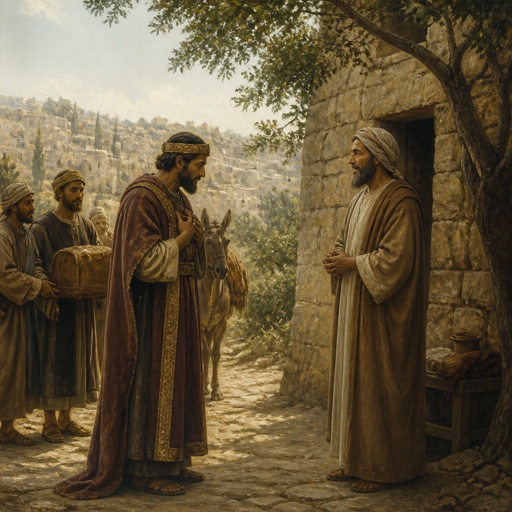
"¶ And he returned to the man of God, he and all his company, and came, and stood before him: and he said, Behold, now I know that there is no God in all the earth, but in Israel: now therefore, I pray thee, take a blessing of thy servant." - 2 Kings 5:15

2 Kings 15:5 - "¶ And the LORD smote the king, so that he was a leper unto the day of his death, and dwelt in a several house. And Jotham the king's son was over the house, judging the people of the land."

1 Kings 5:15 - "And Solomon had threescore and ten thousand that bare burdens, and fourscore thousand hewers in the mountains;"

2 Kings 15:15 - "And the rest of the acts of Shallum, and his conspiracy which he made, behold, they are written in the book of the chronicles of the kings of Israel."

2 Kings 3:15

2 Kings 3:15

2 Kings 3:15

2 Kings 15:11 - "And the rest of the acts of Zachariah, behold, they are written in the book of the chronicles of the kings of Israel."
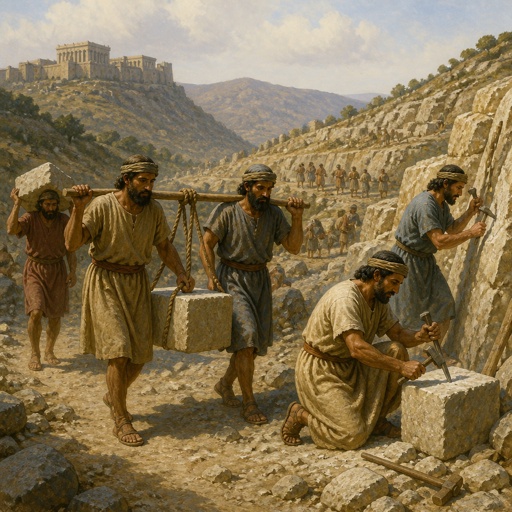
"And Solomon had threescore and ten thousand that bare burdens, and fourscore thousand hewers in the mountains;" - 1 Kings 5:15

2 Kings 15:6 - "And the rest of the acts of Azariah, and all that he did, are they not written in the book of the chronicles of the kings of Judah?"

2 Kings 15:21 - "¶ And the rest of the acts of Menahem, and all that he did, are they not written in the book of the chronicles of the kings of Israel?"

2 Kings 15:31 - "And the rest of the acts of Pekah, and all that he did, behold, they are written in the book of the chronicles of the kings of Israel."

2 Kings 15:36 - "¶ Now the rest of the acts of Jotham, and all that he did, are they not written in the book of the chronicles of the kings of Judah?"

2 Kings 15:26 - "And the rest of the acts of Pekahiah, and all that he did, behold, they are written in the book of the chronicles of the kings of Israel."

1 Kings 5:2 - "And Solomon sent to Hiram, saying,"

2 Kings 4:4-5

2 Kings 19:5 - "So the servants of king Hezekiah came to Isaiah."

2 Kings 24:5 - "¶ Now the rest of the acts of Jehoiakim, and all that he did, are they not written in the book of the chronicles of the kings of Judah?"

2 Samuel 5:15 - "Ibhar also, and Elishua, and Nepheg, and Japhia,"

2 Kings 15:29 show the army and attack

2 Kings 18:15 - "And Hezekiah gave him all the silver that was found in the house of the LORD, and in the treasures of the king's house."

2 Kings 14:15 - "¶ Now the rest of the acts of Jehoash which he did, and his might, and how he fought with Amaziah king of Judah, are they not written in the book of the chronicles of the kings of Israel?"

2 Kings 15:22 - "And Menahem slept with his fathers; and Pekahiah his son reigned in his stead."

2 kings 5:11 Create Naaman being upset and frustrated at ELisha

2 Kings 5:19 - "And he said unto him, Go in peace. So he departed from him a little way."

2 Kings 15:1 - "In the twenty and seventh year of Jeroboam king of Israel began Azariah son of Amaziah king of Judah to reign."

"And the rest of the acts of Shallum, and his conspiracy which he made, behold, they are written in the book of the chronicles of the kings of Israel." - 2 Kings 15:15

1 Kings 15:2 - "Three years reigned he in Jerusalem. And his mother's name was Maachah, the daughter of Abishalom."