The Depths of Despair: A Reflection on 2 Kings 6:29
“So we boiled my son, and did eat him: and I said unto her on the next day, Give thy son, that we may eat him: and she hath hid her son.” — 2 Kings 6:29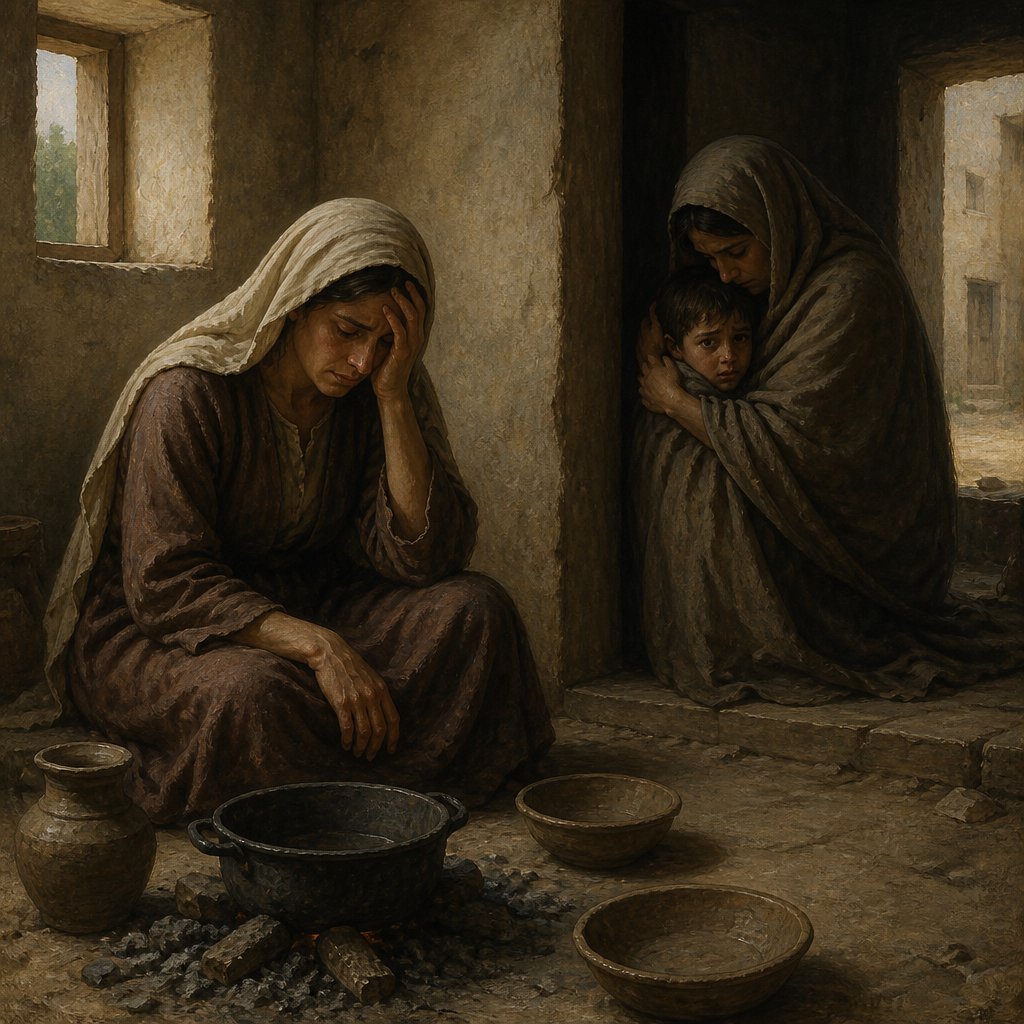
In 2 Kings 6:29, we find ourselves enmeshed in a narrative so harrowing that it evokes a visceral reaction: "So we boiled my son, and did eat him: and I said unto her on the next day, Give thy son, that we may eat him: and she hath hid her son." This haunting statement illustrates the extreme desperation faced by the inhabitants of Samaria during a time of siege by the Arameans.
To unpack this verse, we need to consider the context in which it was written. The city of Samaria, once vibrant, was now encircled by a ruthless enemy, leading to an unthinkable famine. The dire circumstances prompted acts of cannibalism—an act considered the ultimate violation of human dignity and integrity. Yet, this is not merely a gross recounting of events but rather a testimony to the depths of human despair and helplessness.
In this moment of suffering, we recognize the devastating impact of sin and separation from God. The siege was not merely a physical hardship, but also a spiritual consequence. As the people turned from God, their nation waded deeper into darkness and despair. Instead of seeking divine intervention and guidance from the prophet Elisha, they resorted to measures that stripped their humanity. They lost sight of God's provision and protection, which ultimately led them to resort to the most grotesque forms of survival.
This bleak account forces us to confront the state of our hearts and our reliance on the Lord. We often think that we are far removed from such gruesome acts of desperation, believing we would never reach such depths. Yet, how often do we find ourselves in spiritual famine? In moments of overwhelming emotional, mental, or spiritual anguish, do we not sometimes resort to desperate measures that compromise our integrity?
As believers, we must be vigilant. The enemy seeks to create a siege around our lives, hoping we will turn to any means that appear to offer relief, often pulling us further away from the light of Christ. Just as the people of Samaria sought to survive without the wisdom of God, we too can slip into patterns of thinking and behaving that seem rational in our pain but are ultimately destructive.
In recognizing the horror of 2 Kings 6:29, we are given an opportunity for introspection and repentance. Have we hidden our blessings as the woman hid her son? Are there areas of our life where we cling tightly to fear and despair rather than surrender them to God? As we reflect on our own lives, let us consider how we respond to difficulties. Are we placing our faith in the temporary comforts of this world, or are we actively seeking God’s face, trusting that He will provide?
The despair captured here is a reminder of the importance of community and the call to love one another even when facing our own dire circumstances. We cannot let our suffering skew our vision into thinking there is no hope left. Instead, we are called to remind one another of the promises of God, sharing not only in our burdens but also in our faith. As we gather in fellowship, we provide each other with strength and encouragement in times of need. We become vessels of hope amidst the seemingly hopeless.
Lastly, let us cling tightly to the truth found in scripture that, although trials may come, God's plan remains unwavering. In Ezekiel 34:16, the Lord promises, "I will seek that which was lost; and bring again that which was driven away; and will bind up that which was broken, and will strengthen that which was sick..." Let us rest in the assurance that God sees our struggles and is eager to bring healing to our wounded hearts.
In conclusion, while the verse from 2 Kings 6:29 presents a painful snapshot of humanity’s fallen state, it also beckons us toward repentance, community, and reliance on God's immeasurable grace. Let us choose not to hide in despair, but to bring our burdens to the Lord in faith, trusting that through Him, even the most desperate circumstances can lead to restoration and hope.
Get our apps


Artwork for 2 Kings 6:29
"So we boiled my son, and did eat him: and I said unto her on the next day, Give thy son, that we may eat him: and she hath hid her son." - 2 Kings 6:29

2 KINGS 8:29

1 Kings 6:29 - "And he carved all the walls of the house round about with carved figures of cherubims and palm trees and open flowers, within and without."

2 Kings 14:29 - "And Jeroboam slept with his fathers, even with the kings of Israel; and Zachariah his son reigned in his stead."

1 Kings 6:29 – "He carved all the walls of the temple round about with carved figures of cherubim and palm trees and open flowers."

2 kings 6:24

2 Kings 15:29 show the army and attack

2 Kings 9:29 - "And in the eleventh year of Joram the son of Ahab began Ahaziah to reign over Judah."

2 Kings 18:29 - "Thus saith the king, Let not Hezekiah deceive you: for he shall not be able to deliver you out of his hand:"

2 Kings 15:6 - "And the rest of the acts of Azariah, and all that he did, are they not written in the book of the chronicles of the kings of Judah?"

2 Kings 25:29 - "And changed his prison garments: and he did eat bread continually before him all the days of his life."

2 Kings 6:16 - "And he answered, Fear not: for they that be with us are more than they that be with them."
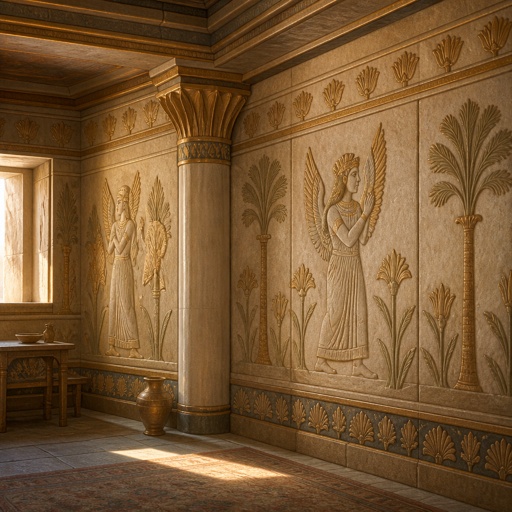
"And he carved all the walls of the house round about with carved figures of cherubims and palm trees and open flowers, within and without." - 1 Kings 6:29

2 Kings 3:6 - "¶ And king Jehoram went out of Samaria the same time, and numbered all Israel."

"And Jeroboam slept with his fathers, even with the kings of Israel; and Zachariah his son reigned in his stead." - 2 Kings 14:29

1 Kings 2:29 - "And it was told king Solomon that Joab was fled unto the tabernacle of the LORD; and, behold, he is by the altar. Then Solomon sent Benaiah the son of Jehoiada, saying, Go, fall upon him."

2 Kings 12:6 - "But it was so, that in the three and twentieth year of king Jehoash the priests had not repaired the breaches of the house."

2 Kings 17:29 - "Howbeit every nation made gods of their own, and put them in the houses of the high places which the Samaritans had made, every nation in their cities wherein they dwelt."

2 Kings 6:4 - "So he went with them. And when they came to Jordan, they cut down wood."

2 Kings 6:6 - "And the man of God said, Where fell it? And he shewed him the place. And he cut down a stick, and cast it in thither; and the iron did swim."

2 Kings 22:6 - "Unto carpenters, and builders, and masons, and to buy timber and hewn stone to repair the house."

2 Kings 25:6 - "So they took the king, and brought him up to the king of Babylon to Riblah; and they gave judgment upon him."

2 Kings 24:6 - "So Jehoiakim slept with his fathers: and Jehoiachin his son reigned in his stead."

2 Kings 10:29 - "¶ Howbeit from the sins of Jeroboam the son of Nebat, who made Israel to sin, Jehu departed not from after them, to wit, the golden calves that were in Beth-el, and that were in Dan."

2 Kings 6:7 - "Therefore said he, Take it up to thee. And he put out his hand, and took it."

2 Kings 7:6 - "For the Lord had made the host of the Syrians to hear a noise of chariots, and a noise of horses, even the noise of a great host: and they said one to another, Lo, the king of Israel hath hired against us the kings of the Hittites, and the kings of the Egyptians, to come upon us."

2 Kings 6:8 - "¶ Then the king of Syria warred against Israel, and took counsel with his servants, saying, In such and such a place shall be my camp."

2 Kings 15:29 - "In the days of Pekah king of Israel came Tiglath-pileser king of Assyria, and took Ijon, and Abel-beth-maachah, and Janoah, and Kedesh, and Hazor, and Gilead, and Galilee, all the land of Naphtali, and carried them captive to Assyria."

"And in the eleventh year of Joram the son of Ahab began Ahaziah to reign over Judah." - 2 Kings 9:29

2 Kings 6:26 - "And as the king of Israel was passing by upon the wall, there cried a woman unto him, saying, Help, my lord, O king."