Hope in the Midst of Despair: Lessons from Samaria's Famine
“And there was a great famine in Samaria: and, behold, they besieged it, until an ass’s head was sold for fourscore pieces of silver, and the fourth part of a cab of dove’s dung for five pieces of silver.” — 2 Kings 6:25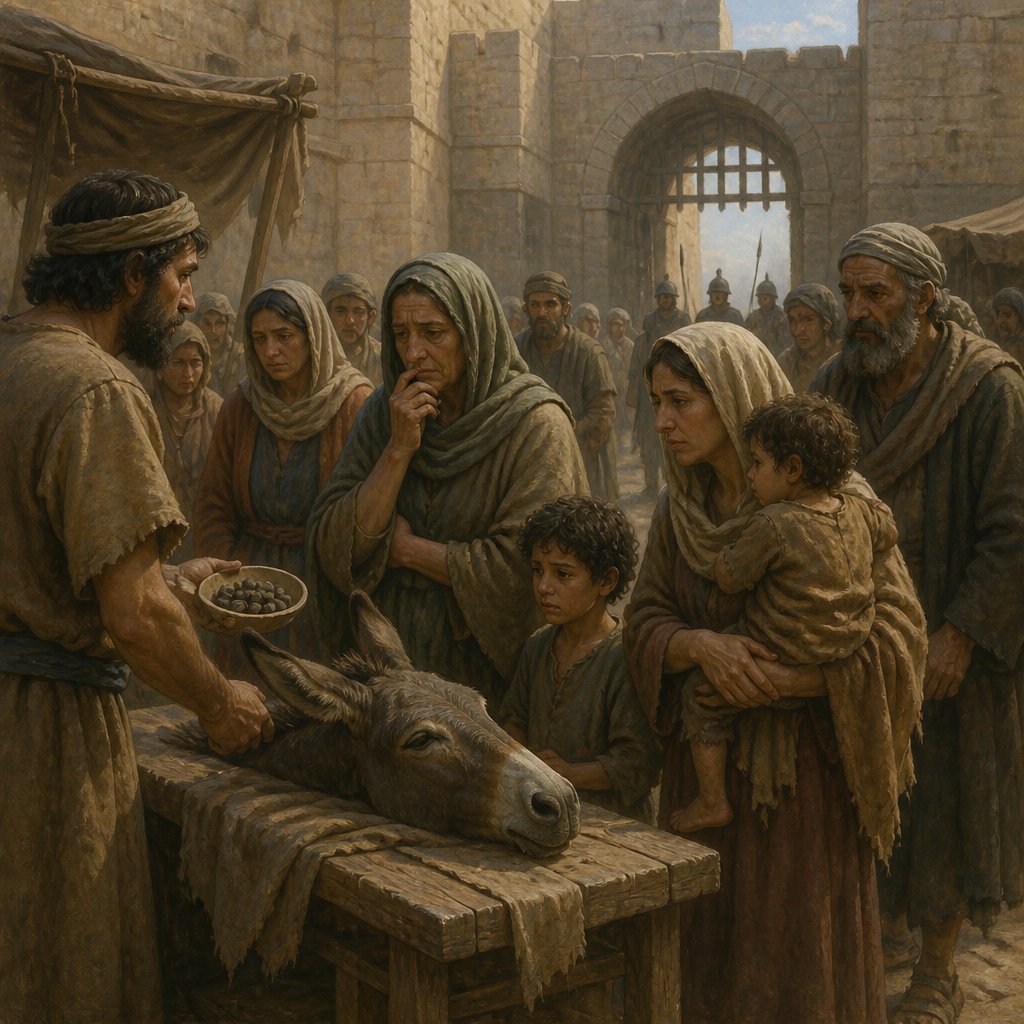
The passage from 2 Kings 6:25—"And there was a great famine in Samaria: and, behold, they besieged it, until an ass's head was sold for fourscore pieces of silver, and the fourth part of a cab of dove's dung for five pieces of silver"—paints a chilling picture of despair, deprivation, and hopelessness. This desperate scene occurred during a time when the Arameans besieged Samaria, leading to a catastrophic famine. As we delve deeper into this narrative, we uncover lessons that resonate even in our modern circumstances: the fragility of abundance, the depths of desperation, and the unwavering hope in the midst of dire situations.
### The Fragility of Abundance
Firstly, the backdrop of this famine serves as a reminder of the fragility of what we often take for granted. At one moment, the people of Samaria lived in relative stability and abundance; the next, they found themselves in deprivation and despair. The selling of an ass’s head for eighty pieces of silver reveals not just the scarcity of food but also the dramatic inflation and distortion of values during times of crisis.
We can often find ourselves in similar circumstances in today’s world—our comfort and abundance can swiftly fade. Economic downturns, health crises, or natural disasters can turn our realities upside down within moments. Yet, amidst these turbulent times, the call is to recognize that our true wealth does not solely lie in material possessions but in our relationship with God. In times of plenty or want, let us remember that our abundance is not measured by the things we possess, but by the love and grace that God provides.
### Facing Desperation
Moreover, the famine illustrated in the text culminated in horrific conditions whereby people resorted to the unthinkable, including cannibalism, as we see in subsequent verses. The sale of dove's dung for five pieces of silver highlights the ultimate degradation faced by the people—compromised dignity and humanity amidst suffering. Those who had once lived with hope found themselves facing the grotesque reality of fighting for survival.
In our own lives, we may encounter trials that push us to our limits, leading to feelings of despair. The situations that test our faith can sometimes seem unbearable. Yet, it is essential to remember that God gives us strength in our weakest moments. As Paul writes in 2 Corinthians 12:9, "My grace is sufficient for thee: for my strength is made perfect in weakness." When we feel we have lost everything, let us invite God into our struggles and allow His strength to bolster our faith.
### Faith Amid the Clamor of Hopelessness
Even amidst the chaos, there lies a powerful message of hope. The biblical narrative continues to reveal God’s faithfulness, even during extreme distress. Following this tragic account, Elisha arrives on the scene with a prophecy that the famine would soon end, proclaiming a promise of restoration and abundance—a divine response to human desperation.
This approach reminds us that no matter how dire the circumstances might seem, God holds the final word. Our present afflictions do not dictate our future. As we reflect on our current trials, whether they be physical, emotional, or spiritual, we must cling to the hope that God can transform our situation. In Isaiah 61:3, God promises to provide for us—and that we will exchange our ashes for beauty, mourning for joy, and despair for praise.
### Conclusion
In conclusion, as we reflect on the harrowing events in Samaria during the famine, let it compel us, not towards hopelessness, but towards reliance on God’s eternal provision and unwavering promises. It’s all too easy to become consumed by the circumstances surrounding us; however, let us instead choose to look towards the God who sees our struggles. May we cultivate hearts of hope that trust in God’s faithfulness, knowing that through our deepest trials, He is ever-present, writing our stories toward redemption. Let this passage not merely serve as a warning but as a profound reminder of God’s enduring grace and mercy amidst despair.
Get our apps


Artwork for 2 Kings 6:25

2 Kings 6:25 - "And there was a great famine in Samaria: and, behold, they besieged it, until an ass's head was sold for fourscore pieces of silver, and the fourth part of a cab of dove's dung for five pieces of silver."
"And there was a great famine in Samaria: and, behold, they besieged it, until an ass's head was sold for fourscore pieces of silver, and the fourth part of a cab of dove's dung for five pieces of silver." - 2 Kings 6:25

2 Kings 25:6 - "So they took the king, and brought him up to the king of Babylon to Riblah; and they gave judgment upon him."

1 Kings 6:25 - "And the other cherub was ten cubits: both the cherubims were of one measure and one size."

2 Kings 25:2 - "And the city was besieged unto the eleventh year of king Zedekiah."

"So they took the king, and brought him up to the king of Babylon to Riblah; and they gave judgment upon him." - 2 Kings 25:6

2 kings 6:24

2 Kings 21:25 - "Now the rest of the acts of Amon which he did, are they not written in the book of the chronicles of the kings of Judah?"

2 Kings 25:28 - "And he spake kindly to him, and set his throne above the throne of the kings that were with him in Babylon;"

2 Kings 2:25 - "And he went from thence to mount Carmel, and from thence he returned to Samaria."

2 Kings 25:12 - "But the captain of the guard left of the poor of the land to be vinedressers and husbandmen."

Proverbs 25:2 - "It is the glory of God to conceal a thing: but the honour of kings is to search out a matter."

2 Kings 25:20 - "And Nebuzar-adan captain of the guard took these, and brought them to the king of Babylon to Riblah:"
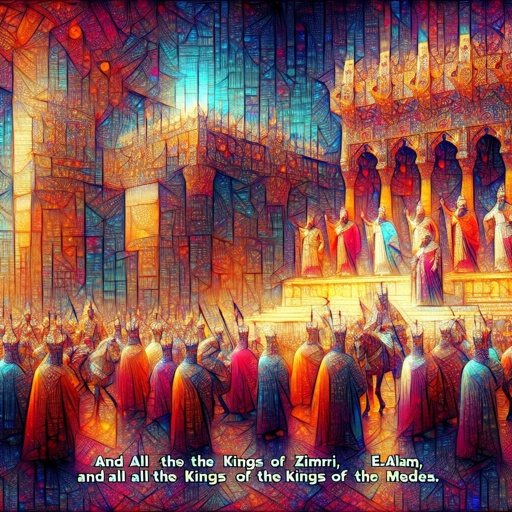
Jeremiah 25:25 - "And all the kings of Zimri, and all the kings of Elam, and all the kings of the Medes,"
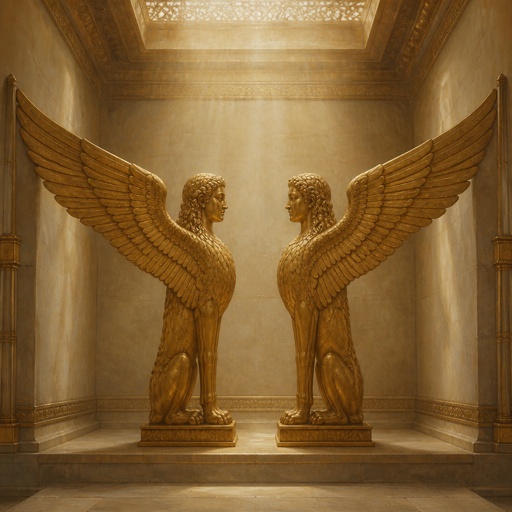
"And the other cherub was ten cubits: both the cherubims were of one measure and one size." - 1 Kings 6:25

"And the city was besieged unto the eleventh year of king Zedekiah." - 2 Kings 25:2

2 Kings 25:3 - "And on the ninth day of the fourth month the famine prevailed in the city, and there was no bread for the people of the land."

2 Kings 25:14 - "And the pots, and the shovels, and the snuffers, and the spoons, and all the vessels of brass wherewith they ministered, took they away."

2 Kings 25:1 show King Nebuchadnezzar and the army and the Temple

2 Kings 25:1 show King Nebuchadnezzar in war zone

1 Kings 2:25 - "And king Solomon sent by the hand of Benaiah the son of Jehoiada; and he fell upon him that he died."
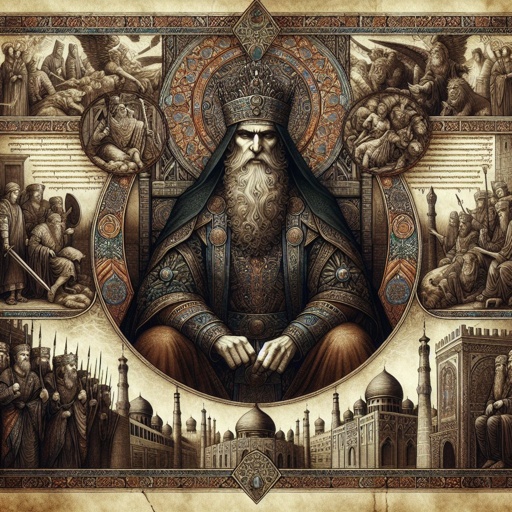
2 Kings 15:6 - "And the rest of the acts of Azariah, and all that he did, are they not written in the book of the chronicles of the kings of Judah?"

2 Kings 25:10 - "And all the army of the Chaldees, that were with the captain of the guard, brake down the walls of Jerusalem round about."

2 Kings 25:18 - "¶ And the captain of the guard took Seraiah the chief priest, and Zephaniah the second priest, and the three keepers of the door:"

2 Kings 25:15 - "And the firepans, and the bowls, and such things as were of gold, in gold, and of silver, in silver, the captain of the guard took away."

2 Chronicles 25:26 - "Now the rest of the acts of Amaziah, first and last, behold, are they not written in the book of the kings of Judah and Israel?"

Jehoiachin is released from Babylonian jail 2 kings 25: 27

2 Kings 8:25 - "¶ In the twelfth year of Joram the son of Ahab king of Israel did Ahaziah the son of Jehoram king of Judah begin to reign."

2 Kings 25:26 - "And all the people, both small and great, and the captains of the armies, arose, and came to Egypt: for they were afraid of the Chaldees."

2 Kings 25:30 - "And his allowance was a continual allowance given him of the king, a daily rate for every day, all the days of his life."