The Sacredness of God's Anointed
“And David said unto him, How wast thou not afraid to stretch forth thine hand to destroy the LORD’s anointed?” — 2 Samuel 1:14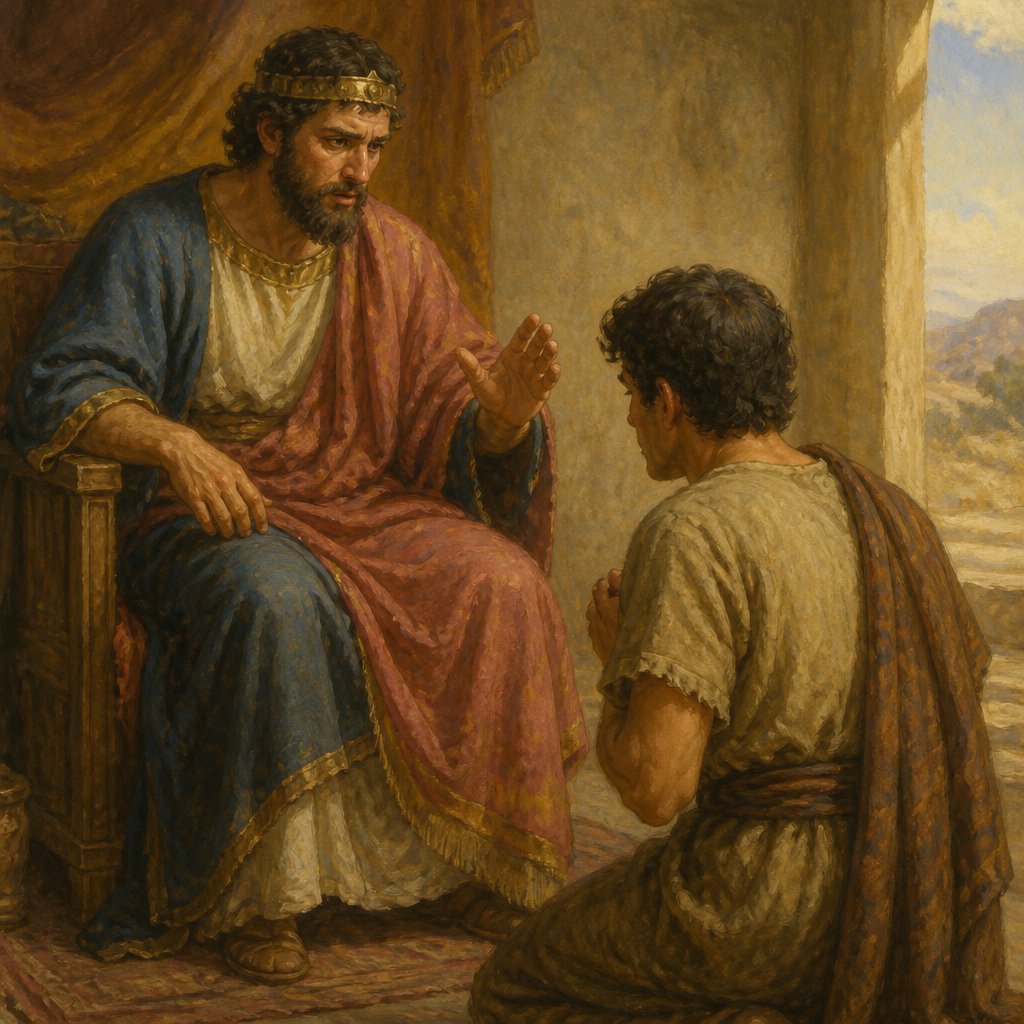
In 2 Samuel 1:14, we encounter a profound moment in the life of David: "And David said unto him, How wast thou not afraid to stretch forth thine hand to destroy the LORD'S anointed?" This verse highlights the deep respect and reverence David held not only for God but also for the office that God established. Through this reflection, we can explore the themes of respect for divine authority, the sanctity of God's chosen, and the implications of our actions in relation to God's will.
David's words come in the aftermath of Saul's death and the arrival of a young Amalekite who claimed to have killed the king, believing that he would gain favor from David as a result. However, instead of celebrating this supposed act that removed his rival, David instantly reproached the Amalekite. David understood that Saul was anointed by God and, therefore, deserved honor despite their tumultuous relationship. This interaction serves as a powerful reminder of how we view and treat those whom God has placed in authority over us.
The phrase "the LORD'S anointed" is a pivotal reminder of God’s sovereignty and His divine selection. When we consider our own leaders—whether they are in the church, government, or our communities—we must remember that they have a purpose in God’s grand design, even if we do not understand their actions or decisions. David recognized that to harm Saul would be akin to rebelling against God Himself. In a world filled with criticism and slander, this scripture beckons us to contemplate our posture toward those in positions of authority.
Moreover, David’s reaction also teaches us about the necessity of fear, but not a fear rooted in fear of punishment, rather a profound fear of acting against God’s will. This is seen not only in David's response but also in the very sobering reality that the Amalekite acted without considering the implications of his actions. In our journeys, we often face moments where we might feel compelled to pursue our interests, even if it means harming someone else’s reputation or position for our gain, either out of jealousy, frustration, or ambition. David's question echoes through the ages: "How wast thou not afraid?" We are called to examine our own hearts and motives continuously. Are we moving through life mindful of God's anointed? Are we willing to speak ill of leaders, to undermine their authority, or even wish for their downfall? If so, we must re-evaluate our hearts against the backdrop of David's righteous indignation.
David’s response reminds us that reverence for what God has set apart is not just a matter of accountability but acknowledges the sacredness of God's plans. When Saul was anointed king, that position was imbued with divine purpose, which should not be thwarted or desecrated by human actions. In today’s context, it is easy to forget how the divine authority over our lives manifests. It invites us into cautious humility, urging us to respect and intercede rather than condemn and criticize. Are we praying for our leaders, whether or not they align with our views? This is a pivotal lesson on maintaining a stance of respect and prayer rather than judgment and malice.
Finally, the aftermath of this conversation reveals a tragic end—the Amalekite's fatal error led to his own demise, an end we must consider earnestly as we navigate our own choices. Every word, action, and attitude we display carries weight in reflecting God’s nature and His will on earth. Therefore, let us strive to honor and respect God's anointed, to walk in the humility that acknowledges His authority, and to pursue actions that uplift rather than tear down.
As we leave this reflection, let David’s words be a challenge. May we move forward in our faith journeys, being ever vigilant of how we treat those placed in leadership, ever mindful that our actions reverberate in God’s kingdom.
Get our apps


Artwork for 2 Samuel 1:14

2 Samuel 1:14 - "And David said unto him, How wast thou not afraid to stretch forth thine hand to destroy the LORD'S anointed?"
"And David said unto him, How wast thou not afraid to stretch forth thine hand to destroy the LORD'S anointed?" - 2 Samuel 1:14

2 Samuel 6:14

2 Samuel 14:1 - "Now Joab the son of Zeruiah perceived that the king's heart was toward Absalom."

2 Samuel 1:4 - "And David said unto him, How went the matter? I pray thee, tell me. And he answered, That the people are fled from the battle, and many of the people also are fallen and dead; and Saul and Jonathan his son are dead also."

2 Samuel 1. 17-27

1 Samuel 14:2 - "And Saul tarried in the uttermost part of Gibeah under a pomegranate tree which is in Migron: and the people that were with him were about six hundred men;"

1 Samuel 14:6

1 Samuel 1:14 - "And Eli said unto her, How long wilt thou be drunken? put away thy wine from thee."

1 Samuel 14:27
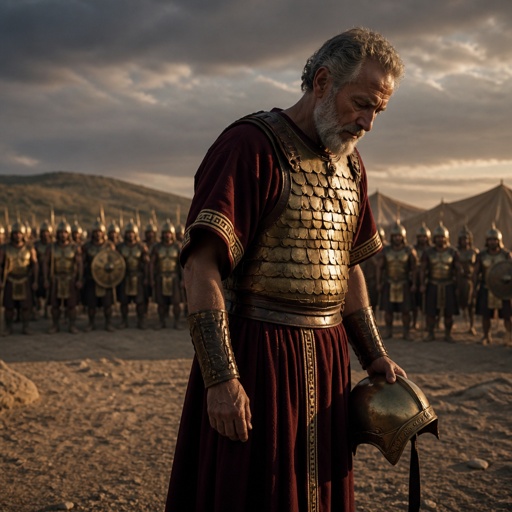
1 Samuel 13:14

1 Samuel 14:7

1 Samuel 11:14 - "Then said Samuel to the people, Come, and let us go to Gilgal, and renew the kingdom there."

2 Samuel 6:14–22

1 Samuel 2:14 - "And he struck it into the pan, or kettle, or caldron, or pot; all that the fleshhook brought up the priest took for himself. So they did in Shiloh unto all the Israelites that came thither."

2 Samuel 23:14 - "And David was then in an hold, and the garrison of the Philistines was then in Beth-lehem."
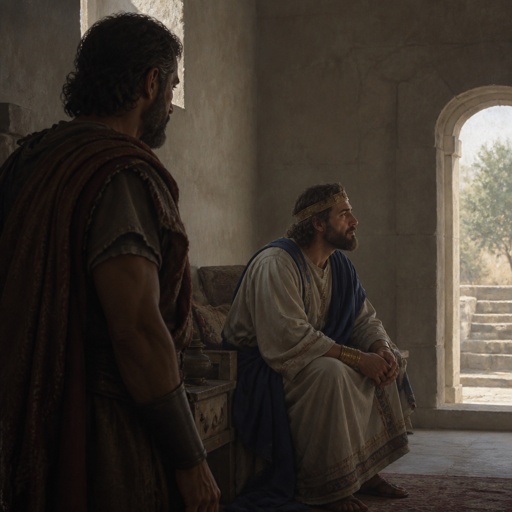
"Now Joab the son of Zeruiah perceived that the king's heart was toward Absalom." - 2 Samuel 14:1
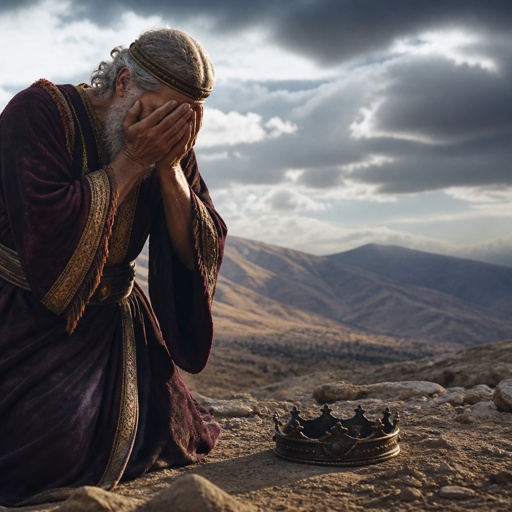
1 Samuel 13:13-14

1 Samuel 17:14 - "And David was the youngest: and the three eldest followed Saul."
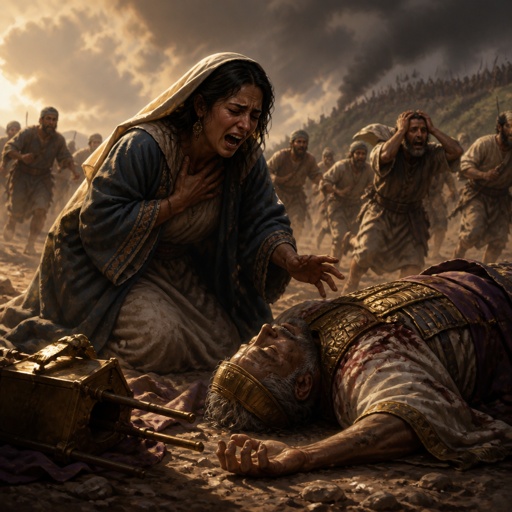
1 Samuel 4:14-16

1 Samuel 15:14 - "And Samuel said, What meaneth then this bleating of the sheep in mine ears, and the lowing of the oxen which I hear?"

2 Samuel 14:23 - "So Joab arose and went to Geshur, and brought Absalom to Jerusalem."

1 Samuel 14:51 - "And Kish was the father of Saul; and Ner the father of Abner was the son of Abiel."

1 Samuel 14:25 - "And all they of the land came to a wood; and there was honey upon the ground."

2 Samuel 22:14 - "The LORD thundered from heaven, and the most High uttered his voice."

2 Samuel 16:14 - "And the king, and all the people that were with him, came weary, and refreshed themselves there."

2 Samuel 1:27 - "How are the mighty fallen, and the weapons of war perished!"

1 Samuel 9:14 - "And they went up into the city: and when they were come into the city, behold, Samuel came out against them, for to go up to the high place."

2 Samuel 14:28 - "¶ So Absalom dwelt two full years in Jerusalem, and saw not the king's face."

2 Samuel 11:14 - "¶ And it came to pass in the morning, that David wrote a letter to Joab, and sent it by the hand of Uriah."