The Lament of Loss: Finding Hope in the Midst of Sorrow
“The beauty of Israel is slain upon thy high places: how are the mighty fallen!” — 2 Samuel 1:19
In the book of 2 Samuel, we encounter a profound and painful moment in Israel's history. 2 Samuel 1:19 (KJV) resonates deeply: "The beauty of Israel is slain upon thy high places: how are the mighty fallen!" This verse marks the tragic death of Saul and Jonathan, echoing David’s heartbroken lamentation. As we delve into the meaning behind this lament, we can glean essential truths about grief, loss, and the beauty of remembering those we have lost.
David, who would become king, stands amidst the ruins of his nation’s hopes and dreams, mourning the loss of not only the king but also his beloved friend, Jonathan. The phrase "the beauty of Israel" serves as a poignant reminder that the people of Israel were once vibrant and full of potential, and their leadership was a reflection of that beauty. Saul’s disintegration as a leader, culminated by his death, brought profound sorrow to David, who had admired the king's stature and presence, even in his complexity.
This lament echoes the theme of loss that resonates through much of scripture. It reminds us that even those who seem invincible—those we consider mighty—are not immune to the fragilities of life, nor the swift changes that can come upon them. David’s callous question, "how are the mighty fallen!" serves not only as a rhetorical inquiry but also as a canvas painted with his emotions of grief and the suddenness of mortality.
The high places, where Saul was slain, symbolize both literal and metaphorical heights in our lives. We often associate high places with success, triumph, and unequivocal greatness. Yet, as David articulates, these very places where we once stood tall may soon become the stages of our deepest sorrows. The juxtaposition of beauty and devastation teaches us that life’s peaks can quickly turn into valleys, reminding us to hold our accomplishments with humility and grace.
As believers, we can take comfort in the realization that mourning is not a sign of weakness but rather a legitimate expression of our humanity. Jesus, too, wept at the tomb of Lazarus (John 11:35), showcasing that grief has its place even in the heart of God. David's lamentation encourages us to process our pain openly. It gives us permission to grieve authentically, being unafraid to voice our sorrow. In our moments of loss—whether through death, separation, or disillusionment—we are reminded of the importance of community and support. David’s public lament serves as a reminder that we are not to mourn in isolation; rather, we should gather with others who share in our grief and offer comfort to one another.
Moreover, within the sorrow expressed in David's lament, there exists a glimmer of hope. In acknowledging loss, we are also reminded of the legacy that remains—the love shared, the sacrifices made, and the lasting impact those we have lost have had on our lives. Though Jonathan and Saul are gone, their memories live on in David’s heart and in the history of Israel. This prompts us to ask ourselves: How are we remembering those who have touched our lives? Are we committed to honoring their legacy in the way we live our lives?
In conclusion, let us carry 2 Samuel 1:19 as a reminder to embrace both the beauty and the fragility of life. As we navigate the complexities of faith, let us not shy away from seasons of lament, for in our brokenness, God’s grace meets us. The beauty of Israel may have fallen, but God's faithfulness remains steadfast. We can find renewed hope through our memories, our community, and the promises of God, allowing us to come forth from our mourning into a life that gives glory to Him through our remembrance and the lives we choose to lead.
Get our apps


Artwork for 2 Samuel 1:19

2 Samuel 1:19 - "The beauty of Israel is slain upon thy high places: how are the mighty fallen!"

"The beauty of Israel is slain upon thy high places: how are the mighty fallen!" - 2 Samuel 1:19

2 Samuel 1:9 - "He said unto me again, Stand, I pray thee, upon me, and slay me: for anguish is come upon me, because my life is yet whole in me."

2 Samuel 19:1 - "And it was told Joab, Behold, the king weepeth and mourneth for Absalom."

1 Samuel 19:19 - "And it was told Saul, saying, Behold, David is at Naioth in Ramah."

2 Samuel 19:8

"And it was told Joab, Behold, the king weepeth and mourneth for Absalom." - 2 Samuel 19:1

2 Samuel 19:8

2 Samuel 19:8

2 Samuel 19:8

2 Samuel 19:24

2 Samuel 1. 17-27

1 Samuel 3:19 - "¶ And Samuel grew, and the LORD was with him, and did let none of his words fall to the ground."

1 Samuel 2:19 - "Moreover his mother made him a little coat, and brought it to him from year to year, when she came up with her husband to offer the yearly sacrifice."
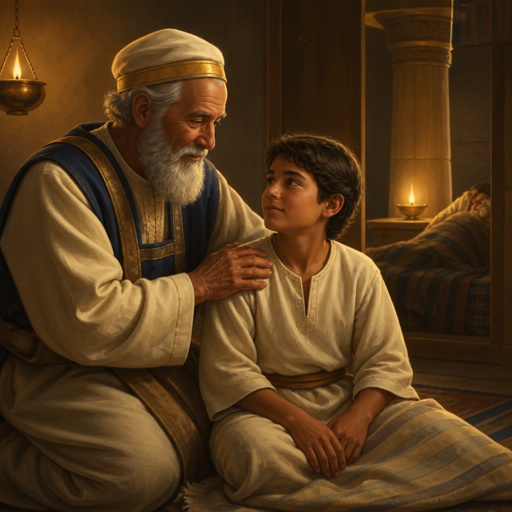
1 Samuel 3:19-21

1 Samuel 28:15-19

1 Samuel 19:18 - "¶ So David fled, and escaped, and came to Samuel to Ramah, and told him all that Saul had done to him. And he and Samuel went and dwelt in Naioth."

"He said unto me again, Stand, I pray thee, upon me, and slay me: for anguish is come upon me, because my life is yet whole in me." - 2 Samuel 1:9
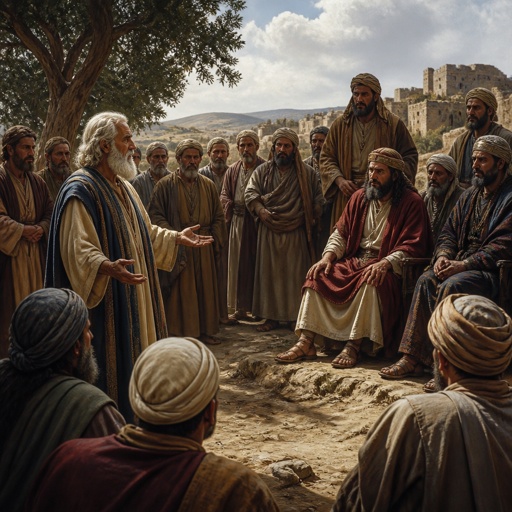
1 Samuel 8:19-22
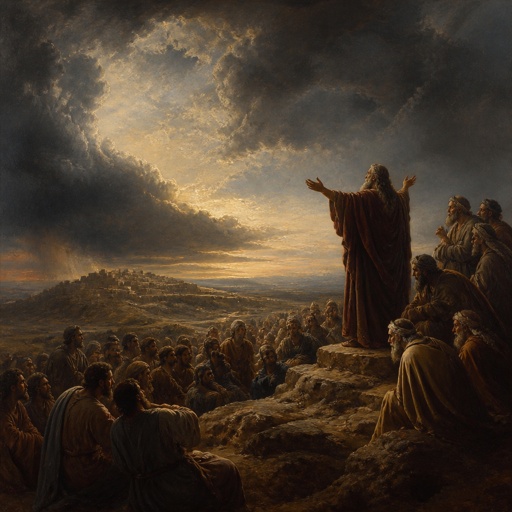
1 Samuel 8:19-22
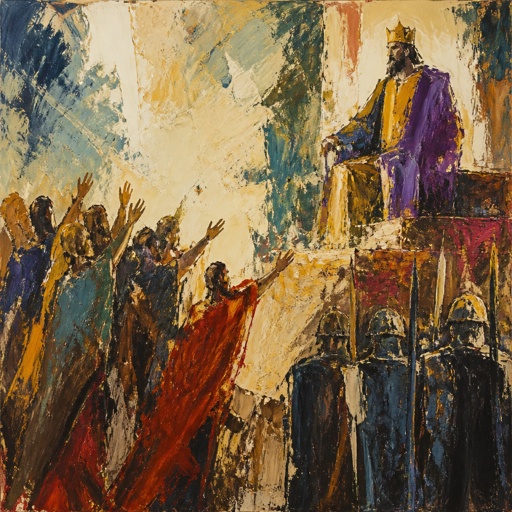
1 Samuel 8:19-23
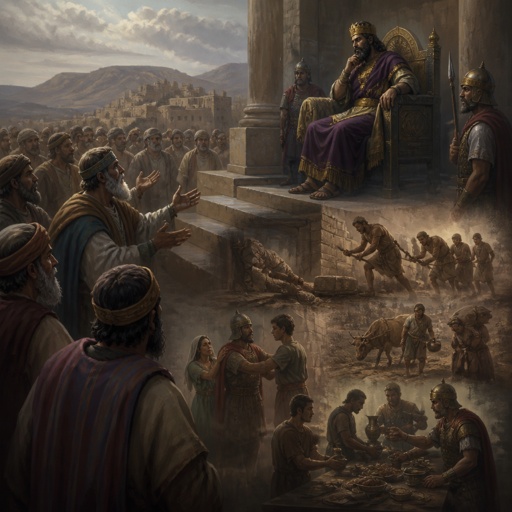
1 Samuel 8:19-22

1 Samuel 8:19 - "¶ Nevertheless the people refused to obey the voice of Samuel; and they said, Nay; but we will have a king over us;"

2 Samuel 11:9

1 Samuel 19:1 - "And Saul spake to Jonathan his son, and to all his servants, that they should kill David."

2 Samuel 22:19 - "They prevented me in the day of my calamity: but the LORD was my stay."

2 Samuel 24:19 - "And David, according to the saying of Gad, went up as the LORD commanded."

2 Samuel 2:19 - "And Asahel pursued after Abner; and in going he turned not to the right hand nor to the left from following Abner."

"And it was told Saul, saying, Behold, David is at Naioth in Ramah." - 1 Samuel 19:19

1 Samuel 19:14 - "And when Saul sent messengers to take David, she said, He is sick."