
In the sacred text of 2 Samuel 11:1-15, we encounter a narrative that reveals the intricate dance between power, temptation, and moral failure. This passage, taken from the King James Version (KJV), paints a vivid picture of King David's grievous sins—initially ignoring his duties, succumbing to temptation, orchestrating deceit, and ultimately committing murder. As we delve deeper, we uncover timeless truths regarding the human condition and the necessity of vigilance in our spiritual journeys.
Beginning with verse one, we read, "In the spring, at the time when kings go off to war, David sent Joab out with the king’s men and the whole Israelite army. They destroyed the Ammonites and besieged Rabbah. But David remained in Jerusalem." Here, we witness the onset of David's spiritual decline. Traditionally, spring is a season of renewal and warfare for kings. Yet, unlike his peers, David chooses to remain in Jerusalem, abandoning his responsibilities as a leader. By stepping aside, he sets the stage for temptation to infiltrate his life.
As a powerful king, David enjoyed immense privilege, but his passivity distanced him from God’s will. This absence of moral clarity creates an environment ripe for sin. How often do we, too, find ourselves ensnared in inactivity—be it in our relationships, work, or spiritual lives? David's choice to remain in comfort rather than fight signifies a lack of discipline that often leads believers astray. Instead of leading his men into battle, he seeks personal pleasure, foreshadowing the moral collapse that follows.
The narrative continues with distressing action: "One evening David got up from his bed and walked around on the roof of the palace. From the roof he saw a woman bathing. The woman was very beautiful..." (2 Samuel 11:2). At this moment, we witness the lure of temptation. Bathsheba, unwittingly exposed, becomes the object of David’s desire. The allure of beauty can often lead the faithful astray, particularly when one is not actively guarding their heart and mind against lust. David's gaze, initially innocent, spirals into inquiry and ultimately sinful action.
What follows is a tragic sequence of events, as David summons Bathsheba, sleeps with her, and tries to cover his sins as she communicates her pregnancy. His decision illustrates how unchecked temptation can lead to further sin, demonstrating that one transgression can quickly snowball into a web of deceit that devastates not only ourselves but those around us.
David’s subsequent manipulation of Uriah reflects a desperation rooted in guilt. David attempts to mask his wrongdoing by luring Uriah home—"Go down to your house and wash your feet" (2 Samuel 11:8)—only to meet with an unexpected act of loyalty from his soldier. Uriah’s unwavering commitment to his men and the ark serves as a poignant contrast to David’s moral failure and his grievous betrayal of Uriah's faithfulness.
The heartbreaking climax of this story comes when David, in a desperate attempt to absolve his sins, pens Uriah's death sentence. "Put Uriah out in front where the fighting is fiercest. Then withdraw from him so he will be struck down and die" (2 Samuel 11:15). This act speaks to the destructive nature of sin; it blinds us to the humanity of others and drives us to unimaginable lows.
In contemplating this narrative, we must ask ourselves: Are we vigilant against the subtle encroachments of sin in our lives? Do we consider the consequences of our choices and the impact they have on those around us? David's tragic saga is not merely his story but a warning for all Christians. The road to ruin often begins with complacency and can spiral into profound devastation.
May we approach our walk with God with a spirit of diligence, recognizing that forsaking our duties can lead to dire consequences. Let us seek to remain active in our faith, guarding our hearts from the lusts of the flesh, and always striving to honor God in all our endeavors. In doing so, we grow stronger against temptation and remain aligned with His will.
Get our apps


Artwork for 2 Samuel 11:1-15

2 Samuel 11:1-15 - "In the spring, at the time when kings go off to war, David sent Joab out with the king’s men and the whole Israelite army. They destroyed the Ammonites and besieged Rabbah. But David remained in Jerusalem. One evening David got up from his bed and walked around on the roof of the palace. From the roof he saw a woman bathing. The woman was very beautiful, and David sent someone to find out about her. The man said, “She is Bathsheba, the daughter of Eliam and the wife of Uriah the Hittite.” Then David sent messengers to get her. She came to him, and he slept with her. (Now she was purifying herself from her monthly uncleanness.) Then she went back home. The woman conceived and sent word to David, saying, “I am pregnant.” So David sent this word to Joab: “Send me Uriah the Hittite.” And Joab sent him to David. When Uriah came to him, David asked him how Joab was, how the soldiers were and how the war was going. Then David said to Uriah, “Go down to your house and wash your feet.” So Uriah left the palace, and a gift from the king was sent after him. But Uriah slept at the entrance to the palace with all his master’s servants and did not go down to his house. David was told, “Uriah did not go home.” So he asked Uriah, “Haven’t you just come from a military campaign? Why didn’t you go home?” Uriah said to David, “The ark and Israel and Judah are staying in tents, and my commander Joab and my lord’s men are camped in the open country. How could I go to my house to eat and drink and make love to my wife? As surely as you live, I will not do such a thing!” Then David said to him, “Stay here one more day, and tomorrow I will send you back.” So Uriah remained in Jerusalem that day and the next. At David’s invitation, he ate and drank with him, and David made him drunk. But in the evening Uriah went out to sleep on his mat among his master’s servants; he did not go home. In the morning David wrote a letter to Joab and sent it with Uriah. In it he wrote, “Put Uriah out in front where the fighting is fiercest. Then withdraw from him so he will be struck down and die.”"

"In the spring, at the time when kings go off to war, David sent Joab out with the king’s men and the whole Israelite army. They destroyed the Ammonites and besieged Rabbah. But David remained in Jerusalem. One evening David got up from his bed and walked around on the roof of the palace. From the roof he saw a woman bathing. The woman was very beautiful, and David sent someone to find out about her. The man said, “She is Bathsheba, the daughter of Eliam and the wife of Uriah the Hittite.” Then David sent messengers to get her. She came to him, and he slept with her. (Now she was purifying herself from her monthly uncleanness.) Then she went back home. The woman conceived and sent word to David, saying, “I am pregnant.” So David sent this word to Joab: “Send me Uriah the Hittite.” And Joab sent him to David. When Uriah came to him, David asked him how Joab was, how the soldiers were and how the war was going. Then David said to Uriah, “Go down to your house and wash your feet.” So Uriah left the palace, and a gift from the king was sent after him. But Uriah slept at the entrance to the palace with all his master’s servants and did not go down to his house. David was told, “Uriah did not go home.” So he asked Uriah, “Haven’t you just come from a military campaign? Why didn’t you go home?” Uriah said to David, “The ark and Israel and Judah are staying in tents, and my commander Joab and my lord’s men are camped in the open country. How could I go to my house to eat and drink and make love to my wife? As surely as you live, I will not do such a thing!” Then David said to him, “Stay here one more day, and tomorrow I will send you back.” So Uriah remained in Jerusalem that day and the next. At David’s invitation, he ate and drank with him, and David made him drunk. But in the evening Uriah went out to sleep on his mat among his master’s servants; he did not go home. In the morning David wrote a letter to Joab and sent it with Uriah. In it he wrote, “Put Uriah out in front where the fighting is fiercest. Then withdraw from him so he will be struck down and die.”" - 2 Samuel 11:1-15

2 Samuel 11:5 - "And the woman conceived, and sent and told David, and said, I am with child."

2 Samuel 15:11 - "And with Absalom went two hundred men out of Jerusalem, that were called; and they went in their simplicity, and they knew not any thing."
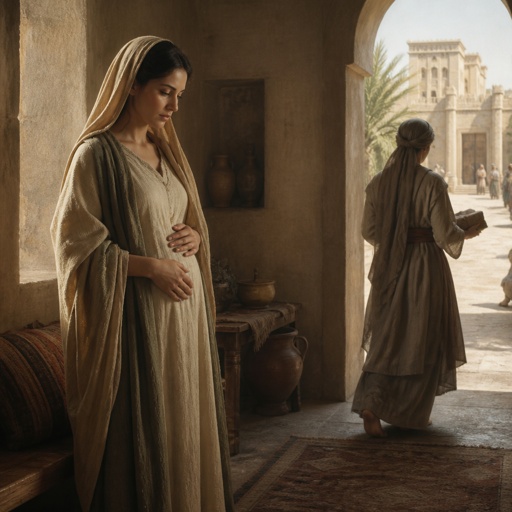
"And the woman conceived, and sent and told David, and said, I am with child." - 2 Samuel 11:5

1 Samuel 15:11 - "It repenteth me that I have set up Saul to be king: for he is turned back from following me, and hath not performed my commandments. And it grieved Samuel; and he cried unto the LORD all night."

2 Samuel 11:15 - "And he wrote in the letter, saying, Set ye Uriah in the forefront of the hottest battle, and retire ye from him, that he may be smitten, and die."

2 Samuel 11:9

2 Samuel 11

2 samuel 11

2 Samuel 15:1 - "And it came to pass after this, that Absalom prepared him chariots and horses, and fifty men to run before him."

2 Samuel 1:11 - "Then David took hold on his clothes, and rent them; and likewise all the men that were with him:"

2 Samuel 11:11

1 Samuel 11:15 - "And all the people went to Gilgal; and there they made Saul king before the LORD in Gilgal; and there they sacrificed sacrifices of peace offerings before the LORD; and there Saul and all the men of Israel rejoiced greatly."

1 Samuel 2:11 - "And Elkanah went to Ramah to his house. And the child did minister unto the LORD before Eli the priest."

2 Samuel 1:15 - "And David called one of the young men, and said, Go near, and fall upon him. And he smote him that he died."

1Samuel 15:11

1 Samuel 15:10 - "¶ Then came the word of the LORD unto Samuel, saying,"

1 Samuel 7:15 - "And Samuel judged Israel all the days of his life."
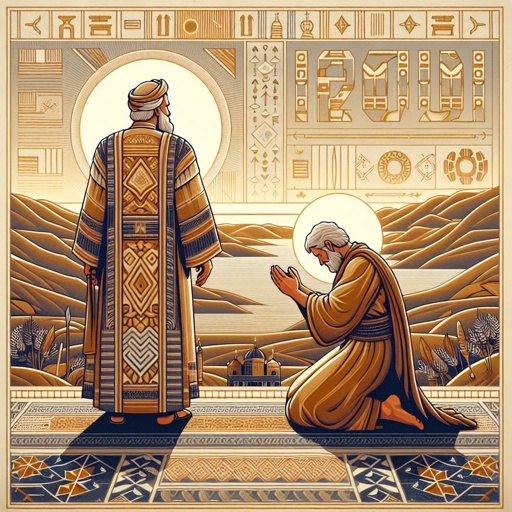
1 Samuel 15:31 - "So Samuel turned again after Saul; and Saul worshipped the LORD."

1 Samuel 15:34 - "¶ Then Samuel went to Ramah; and Saul went up to his house to Gibeah of Saul."

1 Samuel 1:15-17

1 Samuel 3:15 - "¶ And Samuel lay until the morning, and opened the doors of the house of the LORD. And Samuel feared to shew Eli the vision."
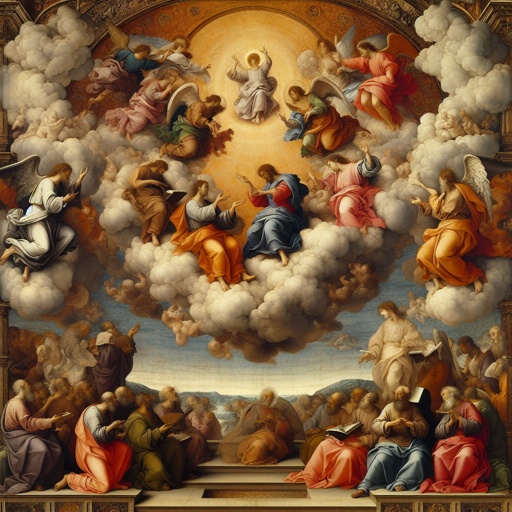
1 samuel15:11:11

1.samuel 15:30

1.samuel 15:30

1 Samuel 28:15

1 Samuel 15:22

1 Samuel 15:22

1 Samuel 2:15 - "Also before they burnt the fat, the priest's servant came, and said to the man that sacrificed, Give flesh to roast for the priest; for he will not have sodden flesh of thee, but raw."