The Weeping King: Lessons from David's Grief
“But when David saw that his servants whispered, David perceived that the child was dead: therefore David said unto his servants, Is the child dead? And they said, He is dead.” — 2 Samuel 12:19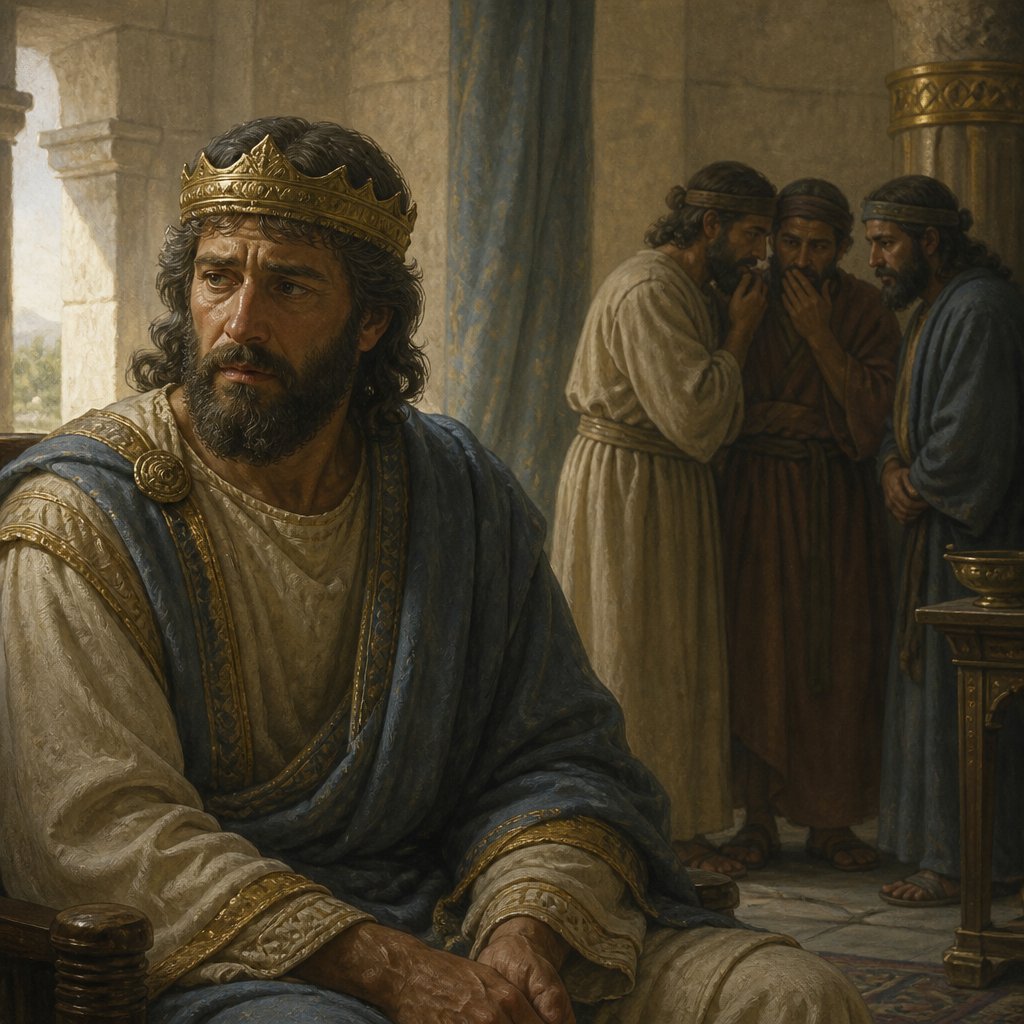
In 2 Samuel 12:19, we witness a poignant and profound moment in King David's life: "But when David saw that his servants whispered, David perceived that the child was dead: therefore David said unto his servants, Is the child dead? And they said, He is dead." This passage reveals the weighty emotions associating with loss, the uncertainty that surrounds us in times of grief, and the resilience required to navigate our sorrows.
David, a man we know for his victories and songs of praise, finds himself in the depths of heartache. His child, conceived in sin, is now lost to death. The whispers of his servants reveal a reluctance to break the tragic news, an indication of the cultural reverence for life and the heartache that comes with losing it. As the king intuitively discerns the truth from their hushed tones, we are drawn into a moment of brutal honesty.
In our own lives, there are occasions when we find ourselves awaiting news that we dread to hear. Like David, we may glance at the faces around us, searching for the truth behind their expressions. We may desperately cling to the hope that erases the sting of grief, but as the servants did with David, reality has a way of breaking through. Just a few verses prior to this, we see David praying earnestly for his child's healing, fasting, and pleading with God, hoping for a different outcome. His desperation reminds us of how we too may appeal to God in fervent prayer when we face illness, loss, or crisis. Yet, it also showcases a harsh truth: that our prayers do not always align with divine plans.
David's acknowledgment of his child’s death encapsulates a moment of surrender. Here, within the confines of sadness, he does not lash out at God in anger or question the justice of it all. Instead, he gently communicates a sense of acceptance. While we might struggle with the feelings of betrayal or despair in our moments of mourning, David exemplifies a quiet strength. He doesn't demand answers from the Divine, nor does he wallow in despair beyond what is natural.
The phrase "Is the child dead?" allows us insight into the state of David's heart—he had braced himself for the worst and sought confirmation. This reaction is suggestive of how grief can make a person feel incredibly alone, despite having friends nearby. Loss leaves us at times feeling isolated, as if our sorrow is too great for anyone else to bear. Yet, we learn from David that communication too is vital. While he sensed the reality of death, he needed to engage with his servants to confront it. In this, we see an important lesson about the need for community, the necessity of not isolating ourselves in grief.
Once David receives the answer, he promptly rises from the ground, washes and anoints himself, and goes into the house of the Lord. His first act of worship after mourning shows us the healing potential embedded within our responses to grief. He teaches us about moving forward, about continuing our worship even amidst sorrow. David processes his pain yet does not allow it to erode his faith; instead, he honors his relationship with God by turning to Him in worship.
As readers, we can glean the beauty within this deep sorrow. Life is replete with loss, and no one is exempt from heartache. But, just like David, we can find a pathway to peace amid our struggles. We may grieve, but we do not grieve without hope. Let us find our place in God’s open arms, casting the heaviness of our losses at His feet while continuing to pursue Him through worship and community. For in moments of anguish, our heartfelt cries may yet become the songs that rise to the heavens.
Get our apps


Artwork for 2 Samuel 12:19
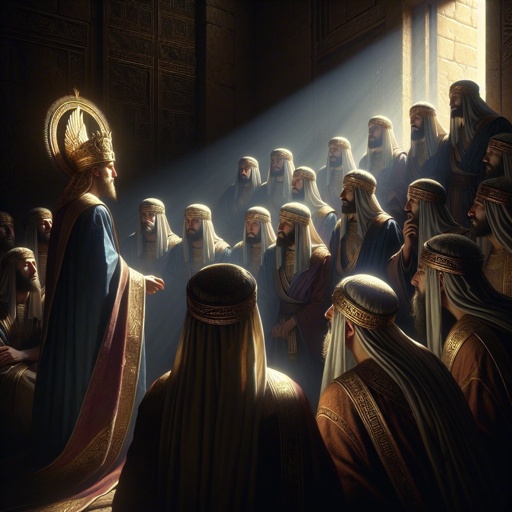
2 Samuel 12:19 - "But when David saw that his servants whispered, David perceived that the child was dead: therefore David said unto his servants, Is the child dead? And they said, He is dead."
"But when David saw that his servants whispered, David perceived that the child was dead: therefore David said unto his servants, Is the child dead? And they said, He is dead." - 2 Samuel 12:19

2 Samuel 19:12 - "Ye are my brethren, ye are my bones and my flesh: wherefore then are ye the last to bring back the king?"

2 Samuel 19:8

2 Samuel 19:8

2 Samuel 19:8

2 Samuel 19:8

2 Samuel 19:24

1 Samuel 19:12 - "¶ So Michal let David down through a window: and he went, and fled, and escaped."

2 Samuel 5:12

1 Samuel 2:12

2 Samuel 12:2 - "The rich man had exceeding many flocks and herds:"

2 Samuel 19:1 - "And it was told Joab, Behold, the king weepeth and mourneth for Absalom."
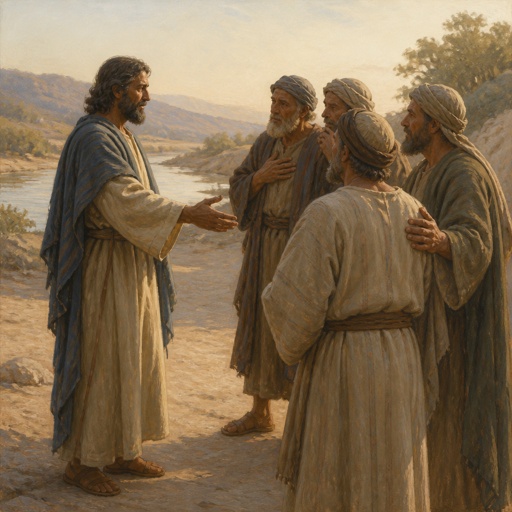
"Ye are my brethren, ye are my bones and my flesh: wherefore then are ye the last to bring back the king?" - 2 Samuel 19:12

2 Samuel 12:12 - "For thou didst it secretly: but I will do this thing before all Israel, and before the sun."

1 Samuel 12:19 - "And all the people said unto Samuel, Pray for thy servants unto the LORD thy God, that we die not: for we have added unto all our sins this evil, to ask us a king."

2 Samuel 22:19 - "They prevented me in the day of my calamity: but the LORD was my stay."

2 Samuel 24:19 - "And David, according to the saying of Gad, went up as the LORD commanded."

2 Samuel 2:19 - "And Asahel pursued after Abner; and in going he turned not to the right hand nor to the left from following Abner."

2 Samuel 2:12 - "¶ And Abner the son of Ner, and the servants of Ish-bosheth the son of Saul, went out from Mahanaim to Gibeon."

2 Samuel 1:19 - "The beauty of Israel is slain upon thy high places: how are the mighty fallen!"

2 Samuel 19:2 - "And the victory that day was turned into mourning unto all the people: for the people heard say that day how the king was grieved for his son."

1 Samuel 2:12 - "¶ Now the sons of Eli were sons of Belial; they knew not the LORD."

2 Samuel 12:26 - "And Joab fought against Rabbah of the children of Ammon, and took the royal city."

2 Samuel 19:23 - "Therefore the king said unto Shimei, Thou shalt not die. And the king sware unto him."

2 Samuel 11:19 - "And charged the messenger, saying, When thou hast made an end of telling the matters of the war unto the king,"

2 Samuel 23:19 - "Was he not most honourable of three? therefore he was their captain: howbeit he attained not unto the first three."

2 Samuel 17:19 - "And the woman took and spread a covering over the well's mouth, and spread ground corn thereon; and the thing was not known."

2 Samuel 12:29 - "And David gathered all the people together, and went to Rabbah, and fought against it, and took it."

2 Samuel 19:33 - "And the king said unto Barzillai, Come thou over with me, and I will feed thee with me in Jerusalem."