Mercy for the Anointed: A Lesson from Abishai and Shimei
“But Abishai the son of Zeruiah answered and said, Shall not Shimei be put to death for this, because he cursed the LORD’s anointed?” — 2 Samuel 19:21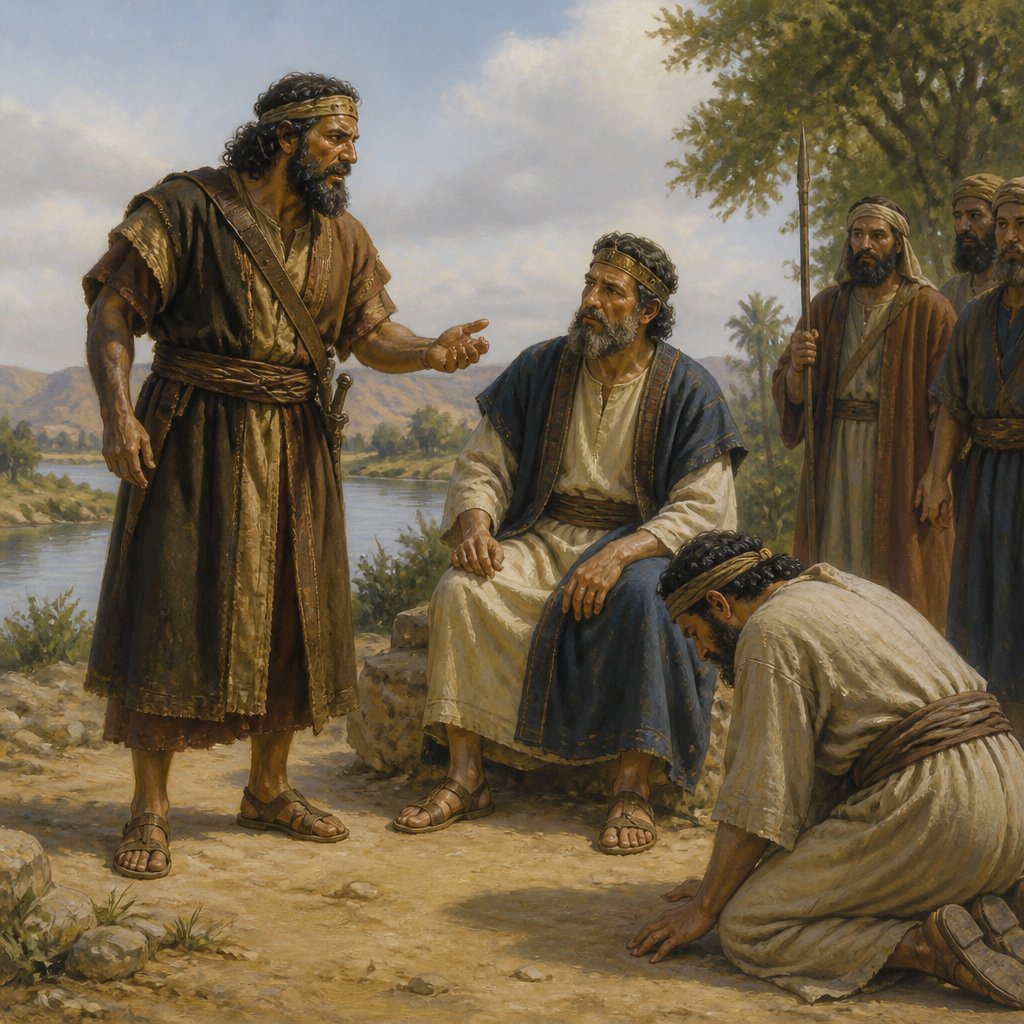
In the narrative of 2 Samuel 19, we find ourselves at a significant crossroads in David's reign, one filled with emotional upheaval and spiritual reflection. The verse that stands out, 2 Samuel 19:21, states: "But Abishai the son of Zeruiah answered and said, Shall not Shimei be put to death for this, because he cursed the LORD'S anointed?" This moment resonates profoundly with the themes of mercy, authority, and the grace that governs our lives as followers of God.
Abishai, a valiant warrior and the nephew of King David, demonstrates typical bravado and loyalty to the king. His argument is both understandable and justifiable. Shimei, of the house of Saul, had publicly humiliated David during his flight from Jerusalem, cursing him and throwing stones at him as he fled. To Abishai, it was a matter of honor; after all, David had been wronged gravely by Shimei’s actions. In the ancient world, to curse a king was not merely an offense but an act of rebellion against God's chosen one, which warranted severe punishment.
As we dive into this scene, we must examine the essence of mercy within the framework of authority and leadership. David was a man of great power, anointed by God Himself to lead Israel; yet, in this moment of emotional turmoil upon his return to power, he exemplifies grace over vengeance. Instead of yielding to Abishai’s fierce urging to execute justice by putting Shimei to death, David chooses a different path—one filled with humility and forgiveness.
David responds not with anger or vengeance but with a poignant reminder of his own frailty and dependence on God's mercy. He said, "What have I to do with you, ye sons of Zeruiah, that ye should this day be adversaries unto me?" (2 Samuel 19:22). This moment serves as a profound reflection on divine authority—though anointed by God, David recognized he was not to act as a tyrant but as a servant leader. His response steers us towards a deeper understanding of what it means to embody God's grace, and illustrate that mercy triumphs over judgment (James 2:13).
Throughout the Scriptures, we find God’s heart beating consistently for mercy. In the New Testament, Jesus embodies this principle when He teaches about loving one’s enemies and forgiving those who wrong us (Matthew 5:44). David, just like Jesus, extends grace where vengeance seems justified. It prompts us to question our own responses to wrongs done against us. How often do we find ourselves in Abishai's position, ready to exact retribution rather than choosing a path of peace?
This scenario also invites us to examine our perception of authority. David’s response to Shimei teaches us that true leadership is characterized by humility and restraint. Leaders are often tested by the criticisms and opposition they face, but how they respond reveals their character. We are reminded that we all hold some form of authority, whether in our families, workplaces, or communities. Thus, how we exercise that authority carries weight beyond our immediate circumstances—our actions either illuminate God's grace or obscure it through selfish retribution.
Additionally, this passage challenges us to reflect on our relationship with our own judgments. We can easily slide into the role of Shimei or Abishai—mocking, cursing, and desiring vengeance against those who frustrate us or oppose our principles. Yet, we forget that we stand in need of the same grace and mercy we desire to withhold from others. In our day, may we choose to extend the grace that God has lavished upon us, even when circumstances would justify otherwise.
In conclusion, the tension between justice and mercy found in David's response to Shimei becomes an invaluable lesson for us. Let us remember that we are called to live as instruments of God's grace, to be slow to anger and quick to forgive. In doing so, we not only emulate the heart of our gracious king, Jesus Christ, but we also help to weave a fabric of mercy in a world that often seeks revenge.
Get our apps


Artwork for 2 Samuel 19:21

2 Samuel 19:21 - "But Abishai the son of Zeruiah answered and said, Shall not Shimei be put to death for this, because he cursed the LORD'S anointed?"
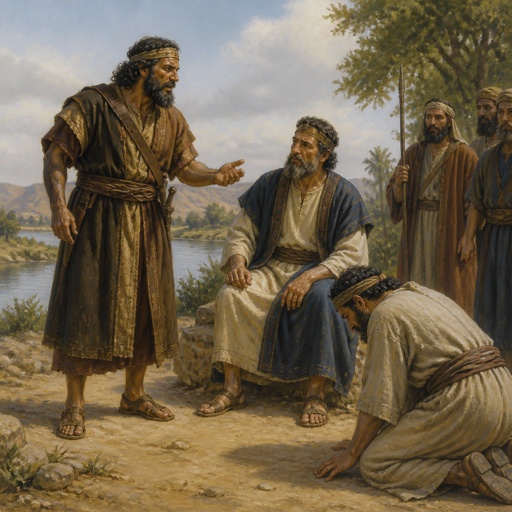
"But Abishai the son of Zeruiah answered and said, Shall not Shimei be put to death for this, because he cursed the LORD'S anointed?" - 2 Samuel 19:21
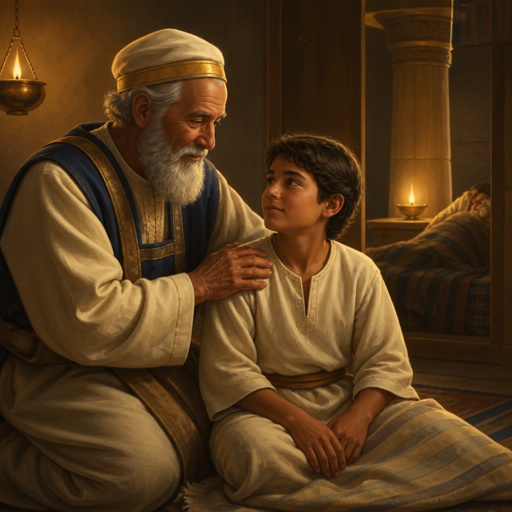
1 Samuel 3:19-21

2 Samuel 21:19 - "And there was again a battle in Gob with the Philistines, where Elhanan the son of Jaare-oregim, a Beth-lehemite, slew the brother of Goliath the Gittite, the staff of whose spear was like a weaver's beam."

2 Samuel 19:8

2 Samuel 19:8

2 Samuel 19:8

2 Samuel 19:8

2 Samuel 19:24

2 Samuel 21:21 - "And when he defied Israel, Jonathan the son of Shimea the brother of David slew him."

2 samuel 23:8-21

1 Samuel 19:21 - "And when it was told Saul, he sent other messengers, and they prophesied likewise. And Saul sent messengers again the third time, and they prophesied also."

2 Samuel 19:1 - "And it was told Joab, Behold, the king weepeth and mourneth for Absalom."

2 Samuel 5:21 - "And there they left their images, and David and his men burned them."

1 Samuel 2:21 - "And the LORD visited Hannah, so that she conceived, and bare three sons and two daughters. And the child Samuel grew before the LORD."

2 Samuel 22:19 - "They prevented me in the day of my calamity: but the LORD was my stay."

2 Samuel 21:11 - "And it was told David what Rizpah the daughter of Aiah, the concubine of Saul, had done."

2 Samuel 24:19 - "And David, according to the saying of Gad, went up as the LORD commanded."

2 Samuel 13:21 - "¶ But when king David heard of all these things, he was very wroth."

2 Samuel 2:19 - "And Asahel pursued after Abner; and in going he turned not to the right hand nor to the left from following Abner."

2 Samuel 1:19 - "The beauty of Israel is slain upon thy high places: how are the mighty fallen!"

2 Samuel 21:22 - "These four were born to the giant in Gath, and fell by the hand of David, and by the hand of his servants."

2 Samuel 19:2 - "And the victory that day was turned into mourning unto all the people: for the people heard say that day how the king was grieved for his son."

2 Samuel 19:23 - "Therefore the king said unto Shimei, Thou shalt not die. And the king sware unto him."

2 Samuel 11:19 - "And charged the messenger, saying, When thou hast made an end of telling the matters of the war unto the king,"

2 Samuel 23:19 - "Was he not most honourable of three? therefore he was their captain: howbeit he attained not unto the first three."

2 Samuel 17:19 - "And the woman took and spread a covering over the well's mouth, and spread ground corn thereon; and the thing was not known."

Revelation 19:19-21

Revelation 19:19-21

Revelation 19:19-21