Clinging to the King: A Reflection on Allegiance and Divided Loyalty
“So every man of Israel went up from after David, and followed Sheba the son of Bichri: but the men of Judah clave unto their king, from Jordan even to Jerusalem.” — 2 Samuel 20:2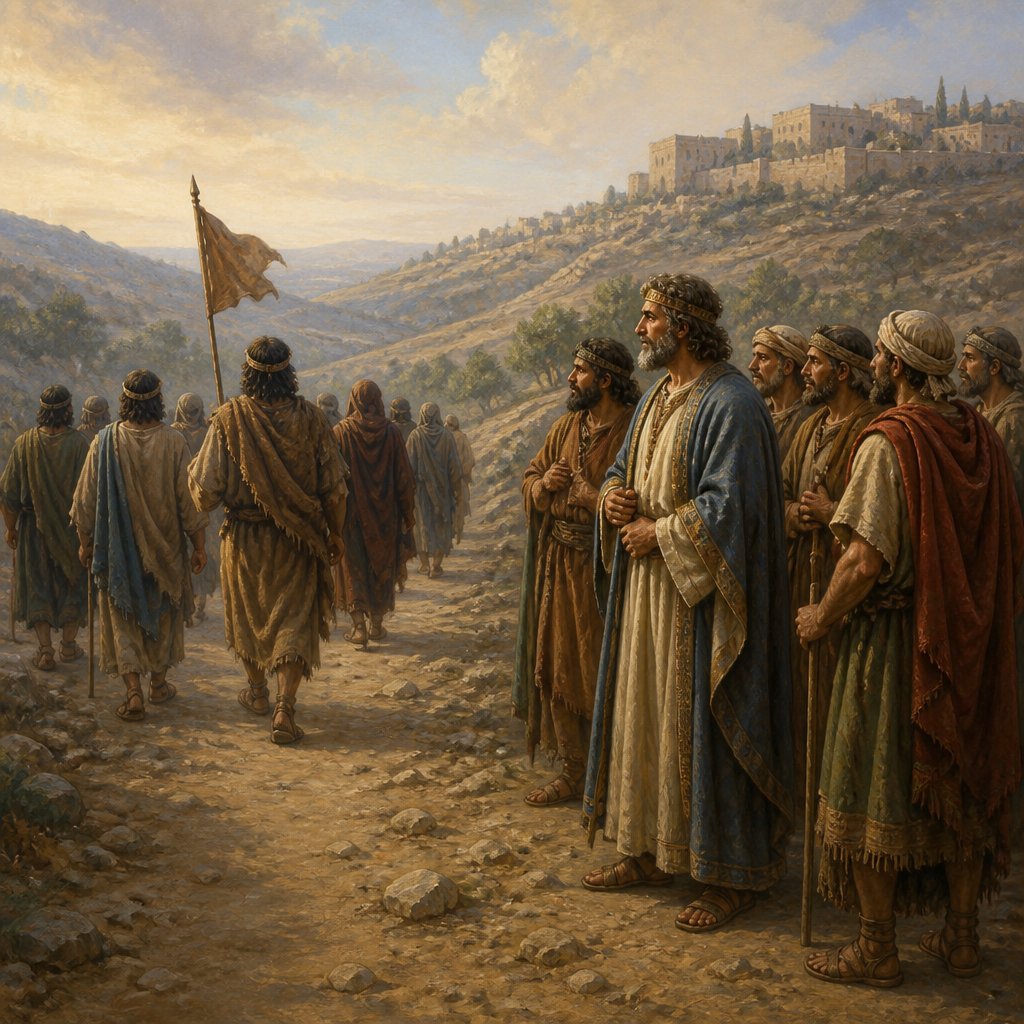
In 2 Samuel 20:2, we encounter a pivotal moment in Israel's history that echoes through time as a powerful illustration of loyalty and leadership. The scripture declares: "So every man of Israel went up from after David, and followed Sheba the son of Bichri: but the men of Judah clave unto their king, from Jordan even to Jerusalem." Here, we witness the division of the nation, where personal allegiance, ambition, and the quest for power disrupt the unity of a people who once followed their legitimate king – David.
This scene unfolds in a context rife with conflict. Absalom's rebellion had already shaken the foundations of David's reign. Now, even after a bitter victory, the kingdom is fracturing again. Sheba, a Benjamite, seizes the opportunity to challenge David’s authority, drawing away ten tribes of Israel to follow him. To grasp the significance of this event, we must delve deeper into the symbolism and the implications of their choices.
The men of Israel chose Sheba, a man of rebellion, despite David being their rightful king. Their actions signify a tragic turn towards division, as they abandon the anointed one of God! The act of following Sheba was not merely political; it was a departure from the covenantal love that had previously bonded them to David, a shepherd king chosen by God Himself. In doing so, they chose a path leading away from divine guidance and protection, a consequence that resonates through the ages — turning away from the rightful King carries dire repercussions.
In stark contrast, the men of Judah "clave unto their king". The word "clave" speaks to a deep, resolute form of commitment. It indicates loyalty, attachment, and an unyielding bond — one that holds firm amidst tumultuous circumstances. Judah’s allegiance reflects not only their recognition of David's kingship but also an understanding of the covenantal relationship they had with him as their leader. David was not just a king; he was a shepherd who cared for his flock, who wept for his people, and who had been tested by fire and refined through adversity.
Much can be gleaned from this biblical narrative. The first lesson revolves around loyalty amidst division. In our own lives, we are frequently faced with choices that demand our allegiance. Do we follow the easy path, driven by our ambitions, peers, or the prevailing winds of society, or do we, like those men of Judah, cling tenaciously to our King—Jesus Christ? In a world where voices clamour for our attention and allegiance, the pursuit of God’s Kingdom invites us to remain steadfast, reflecting on what it means to be a devoted follower of Christ.
Furthermore, we must consider the implications of split allegiances in our lives. Just as the men of Israel turned their backs on David, we too can be tempted to divert our trust from God to lesser “kings”—money, success, acceptance, or even personal agendas. However, the New Testament encourages us, reminding us that Jesus, our King, came not to be served, but to serve and give His life as a ransom for many (Matthew 20:28). In times of trials and uncertainties, we should cleave to Jesus, our Redeemer, who promises never to forsake us.
Finally, this passage beckons us to gather in unity under the banner of Christ, embracing the identity we have in Him as sons and daughters of the Kingdom. In a culture that often seeks to divide and conquer, the call to remain together as one body in Christ is profound. As men and women of faith, let us resolve to follow the one true King, binding ourselves to Him, from the "Jordan even to Jerusalem," declaring our loyalty not only in word but in action.
Ultimately, as we ponder this scripture, may we echo the hearts of the men of Judah: let us cleave to our King, making a firm stand against rebellion, embodying His love, and united in our mission to reflect His glory into a fractured world.
Get our apps


Artwork for 2 Samuel 20:2

2 Samuel 20:2 - "So every man of Israel went up from after David, and followed Sheba the son of Bichri: but the men of Judah clave unto their king, from Jordan even to Jerusalem."
"So every man of Israel went up from after David, and followed Sheba the son of Bichri: but the men of Judah clave unto their king, from Jordan even to Jerusalem." - 2 Samuel 20:2

2 Samuel 22:17-20

2 Samuel 2:20 - "Then Abner looked behind him, and said, Art thou Asahel? And he answered, I am."

2 Samuel 20:25 - "And Sheva was scribe: and Zadok and Abiathar were the priests:"

2 Samuel 20:20 - "And Joab answered and said, Far be it, far be it from me, that I should swallow up or destroy."

2 Samuel 20:24 - "And Adoram was over the tribute: and Jehoshaphat the son of Ahilud was recorder:"

2 Samuel 20:26 - "And Ira also the Jairite was a chief ruler about David."

2 Samuel 16:20 - "¶ Then said Absalom to Ahithophel, Give counsel among you what we shall do."

2 Samuel 1:20 - "Tell it not in Gath, publish it not in the streets of Askelon; lest the daughters of the Philistines rejoice, lest the daughters of the uncircumcised triumph."

2 Samuel 20:4 - "¶ Then said the king to Amasa, Assemble me the men of Judah within three days, and be thou here present."

2 Samuel 7:20 - "And what can David say more unto thee? for thou, Lord GOD, knowest thy servant."

2 Samuel 20:23 - "¶ Now Joab was over all the host of Israel: and Benaiah the son of Jehoiada was over the Cherethites and over the Pelethites:"

2 Samuel 22:20 - "He brought me forth also into a large place: he delivered me, because he delighted in me."

2 Samuel 20:13 - "When he was removed out of the highway, all the people went on after Joab, to pursue after Sheba the son of Bichri."

2 Samuel 3:20 - "So Abner came to David to Hebron, and twenty men with him. And David made Abner and the men that were with him a feast."

"And Sheva was scribe: and Zadok and Abiathar were the priests:" - 2 Samuel 20:25

2 Samuel 20:11 - "And one of Joab's men stood by him, and said, He that favoureth Joab, and he that is for David, let him go after Joab."

2 Samuel 20:9 - "And Joab said to Amasa, Art thou in health, my brother? And Joab took Amasa by the beard with the right hand to kiss him."

2 Samuel 20:18 - "Then she spake, saying, They were wont to speak in old time, saying, They shall surely ask counsel at Abel: and so they ended the matter."

2 Samuel 20:5 - "So Amasa went to assemble the men of Judah: but he tarried longer than the set time which he had appointed him."
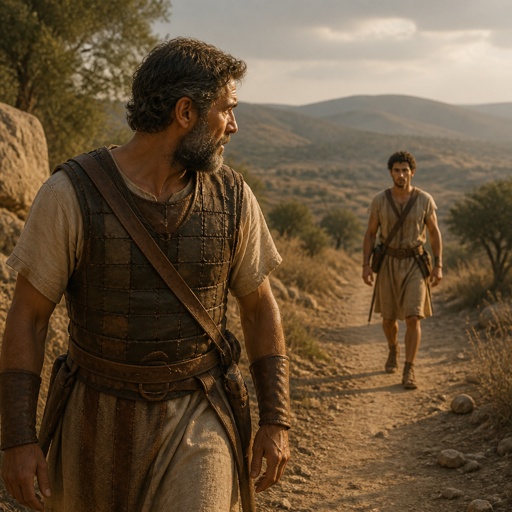
"Then Abner looked behind him, and said, Art thou Asahel? And he answered, I am." - 2 Samuel 2:20

"And Ira also the Jairite was a chief ruler about David." - 2 Samuel 20:26
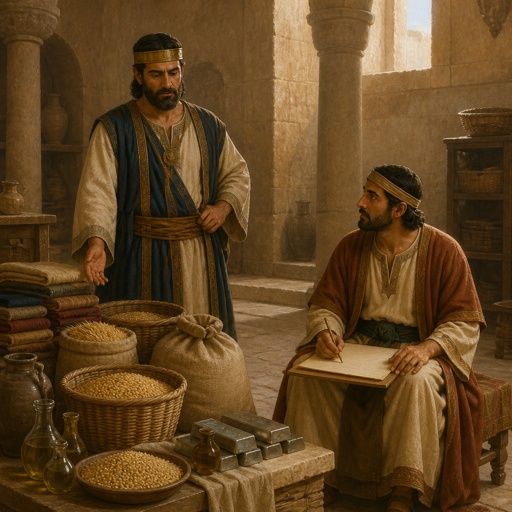
"And Adoram was over the tribute: and Jehoshaphat the son of Ahilud was recorder:" - 2 Samuel 20:24

2 Samuel 20:14 - "¶ And he went through all the tribes of Israel unto Abel, and to Beth-maachah, and all the Berites: and they were gathered together, and went also after him."
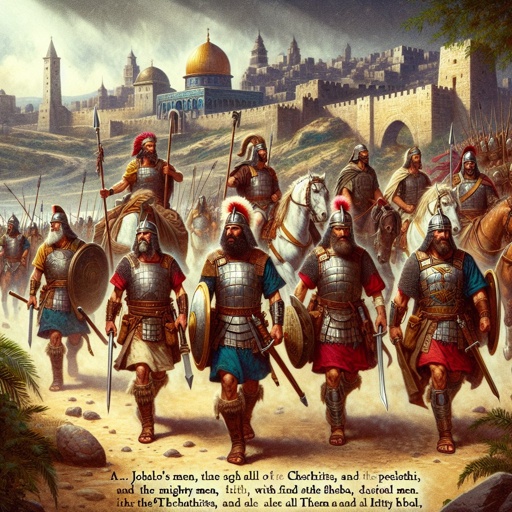
2 Samuel 20:7 - "And there went out after him Joab's men, and the Cherethites, and the Pelethites, and all the mighty men: and they went out of Jerusalem, to pursue after Sheba the son of Bichri."

1 Samuel 2:20 - "¶ And Eli blessed Elkanah and his wife, and said, The LORD give thee seed of this woman for the loan which is lent to the LORD. And they went unto their own home."
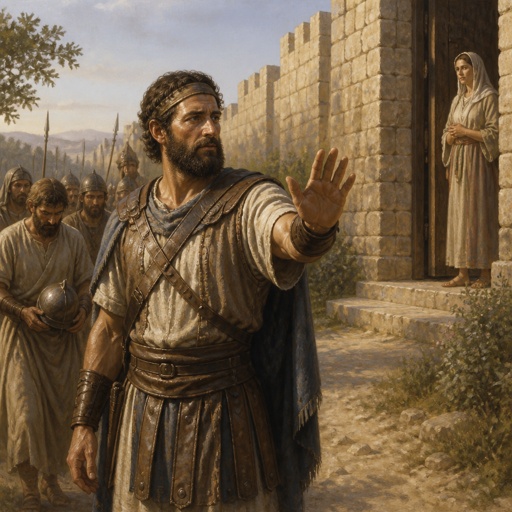
"And Joab answered and said, Far be it, far be it from me, that I should swallow up or destroy." - 2 Samuel 20:20

2 Samuel 20:19 - "I am one of them that are peaceable and faithful in Israel: thou seekest to destroy a city and a mother in Israel: why wilt thou swallow up the inheritance of the LORD?"

2 Samuel 20:16 - "¶ Then cried a wise woman out of the city, Hear, hear; say, I pray you, unto Joab, Come near hither, that I may speak with thee."