Atonement and Legacy: Embracing the Heart of David
“Wherefore David said unto the Gibeonites, What shall I do for you? and wherewith shall I make the atonement, that ye may bless the inheritance of the LORD?” — 2 Samuel 21:3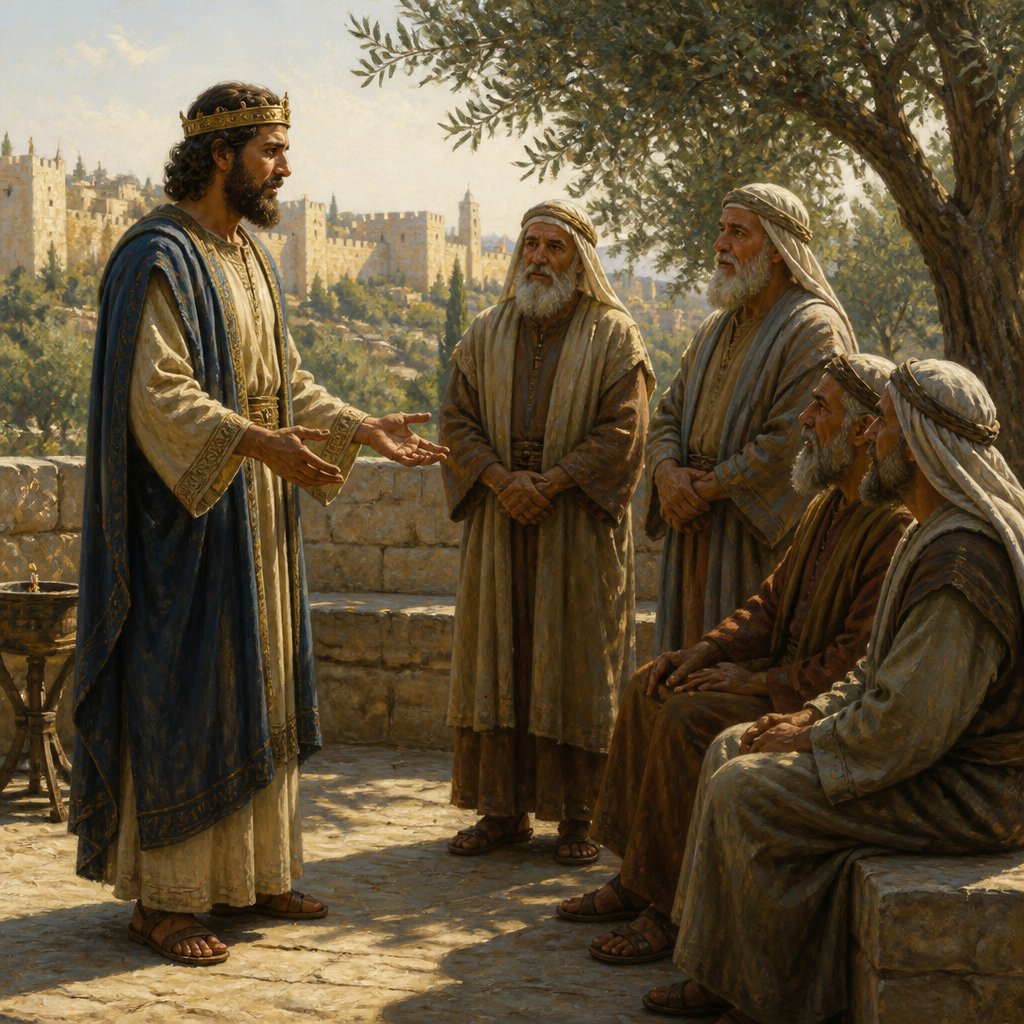
In the sacred narrative of 2 Samuel 21:3, we are confronted with a profound moment of interaction between King David and the Gibeonites: "Wherefore David said unto the Gibeonites, What shall I do for you? and wherewith shall I make the atonement, that ye may bless the inheritance of the LORD?" In this passage, we see an important aspect of leadership and the weight of legacy, both for David and for the people entrusted to his care. This scripture invites us to reflect deeply on the themes of responsibility, redemption, and the pursuit of God's blessing.
King David, revered as a man after God’s own heart, dealt with the fallout of a previous action taken by Saul, who had wronged the Gibeonites, a group of people with a significant historical relationship with Israel. The Gibeonites were originally Canaanites who had deceived Joshua into making a covenant of peace. Now, generations later, their covenant had been broken, resulting in a famine in Israel that David sought to rectify. This scenario speaks volumes about the lingering consequences of sin and the importance of honoring commitments made in the name of the Lord.
David's inquiry to the Gibeonites, "What shall I do for you?" emphasizes his humility and willingness to do whatever necessary to right the wrongs of the past. It serves as a reminder that true leaders do not shy away from confronting injustices, even those that predate their reign. They seek restoration and reconciliation—not merely for their sake, but for the sake of those they serve. In our own lives, when we recognize areas of hurt or injustice, how often do we take a David-like posture? Do we seek to understand the needs and desires of those we’ve wronged and pursue genuine atonement?
The phrase, "and wherewith shall I make the atonement," reflects the significance of sacrifice in the journey toward healing. Atonement is not merely about the act of asking for forgiveness; it often requires a tangible expression of remorse through actions. David understood that blessings from the Lord, experienced through the Gibeonites, were contingent upon making things right—a powerful lesson in the interconnectedness of our community relationships and our walk with God. As followers of Christ, this ought to challenge us to consider what atonement looks like in our lives. Are we willing to sacrifice pride, comfort, or resources to mend relationships that could lead to collective blessings from God?
Furthermore, David’s desire for the Gibeonites to "bless the inheritance of the LORD" encapsulates a mindset that recognizes our responsibilities extend beyond ourselves. It highlights that our actions have cascading effects that influence our families, communities, and future generations. How often do we consider the legacy we are building through our decisions? In securing a blessing for the Lord’s inheritance, David acknowledges that the well-being of the nation and their standing before God was intertwined with how they treated the Gibeonites.
In reflecting on 2 Samuel 21:3, we are encouraged to embrace a heart of deep humility and genuine repentance. We learn to ask those we have hurt how we can make amends and how to restore hope. Let us seek not only forgiveness but also the ways to actively bless the communities we inhabit, ensuring our actions build a legacy that honors God and uplifts others.
As we conclude this meditation, let us remember that just as David sought atonement and healing for his people, we too are called to embrace the journey of reconciliation—one that leads us closer to God’s heart, enriches our legacy, and ultimately blesses the inheritance of the Lord. May our lives reflect the grace and truth of Christ, echoing the love that seeks to heal and bless all of creation.
Get our apps


Artwork for 2 Samuel 21:3

2 Samuel 21:3 - "Wherefore David said unto the Gibeonites, What shall I do for you? and wherewith shall I make the atonement, that ye may bless the inheritance of the LORD?"
"Wherefore David said unto the Gibeonites, What shall I do for you? and wherewith shall I make the atonement, that ye may bless the inheritance of the LORD?" - 2 Samuel 21:3
1 Samuel 3:21
1 Samuel 3:21
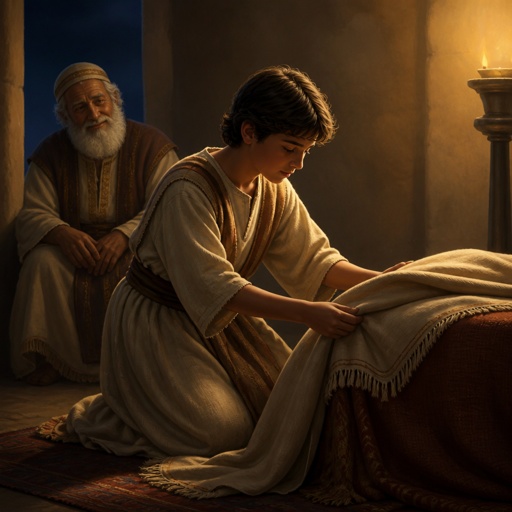
1 Samuel 3:21

1 Samuel 3:21
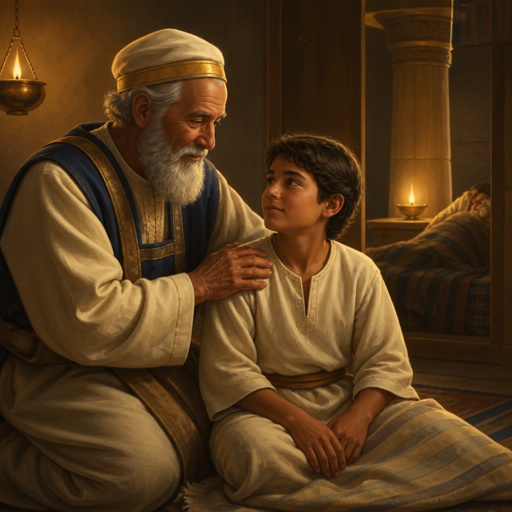
1 Samuel 3:19-21

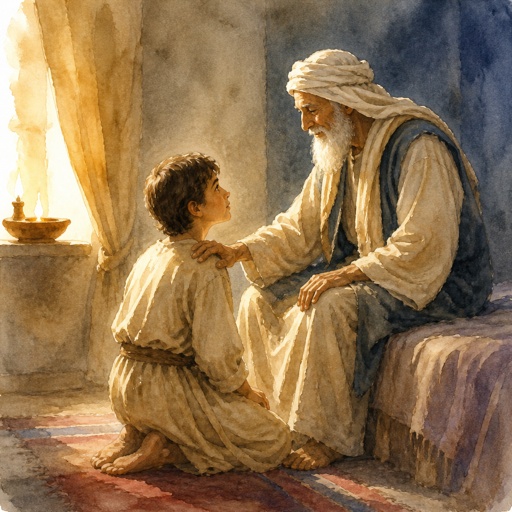
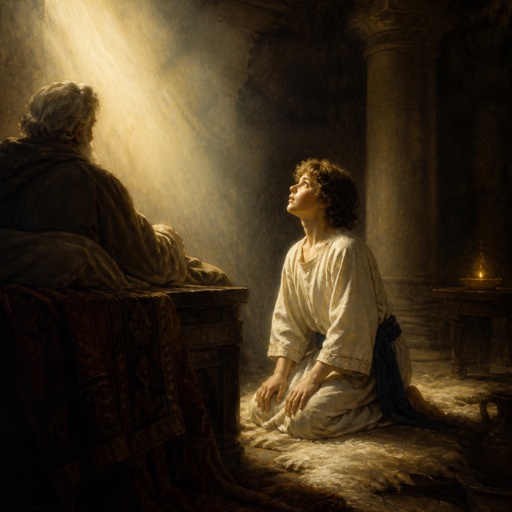
1 Samuel 3:21 - "And the LORD appeared again in Shiloh: for the LORD revealed himself to Samuel in Shiloh by the word of the LORD."
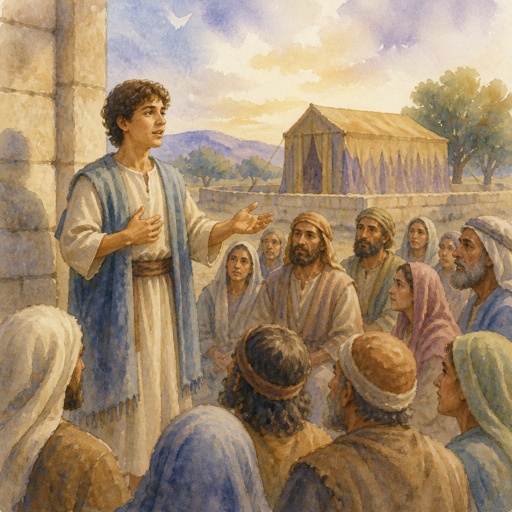
1 Samuel 3:21 Make Samuel a young adult before the people of Shiloh

2 Samuel 21:21 - "And when he defied Israel, Jonathan the son of Shimea the brother of David slew him."
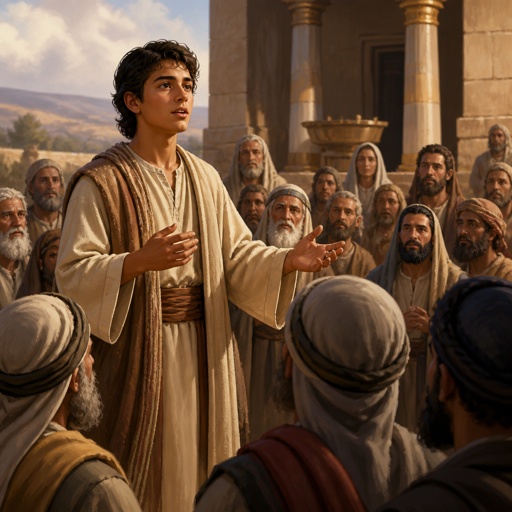
1 Samuel 3:21 Make Samuel a young man dressed as a prophet before the people of Shiloh

2 samuel 23:8-21

1 Samuel 21:3 - "Now therefore what is under thine hand? give me five loaves of bread in mine hand, or what there is present."
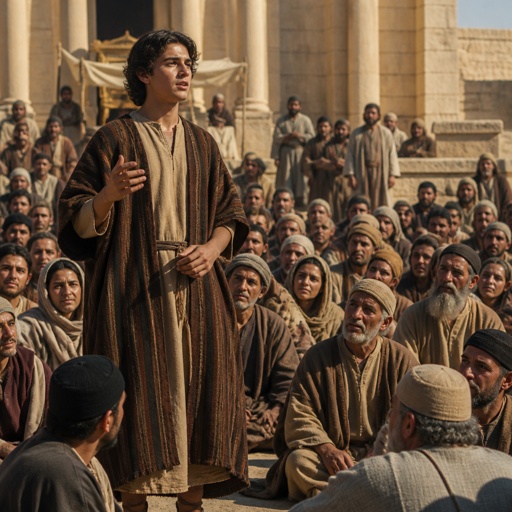
1 Samuel 3:21 make Samuel look like a young Jewish man who’s speaking with authority to a large crowd at Shiloh

2 Samuel 5:21 - "And there they left their images, and David and his men burned them."

1 Samuel 2:21 - "And the LORD visited Hannah, so that she conceived, and bare three sons and two daughters. And the child Samuel grew before the LORD."

2 Samuel 21:11 - "And it was told David what Rizpah the daughter of Aiah, the concubine of Saul, had done."

2 Samuel 13:21 - "¶ But when king David heard of all these things, he was very wroth."

2 Samuel 3:21 - "And Abner said unto David, I will arise and go, and will gather all Israel unto my lord the king, that they may make a league with thee, and that thou mayest reign over all that thine heart desireth. And David sent Abner away; and he went in peace."

2 Samuel 21:22 - "These four were born to the giant in Gath, and fell by the hand of David, and by the hand of his servants."

"And the LORD appeared again in Shiloh: for the LORD revealed himself to Samuel in Shiloh by the word of the LORD." - 1 Samuel 3:21

2 Samuel 3:2 - "¶ And unto David were sons born in Hebron: and his firstborn was Amnon, of Ahinoam the Jezreelitess;"

2 Samuel 4:3 - "And the Beerothites fled to Gittaim, and were sojourners there until this day.)"

2 Samuel 22:21 - "The LORD rewarded me according to my righteousness: according to the cleanness of my hands hath he recompensed me."

2 Samuel 19:21 - "But Abishai the son of Zeruiah answered and said, Shall not Shimei be put to death for this, because he cursed the LORD'S anointed?"

2 Samuel 21:18 - "And it came to pass after this, that there was again a battle with the Philistines at Gob: then Sibbechai the Hushathite slew Saph, which was of the sons of the giant."

2 Samuel 3:4 - "And the fourth, Adonijah the son of Haggith; and the fifth, Shephatiah the son of Abital;"

2 Samuel 3:3 - "And his second, Chileab, of Abigail the wife of Nabal the Carmelite; and the third, Absalom the son of Maacah the daughter of Talmai king of Geshur;"

2 Samuel 21:13 - "And he brought up from thence the bones of Saul and the bones of Jonathan his son; and they gathered the bones of them that were hanged."

2 Samuel 21:7 - "But the king spared Mephibosheth, the son of Jonathan the son of Saul, because of the LORD'S oath that was between them, between David and Jonathan the son of Saul."