Covenant Love: The Legacy of Grace
“But the king spared Mephibosheth, the son of Jonathan the son of Saul, because of the LORD’s oath that was between them, between David and Jonathan the son of Saul.” — 2 Samuel 21:7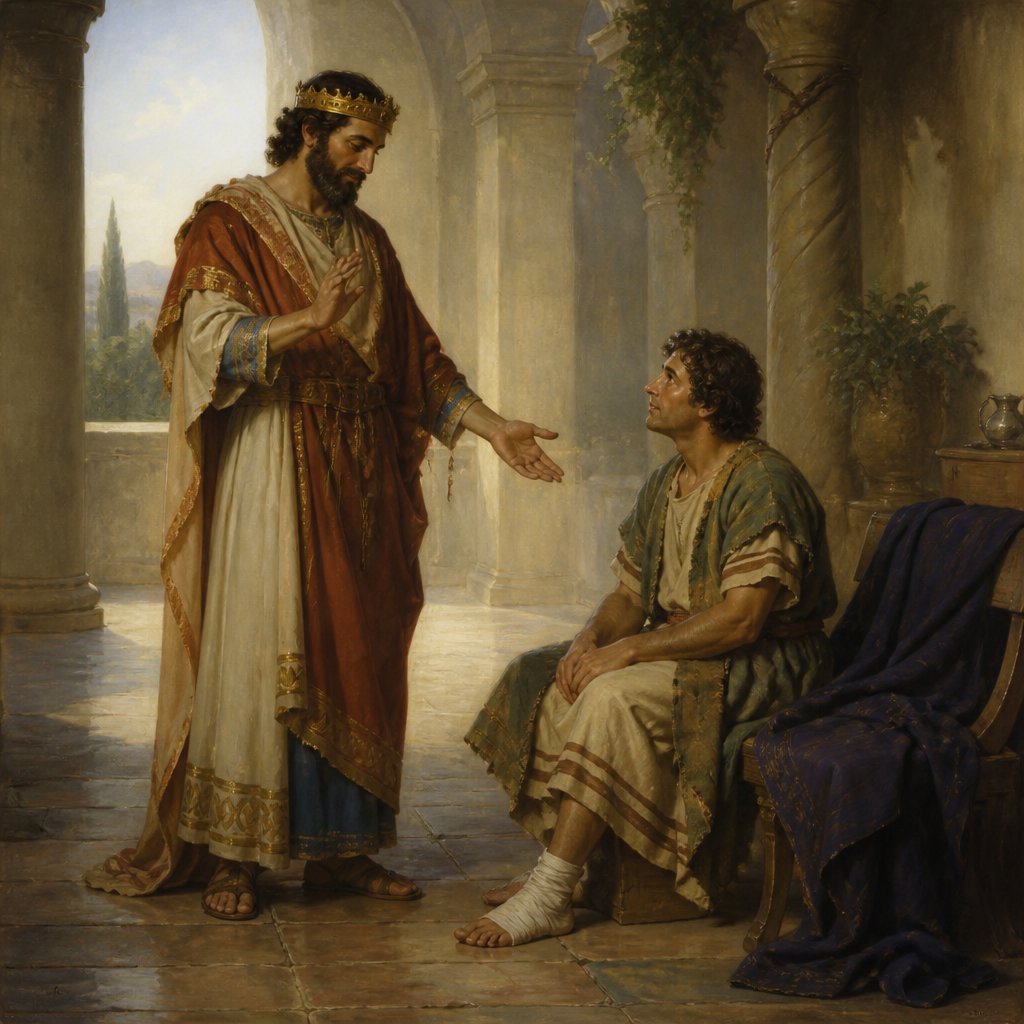
In the realm of human relationships, promises can often be fleeting or conditional. Yet, there exists a higher covenant, grounded in the steadfast love of God—an unwavering commitment that transcends circumstances and bloodlines. The verse from 2 Samuel 21:7 serves as a poignant reminder of this divine principle: "But the king spared Mephibosheth, the son of Jonathan the son of Saul, because of the LORD'S oath that was between them, between David and Jonathan the son of Saul."
This passage encapsulates a profound moment in the life of King David, now firmly established on the throne of Israel. David’s decision to spare Mephibosheth, Jonathan’s son and Saul’s grandson, was not merely a political move but a demonstration of loyalty and love born out of a sacred covenant. To understand the weight of this act, we must revisit the context in which David and Jonathan's bond was forged.
David and Jonathan shared an inseparable friendship, rooted in mutual respect and a deep love for God. In 1 Samuel 18, we witness their souls knit together, a bond so strong that Jonathan was willing to relinquish his claim to the throne in favor of David, whom God had anointed as king. Their covenant, solidified in love and honor, was recognized as a sacred commitment to each other's wellbeing, transcending familial loyalties, especially in a context where political rivalry could easily justify violence.
The backdrop of 2 Samuel 21 reveals a time of turmoil and retribution following the famine in David's kingdom, arising as a consequence of Saul’s disobedience. Here, David is confronted with the necessity of dealing with Saul's descendants due to the blood feud that lingered from Saul's reign. But rather than following the trajectory expected from a king under duress, David leaned into the promise he had made to Jonathan. His sparing of Mephibosheth—lame and marginalized—illustrates a model of grace and mercy that often eludes human governance.
The decision to spare Mephibosheth was profoundly significant. Mephibosheth, who had been living in obscurity, represents the often-forgotten individuals who still carry the legacy of their forebears. He was not the grandson of Jonathan shared by a legacy of glory but a man burdened by disability and bearing the stigma of being part of a lineage that had once sought David's life. In this instance, Mephibosheth embodies not just a person but a crucial lesson about redemption. David’s grace shows us that past sins do not have the power to dictate the future when forgiveness and love are intertwined with divine purpose.
When David recalled the oath made with Jonathan, he looked beyond societal norms and legalistic justice. His actions exemplified the very nature of God’s grace, which invites us to live into our call rather than our failures. This act of compassion can prompt us to reflect on our own lives: Are we holding onto grudges that prevent us from extending grace? Do we allow the conditions of society to determine whom we love and whom we spare? The covenantal love that David exhibited towards Mephibosheth compels us towards living out our faith actively, reminding us to be ambassadors of grace, unconditionally and unreservedly.
Furthermore, this royal act mirrors Christ’s relationship with humanity: just as David spared Mephibosheth out of love, Christ offers us eternal life through His sacrifice, prompting us to spare others the condemnation they might justly deserve. As followers of Christ, we are called to live in a manner that reflects this grace, to reach out to those who feel forgotten, marginalized, or unworthy, just as David reached out to Mephibosheth.
As we meditate on the legacy of David and Jonathan, let us embrace the truth that God’s covenantal love knows no bounds. It empowers us to act with compassion, mercy, and grace in a world often filled with division. May we remember that through our commitments and the oaths we share—in family, friendship, and community—we hold the ability to reflect God's love towards others, bringing hope and healing to our broken world.
Get our apps


Artwork for 2 Samuel 21:7

2 Samuel 21:7 - "But the king spared Mephibosheth, the son of Jonathan the son of Saul, because of the LORD'S oath that was between them, between David and Jonathan the son of Saul."
"But the king spared Mephibosheth, the son of Jonathan the son of Saul, because of the LORD'S oath that was between them, between David and Jonathan the son of Saul." - 2 Samuel 21:7

2 Samuel 7:21 - "For thy word's sake, and according to thine own heart, hast thou done all these great things, to make thy servant know them."

2 Samuel 21:21 - "And when he defied Israel, Jonathan the son of Shimea the brother of David slew him."

2 samuel 23:8-21

2 Samuel 5:21 - "And there they left their images, and David and his men burned them."

1 Samuel 2:21 - "And the LORD visited Hannah, so that she conceived, and bare three sons and two daughters. And the child Samuel grew before the LORD."

1 Samuel 21:7 - "Now a certain man of the servants of Saul was there that day, detained before the LORD; and his name was Doeg, an Edomite, the chiefest of the herdmen that belonged to Saul."

2 Samuel 21:11 - "And it was told David what Rizpah the daughter of Aiah, the concubine of Saul, had done."

2 Samuel 13:21 - "¶ But when king David heard of all these things, he was very wroth."

2 samuel 9:7 fhdhdhdhhd

2 Samuel 7:1–29

2 Samuel 21:22 - "These four were born to the giant in Gath, and fell by the hand of David, and by the hand of his servants."

2 Samuel 5:7 - "Nevertheless David took the strong hold of Zion: the same is the city of David."

2 Samuel 7:4 - "¶ And it came to pass that night, that the word of the LORD came unto Nathan, saying,"

2 Samuel 22:21 - "The LORD rewarded me according to my righteousness: according to the cleanness of my hands hath he recompensed me."

2 Samuel 19:21 - "But Abishai the son of Zeruiah answered and said, Shall not Shimei be put to death for this, because he cursed the LORD'S anointed?"

2 Samuel 21:18 - "And it came to pass after this, that there was again a battle with the Philistines at Gob: then Sibbechai the Hushathite slew Saph, which was of the sons of the giant."

2 Samuel 21:13 - "And he brought up from thence the bones of Saul and the bones of Jonathan his son; and they gathered the bones of them that were hanged."
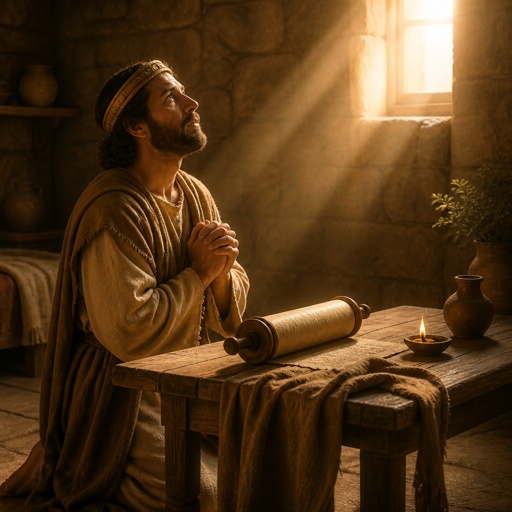
"For thy word's sake, and according to thine own heart, hast thou done all these great things, to make thy servant know them." - 2 Samuel 7:21

2 Samuel 10:7 - "And when David heard of it, he sent Joab, and all the host of the mighty men."

1 Samuel 2:7 - "The LORD maketh poor, and maketh rich: he bringeth low, and lifteth up."

2 Samuel 8:7 - "And David took the shields of gold that were on the servants of Hadadezer, and brought them to Jerusalem."

2 Samuel 17:7 - "And Hushai said unto Absalom, The counsel that Ahithophel hath given is not good at this time."

2 Samuel 7:3 - "And Nathan said to the king, Go, do all that is in thine heart; for the LORD is with thee."

2 Samuel 7:2 - "That the king said unto Nathan the prophet, See now, I dwell in an house of cedar, but the ark of God dwelleth within curtains."

2 Samuel 21:5 - "And they answered the king, The man that consumed us, and that devised against us that we should be destroyed from remaining in any of the coasts of Israel,"

"And when he defied Israel, Jonathan the son of Shimea the brother of David slew him." - 2 Samuel 21:21

2 Samuel 18:21 - "Then said Joab to Cushi, Go tell the king what thou hast seen. And Cushi bowed himself unto Joab, and ran."

2 Samuel 14:21 - "¶ And the king said unto Joab, Behold now, I have done this thing: go therefore, bring the young man Absalom again."