The Weight of Leadership: A Reflection on Loyalty and Justice
“For all the people and all Israel understood that day that it was not of the king to slay Abner the son of Ner.” — 2 Samuel 3:37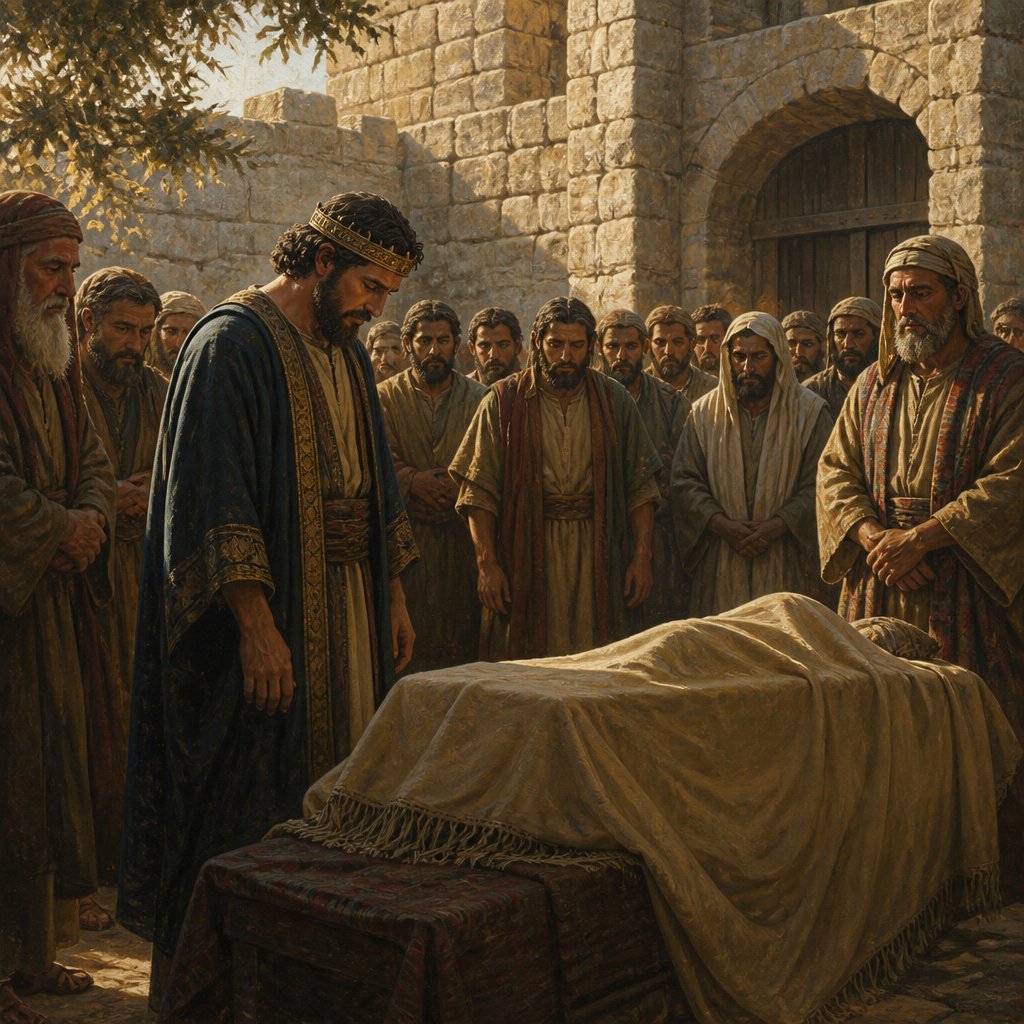
**Introduction**
In 2 Samuel 3:37, we find a poignant moment in the tumultuous life of David as he navigates the complexities of leadership, loyalty, and justice: "For all the people and all Israel understood that day that it was not of the king to slay Abner the son of Ner" (KJV). This verse encapsulates a critical juncture in David’s reign, revealing the profound effects of leadership decisions on public perception and the weighty responsibility of those who lead.
**The Context**
To fully grasp the significance of this verse, we must consider the context in which it occurs. Abner, the commander of Saul’s army, had switched his allegiance to David after Saul’s death, attempting to unite the nation of Israel under David’s rule. However, he was brutally killed by Joab, David’s military commander, out of personal vengeance and jealousy, rather than any divine mandate or royal order.
David’s response to Abner’s death was intentional and profound. He mourned deeply for Abner, publicly lamenting for him and declaring his innocence. His actions were not merely political; they were deeply moral. David understood that the heart of a leader must resonate with justice, integrity, and honor, and that the true test of his kingship was not just in leading the people, but also in safeguarding the truth.
**Understanding Leadership Through David**
Here, David manifests what it means to practice righteous leadership. It is easy to assume that leadership is a position of power, but in reality, it is a platform of immense responsibility. David’s lamentation over Abner highlights a leader’s duty to uphold justice, even towards those who once stood against him. He did not allow personal grievances or the pressure of his commanders to cloud his judgment. Instead, he chose to proclaim the truth, exemplifying humility and compassion.
As believers, we must evaluate the implications of this verse in our own lives. How do we respond to conflicts within our communities or workplaces? Do we allow personal biases to dictate our actions, or do we strive to act with integrity, seeking to redeem and restore rather than punish unfairly? In our respective spheres of influence, we must remember that the eyes of those around us are on our actions and decisions. Like David, we are called to represent righteousness and justice, especially in difficult circumstances.
**The People's Reaction**
The verse states that "all the people and all Israel understood that day" the gravity of David’s innocence in Abner’s death. The collective understanding and acknowledgment by the people serve as a reminder of the importance of clear communication from leaders. Leadership is not solely about making decisions; it is about conveying intentions transparently, so the people can trust in their leaders’ integrity.
David reclaimed his moral authority by publicly displaying his grief and denouncing Joab’s actions, reminding the people of his commitment to justice. It teaches us that our integrity leads to influence. When leaders act in righteousness, their actions can inspire loyalty and trust among their followers, strengthening community bonds.
**Conclusion**
In our journey of faith and leadership, let us strive to embody the qualities demonstrated by David: integrity, justice, empathy, and humility. May we be reminded that our actions carry weight and have the power to influence those around us. As we navigate the complexities of our environments, let us seek the Lord’s guidance, ensuring that our decisions reflect His character and principles.
In this complex world, let us not forget the words of 2 Samuel 3:37: our leadership must reflect righteousness, and the legacy we leave should be one of loyalty to truth and justice, ultimately guiding our hearts and the hearts of those we lead towards God’s perfect will.
Get our apps


Artwork for 2 Samuel 3:37

2 Samuel 3:37 - "For all the people and all Israel understood that day that it was not of the king to slay Abner the son of Ner."

"For all the people and all Israel understood that day that it was not of the king to slay Abner the son of Ner." - 2 Samuel 3:37

2 Samuel 3:7 - "And Saul had a concubine, whose name was Rizpah, the daughter of Aiah: and Ish-bosheth said to Abner, Wherefore hast thou gone in unto my father's concubine?"

2 Samuel 23:37 - "Zelek the Ammonite, Naharai the Beerothite, armourbearer to Joab the son of Zeruiah,"

2 Samuel 15:37 - "So Hushai David's friend came into the city, and Absalom came into Jerusalem."

2 Samuel 22:37 - "Thou hast enlarged my steps under me; so that my feet did not slip."

2 Samuel 13:37 - "¶ But Absalom fled, and went to Talmai, the son of Ammihud, king of Geshur. And David mourned for his son every day."
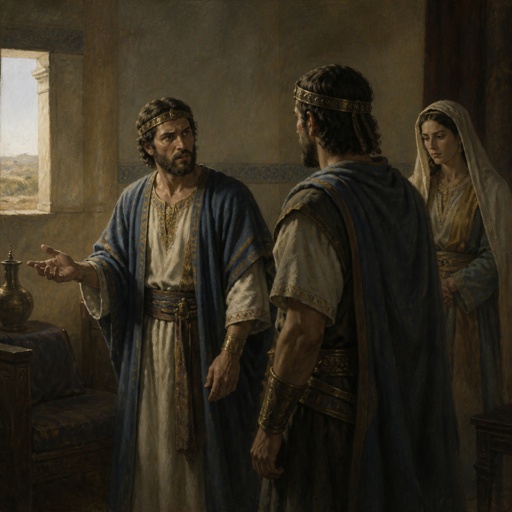
"And Saul had a concubine, whose name was Rizpah, the daughter of Aiah: and Ish-bosheth said to Abner, Wherefore hast thou gone in unto my father's concubine?" - 2 Samuel 3:7

1 Samuel 3:7 - "Now Samuel did not yet know the LORD, neither was the word of the LORD yet revealed unto him."

"Zelek the Ammonite, Naharai the Beerothite, armourbearer to Joab the son of Zeruiah," - 2 Samuel 23:37

"So Hushai David's friend came into the city, and Absalom came into Jerusalem." - 2 Samuel 15:37

2 Samuel 3:2 - "¶ And unto David were sons born in Hebron: and his firstborn was Amnon, of Ahinoam the Jezreelitess;"

2 Samuel 4:3 - "And the Beerothites fled to Gittaim, and were sojourners there until this day.)"

2 Samuel 3:4 - "And the fourth, Adonijah the son of Haggith; and the fifth, Shephatiah the son of Abital;"

2 Samuel 3:3 - "And his second, Chileab, of Abigail the wife of Nabal the Carmelite; and the third, Absalom the son of Maacah the daughter of Talmai king of Geshur;"

2 Samuel 3:11 - "And he could not answer Abner a word again, because he feared him."

2 Samuel 3:33 - "And the king lamented over Abner, and said, Died Abner as a fool dieth?"

2 Samuel 3:5 - "And the sixth, Ithream, by Eglah David's wife. These were born to David in Hebron."

2 Samuel 2:3 - "And his men that were with him did David bring up, every man with his household: and they dwelt in the cities of Hebron."

"Thou hast enlarged my steps under me; so that my feet did not slip." - 2 Samuel 22:37

2 Samuel 7:3 - "And Nathan said to the king, Go, do all that is in thine heart; for the LORD is with thee."

"Now Samuel did not yet know the LORD, neither was the word of the LORD yet revealed unto him." - 1 Samuel 3:7

2 Samuel 3:15 - "And Ish-bosheth sent, and took her from her husband, even from Phaltiel the son of Laish."

2 Samuel 3:36 - "And all the people took notice of it, and it pleased them: as whatsoever the king did pleased all the people."

2 Samuel 14:3 - "And come to the king, and speak on this manner unto him. So Joab put the words in her mouth."

Nabal becomes like stone in 1 Samuel 25:37

Nabal becomes like stone in 1 Samuel 25:37

2 Samuel 3:6 - "¶ And it came to pass, while there was war between the house of Saul and the house of David, that Abner made himself strong for the house of Saul."

2 Samuel 3:38 - "And the king said unto his servants, Know ye not that there is a prince and a great man fallen this day in Israel?"

"¶ But Absalom fled, and went to Talmai, the son of Ammihud, king of Geshur. And David mourned for his son every day." - 2 Samuel 13:37