The Power of Blessing: David’s Example of Worship
“And as soon as David had made an end of offering burnt offerings and peace offerings, he blessed the people in the name of the LORD of hosts.” — 2 Samuel 6:18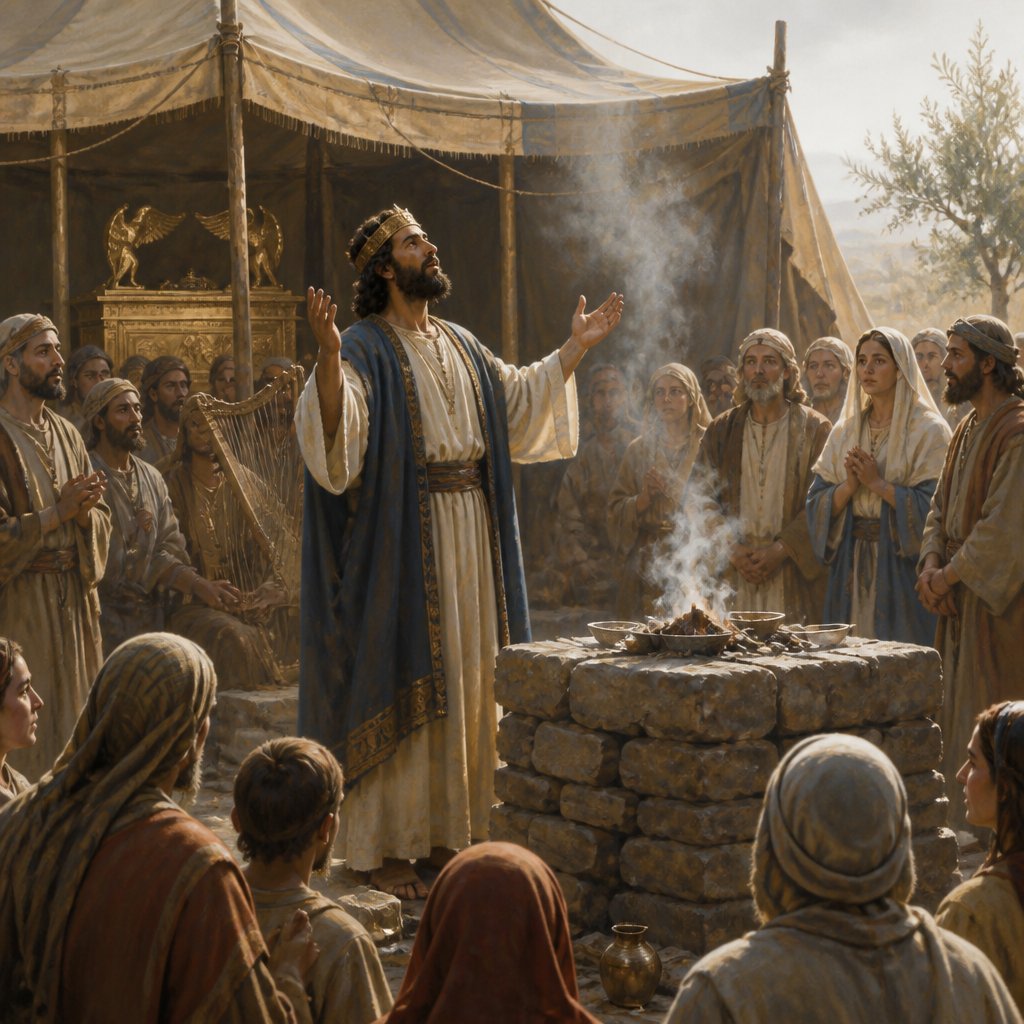
In the midst of David’s reign, we encounter a profound moment woven into the fabric of his leadership and spiritual devotion. 2 Samuel 6:18 states, "And as soon as David had made an end of offering burnt offerings and peace offerings, he blessed the people in the name of the LORD of hosts." This singular verse encapsulates not only a significant event in the life of David but also offers rich lessons on worship, the nature of blessing, and the character of God that we can draw upon for our own lives.
David had just returned the Ark of the Covenant to Jerusalem, a long-awaited moment for the people of Israel. This act symbolized the restoration of God’s presence among His people. When we step into the narrative, we witness David’s ardent worship as he sacrifices burnt offerings and peace offerings—acts that require a generous heart and a sincere spirit. In the burnt offerings, we see the concept of total dedication to God, while the peace offerings represent communion and fellowship not just with God, but with one another.
David’s worship is not just a ritualistic action; it is a profound display of love and reverence towards the Lord. After completing the offerings, he blesses the people, which indicates his role as a mediator between God and His chosen. A blessing in biblical terms is a verbal expression of good favor and is often accompanied by an invocation of divine presence and providence. David does not merely wish goodness upon the people but pronounces God’s favor upon them, using the title "the LORD of hosts," which signifies God’s sovereignty over all creation, including the armies of heaven. This implies that in invoking God’s name, David acknowledges that the source of every blessing is God Himself.
Moreover, the act of blessing the people demonstrates the collective nature of worship. David was not serving merely in isolation; he understood that his relationship with the Lord had communal implications. His leadership was directed towards an entire nation, and as the anointed king, he had a responsibility to guide them not just in political matters but in spiritual endeavors as well. When he blessed the people, he imparted a spiritual heritage and reminded them of their identity as chosen ones under the grace of God. David understood that blessings often require a communal expression, allowing the entirety of Israel to participate in the joy of God’s presence.
As we reflect upon this passage, it compels us to think about our own relationships. How often do we engage in worship that culminates in a blessing towards others? Are our prayers directed solely for our own benefit, or do we take the time to bless our families, friends, and communities in the name of the Lord? In a culture that often emphasizes individualism, David’s example calls us back to the heart of communal worship.
Furthermore, David’s approach illuminates the essence of sacrificial living. The burnt and peace offerings represent an act of giving—a surrender of oneself to God’s will and purpose. As believers, we are invited to offer our lives, our resources, our talents, and our time as living sacrifices. Romans 12:1 reminds us to present our bodies a living sacrifice, holy, acceptable unto God, which is our reasonable service. In this, we reflect the nature of Christ who, through His sacrifice, made the ultimate provision for us.
In conclusion, David’s blessing of the people in 2 Samuel 6:18 serves as both a model for worship and an exhortation. It teaches us about the importance of recognizing God’s sovereignty, the power of collective blessing, and the necessity of sacrificial living. May we be encouraged to deepen our worship, pronounce blessings over others in the name of the Lord, and remember that in all of our endeavors, it is God who is the source of every good gift.
Get our apps


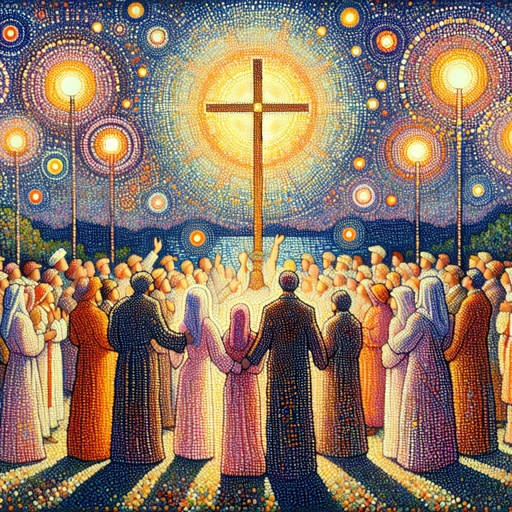
Artwork for 2 Samuel 6:18

2 Samuel 6:18 - "And as soon as David had made an end of offering burnt offerings and peace offerings, he blessed the people in the name of the LORD of hosts."
"And as soon as David had made an end of offering burnt offerings and peace offerings, he blessed the people in the name of the LORD of hosts." - 2 Samuel 6:18

2 Samuel 18:6 - "¶ So the people went out into the field against Israel: and the battle was in the wood of Ephraim;"

2 Samuel 6:14
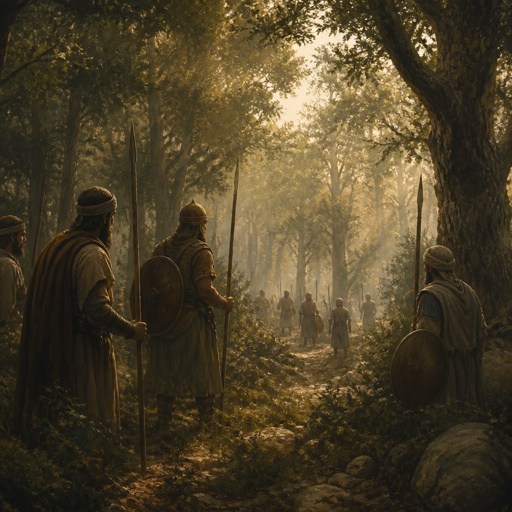
"¶ So the people went out into the field against Israel: and the battle was in the wood of Ephraim;" - 2 Samuel 18:6
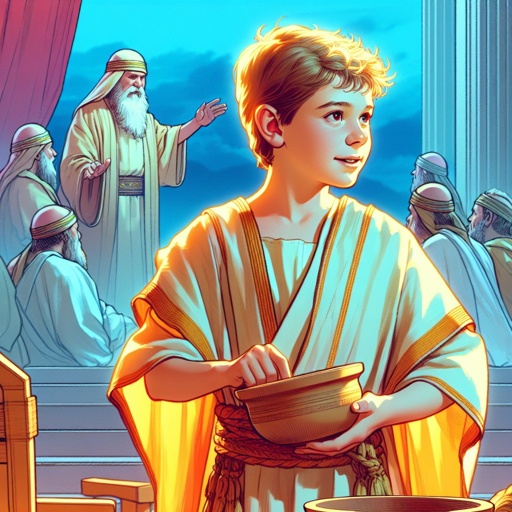
1 Samuel 2:18 - "¶ But Samuel ministered before the LORD, being a child, girded with a linen ephod."

2 Samuel 6:14–22

2 Samuel 5:18 - "The Philistines also came and spread themselves in the valley of Rephaim."

2 Samuel 2:18 - "¶ And there were three sons of Zeruiah there, Joab, and Abishai, and Asahel: and Asahel was as light of foot as a wild roe."

2 Samuel 11:18 - "¶ Then Joab sent and told David all the things concerning the war;"
2 Corinthians 6:14-18

2 Samuel 6:1 - "Again, David gathered together all the chosen men of Israel, thirty thousand."

2 Samuel 6:23 - "Therefore Michal the daughter of Saul had no child unto the day of her death."

1 Samuel 18:2 - "And Saul took him that day, and would let him go no more home to his father's house."

2 Samuel 6:6 - "¶ And when they came to Nachon's threshingfloor, Uzzah put forth his hand to the ark of God, and took hold of it; for the oxen shook it."

2 Samuel 18:10 - "And a certain man saw it, and told Joab, and said, Behold, I saw Absalom hanged in an oak."

2 Samuel 8:18 - "And Benaiah the son of Jehoiada was over both the Cherethites and the Pelethites; and David's sons were chief rulers."

2 Samuel 18:1 - "And David numbered the people that were with him, and set captains of thousands and captains of hundreds over them."

2 Samuel 18:15 - "And ten young men that bare Joab's armour compassed about and smote Absalom, and slew him."

"¶ But Samuel ministered before the LORD, being a child, girded with a linen ephod." - 1 Samuel 2:18

2 Samuel 22:6 - "The sorrows of hell compassed me about; the snares of death prevented me;"

2 Samuel 1:18 - "(Also he bade them teach the children of Judah the use of the bow: behold, it is written in the book of Jasher.)"

2 Samuel 18:30 - "And the king said unto him, Turn aside, and stand here. And he turned aside, and stood still."

2 Samuel 18:16 - "And Joab blew the trumpet, and the people returned from pursuing after Israel: for Joab held back the people."

2 Samuel 18:7 - "Where the people of Israel were slain before the servants of David, and there was there a great slaughter that day of twenty thousand men."

2 Samuel 18:8 - "For the battle was there scattered over the face of all the country: and the wood devoured more people that day than the sword devoured."

1 Samuel 2:6 - "The LORD killeth, and maketh alive: he bringeth down to the grave, and bringeth up."

2 Samuel 24:6 - "Then they came to Gilead, and to the land of Tahtim-hodshi; and they came to Dan-jaan, and about to Zidon,"

2 Samuel 21:18 - "And it came to pass after this, that there was again a battle with the Philistines at Gob: then Sibbechai the Hushathite slew Saph, which was of the sons of the giant."

2 Samuel 6:14 - "And David danced before the LORD with all his might; and David was girded with a linen ephod."