Faith Under Fire: The Martyrdom of James
“And he killed James the brother of John with the sword.” — Acts 12:2
The passage from Acts 12:2 states, "And he killed James the brother of John with the sword." This statement is brief yet heavy with theological and historical implications. It opens a window into the world of the early church, a world where persecution and faith existed in a dramatic tension that is often foreign in our contemporary context.
James, the brother of John, also known as the Sons of Thunder, was one of Jesus’ closest disciples. He was not just an apostle; he was part of the inner circle that witnessed profound moments in Jesus’ ministry. From the Transfiguration (Matthew 17:1-9) to the agony in the Garden of Gethsemane (Matthew 26:36-46), James was there. This familiar relationship with the Lord does not shield him from the harsh realities of following Christ. His martyrdom serves as a stark reminder of the costs associated with discipleship.
The political backdrop of Acts 12 is significant. King Herod Agrippa I, who sought to please the Jewish leaders, turned to persecution as a way to strengthen his political standing. Killing James was not just a violent act; it was a calculated move to suppress the growing Christian movement and appease the traditional religious authority of the time. In this, we see how the Gospel can provoke hostility. James’ fate reveals the political and spiritual hostility that believers can face when they stand for truth amidst a culture that often opposes it.
If we step back to contemplate James’ execution, we can learn much about the nature of faith. It is evident that early Christians did not view their faith as a guarantee of safety or ease in this life. Instead, they embraced a theology that acknowledged suffering as part of the Christian experience. In the letters of Paul, for instance, he shares not only the joy of the Gospel but also the hardships endured for the sake of Christ (2 Corinthians 11:23-27). James’ story is not isolated; it aligns with the broader narrative of suffering and triumph seen throughout Scripture.
In facing martyrdom, James legitimizes the Christian journey, where faith does not exempt us from trials but equips us to endure them. His death invites us to reflect on the gravity of our own commitments to Christ. Are we, like James, prepared to witness to our faith regardless of the consequences?
Moreover, James' martyrdom presents us with a challenge in how we perceive suffering. For many, faith can seem like a road paved with blessings and prosperity. However, the early church teaches us that suffering can also be a path to deeper fellowship with Christ. Philippians 3:10 expresses the desire to "know him, and the power of his resurrection, and the fellowship of his sufferings, being made conformable unto his death." Our understanding of fellowship with Christ must expand to include both the triumphs and trials we face.
The execution of James acts as a reminder to support our brothers and sisters in Christ who face persecution around the globe today. Organizations and ministries that work to care for the persecuted church exist precisely because the fight for faith continues to be a perilous journey for many believers. Our prayers, resources, and voices can contribute to fortifying the faith of those enduring such trials.
In a world that seems increasingly indifferent, if not hostile, to the Christian faith, let James’ witness inspire us. His courage, sacrifice, and unwavering commitment to Christ challenge us to advance in our own faith journeys with diligence and purpose. May we not shy away from the call to discipleship but embrace it wholeheartedly, prepared to stand firm, even in the face of adversity.
As we reflect on Acts 12:2, let us remember that the call to follow Jesus comes with sacrifices—some may be small, and others may be greater than we ever anticipated. In our commitment, resolve to witness boldly for the truth of the Gospel, just as James did, recognizing that even in death, there is victory in Christ.
Get our apps


Artwork for Acts 12:2

Acts 12:2 - "And he killed James the brother of John with the sword."

"And he killed James the brother of John with the sword." - Acts 12:2

Acts 2:12 - "And they were all amazed, and were in doubt, saying one to another, What meaneth this?"

2 Kings 12:19 - "¶ And the rest of the acts of Joash, and all that he did, are they not written in the book of the chronicles of the kings of Judah?"

2 Chronicles 12:15 - "Now the acts of Rehoboam, first and last, are they not written in the book of Shemaiah the prophet, and of Iddo the seer concerning genealogies? And there were wars between Rehoboam and Jeroboam continually."

2 Kings 13:12 - "And the rest of the acts of Joash, and all that he did, and his might wherewith he fought against Amaziah king of Judah, are they not written in the book of the chronicles of the kings of Israel?"

Acts 28:12

Acts 18:12

Acts 18:12

"And they were all amazed, and were in doubt, saying one to another, What meaneth this?" - Acts 2:12

Acts 4:8-12

acts 20:7-12

Acts 12:24 - "¶ But the word of God grew and multiplied."

Acts 2:2

"¶ And the rest of the acts of Joash, and all that he did, are they not written in the book of the chronicles of the kings of Judah?" - 2 Kings 12:19

Acts 2:2
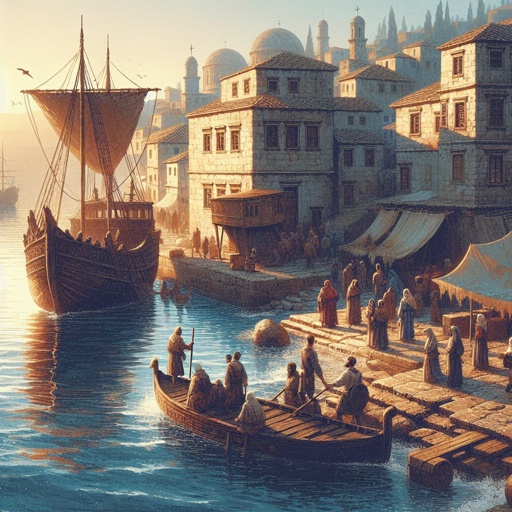
Acts 28:12 - "And landing at Syracuse, we tarried there three days."

Acts 12:22 - "And the people gave a shout, saying, It is the voice of a god, and not of a man."

Acts 20:12 - "And they brought the young man alive, and were not a little comforted."

Acts 12:13 - "And as Peter knocked at the door of the gate, a damsel came to hearken, named Rhoda."

Acts 14:12 - "And they called Barnabas, Jupiter; and Paul, Mercurius, because he was the chief speaker."

Acts 26:12 - "Whereupon as I went to Damascus with authority and commission from the chief priests,"

Acts 2:2-3

Acts 2:2-3

Acts 2:17

Acts 2:17

Acts 2:4

Acts 2:17

"¶ But the word of God grew and multiplied." - Acts 12:24

Acts 12:12 - "And when he had considered the thing, he came to the house of Mary the mother of John, whose surname was Mark; where many were gathered together praying."