The Illusion of Power: A Lesson from Herod's Oration
“And upon a set day Herod, arrayed in royal apparel, sat upon his throne, and made an oration unto them.” — Acts 12:21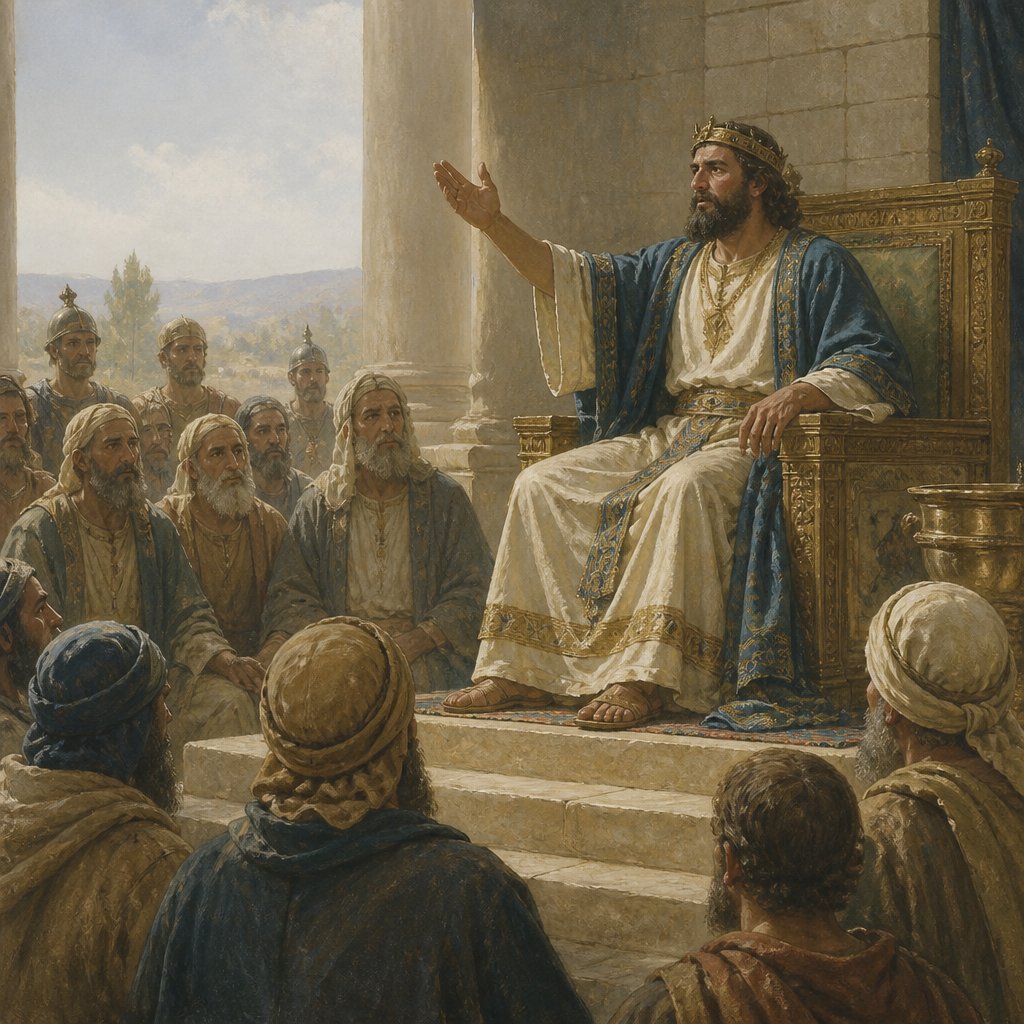
In the Book of Acts, the narrative transitions dramatically from the bold acts of the apostles to the tumultuous reign of King Herod. Acts 12:21 notes, "And upon a set day Herod, arrayed in royal apparel, sat upon his throne, and made an oration unto them." This verse captures a moment steeped in grandeur and gravity, yet it serves as a stark reminder of the transience of human power and the ultimate sovereignty of God.
Herod, adorned in splendid robes, is not merely a figure of authority; he represents the epitome of worldly influence. His throne, a symbol of power, was surrounded by those eager to receive his words, which they anticipated would bring great significance and validation. Here, we see the allure of earthly splendor — the king basking in the glory of his station while the hearts of the people look up to him in admiration. But what lies behind this apparent strength?
First, it is essential to understand the context of Herod’s rise. He was not merely a ruler but one whose reign was characterized by political cunning and a deep-seated antagonism toward the burgeoning Christian faith. Acts 12 opens with Herod persecuting the church, leading to the arrest and execution of James, the brother of John, and the subsequent imprisonment of Peter. His oppressive tactics were motivated by a desire for popularity among the Jewish leaders, as well as a craving for control. In this light, his oration becomes more than just a rhetorical display; it is a performance aimed at solidifying his power and public appeal, leading people away from Christ and towards himself.
Yet, as we reflect on this moment, we come to see that Herod’s display of authority is built on a shaky foundation. Scripture reminds us that while Herod might be enveloped in royal splendor and seated on an earthly throne, true authority and sovereignty lie with God alone. Psalm 29:10 states, "The Lord sitteth upon the flood; yea, the Lord sitteth King forever." It serves as a stark contrast to the temporary power of the rulers of this world. Despite Herod's outward appearance of strength, he is but a pawn in the unfolding of God's divine plan.
Herod's oration should invoke in us serious contemplation about the fleeting nature of power and recognition. When we look to worldly leaders, it can be easy to elevate them, to forget that their time of influence is limited, and their ultimate end is either destruction or redemption. We must train our eyes not on the royal robes of those who grasp for power, but rather, on the eternal King who reigns forever. Herod’s fate serves as a cautionary tale, illustrating that the pursuit of glory at the expense of humility can lead to downfall. In his exposition, when the people proclaimed him as a god rather than a man, his failure to deflect this honor ultimately led to divine judgement.
As we meditate on Acts 12:21, let's challenge ourselves to consider how we respond to the presence of power in our lives. Are we drawn to the glittering allure of influence, or do we seek the quiet strength that comes from humility and surrender to God’s will? Are we willing to place our hope not in temporary rulers but in the unchanging nature of God, whose kingdom is not of this world?
In conclusion, the scene of Herod sitting enthroned in his royal apparel is an invitation for us to reassess our values and fears. True nobility lies in submission to the Divine King, who cares for His people with an everlasting love. As we witness the rise and fall of earthly powers, let us firmly anchor our trust in the eternal reign of Christ, remembering that ultimate authority and glory belong to Him alone.
Get our apps


Artwork for Acts 12:21
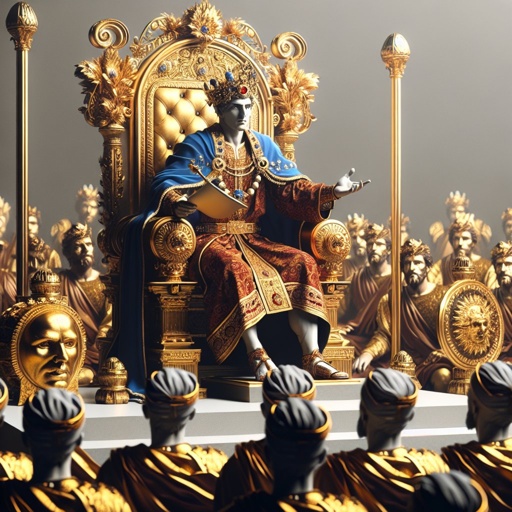
Acts 12:21 - "And upon a set day Herod, arrayed in royal apparel, sat upon his throne, and made an oration unto them."
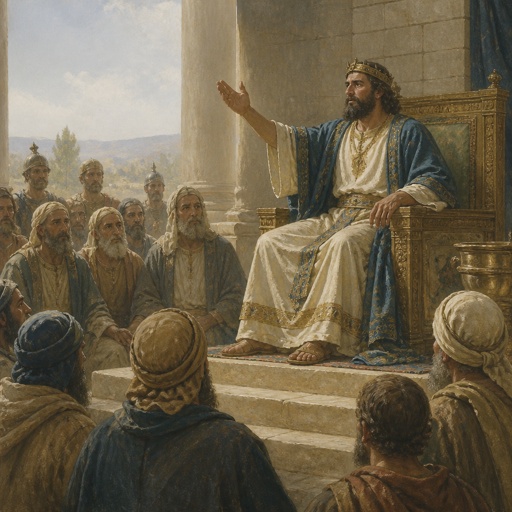
"And upon a set day Herod, arrayed in royal apparel, sat upon his throne, and made an oration unto them." - Acts 12:21

Acts 21:12 - "And when we heard these things, both we, and they of that place, besought him not to go up to Jerusalem."

Matthew 2:1-2

Genesis 2:1-2

Genesis 2:1-2
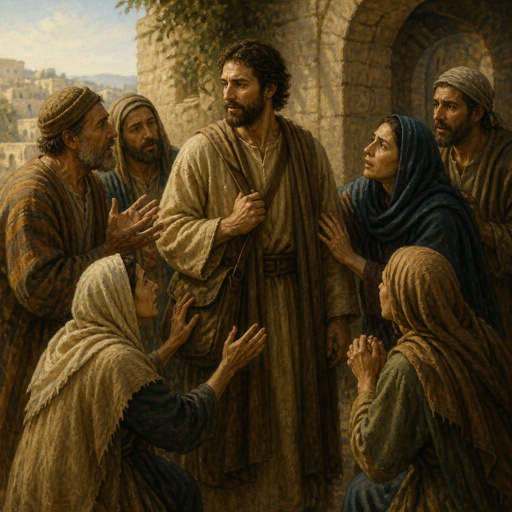
"And when we heard these things, both we, and they of that place, besought him not to go up to Jerusalem." - Acts 21:12

Acts 1:21-23

Acts 1:21-22

Acts 21:5-6

Acts 1:21-22

Acts 28:12

Acts 18:12

Acts 18:12

Acts 21:36 - "For the multitude of the people followed after, crying, Away with him."

Acts 4:8-12

acts 20:7-12

Acts 12:24 - "¶ But the word of God grew and multiplied."

Acts 21:21 - "And they are informed of thee, that thou teachest all the Jews which are among the Gentiles to forsake Moses, saying that they ought not to circumcise their children, neither to walk after the customs."
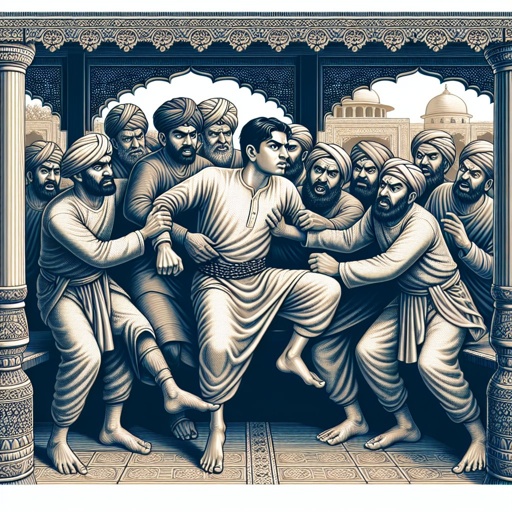
Acts 26:21 - "For these causes the Jews caught me in the temple, and went about to kill me."

Acts 21:17 - "And when we were come to Jerusalem, the brethren received us gladly."

Acts 11:21 - "And the hand of the Lord was with them: and a great number believed, and turned unto the Lord."

Acts 21:14 - "And when he would not be persuaded, we ceased, saying, The will of the Lord be done."

Acts 21:9 - "And the same man had four daughters, virgins, which did prophesy."

Proverbs 2:1-2 - "My son, if you accept my words and store up my commands within you, turning your ear to wisdom and applying your heart to understanding."

Revelation 21:12

Genesis 21-12

Acts 16:21 - "And teach customs, which are not lawful for us to receive, neither to observe, being Romans."

Acts 2:21 - "And it shall come to pass, that whosoever shall call on the name of the Lord shall be saved."

Acts 12:2 - "And he killed James the brother of John with the sword."