The Bond of Grace: Embracing the Imperfect
“And Barnabas determined to take with them John, whose surname was Mark.” — Acts 15:37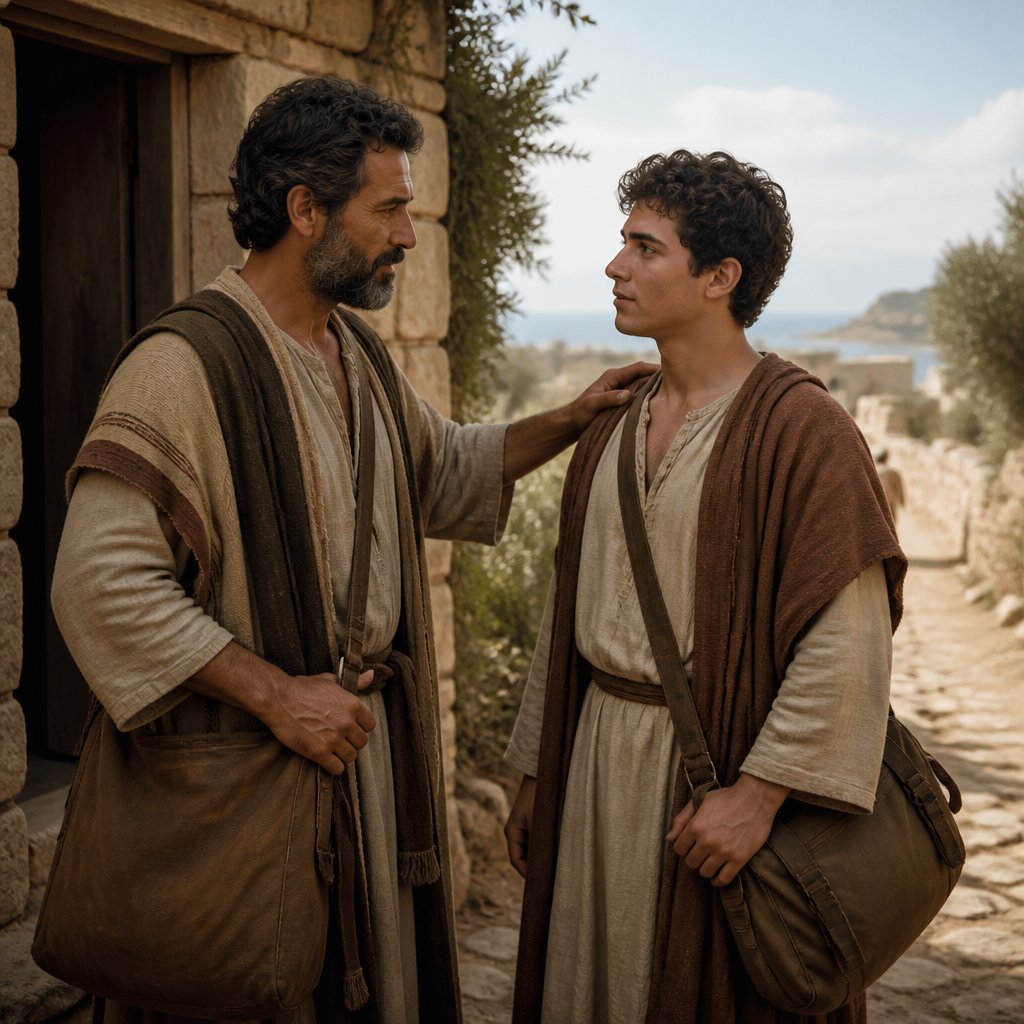
In Acts 15:37, the scripture tells us, "And Barnabas determined to take with them John, whose surname was Mark." At first glance, this verse may seem simple, focusing on a logistical decision made by two apostolic figures. However, within it lies profound implications about grace, forgiveness, and the nature of companionship in the journey of faith.
To fully appreciate this moment, we must delve into the narrative surrounding Barnabas, Paul, and John Mark. Earlier in Acts, we find that John Mark had joined Paul and Barnabas on their missionary journey, only to turn back and leave them in the midst of their work (Acts 13:13). This departure led to significant tensions between Paul and Barnabas at the outset of Acts 15. When the council meeting was convened in Jerusalem to discuss the inclusion of the Gentiles and the observance of the law, it was Barnabas who advocated for John Mark. Yet, Barnabas’s earlier decision to bring John Mark along had apparently not ended well. Paul, recognizing the seriousness of their mission, was understandably hesitant to take someone he perceived as unreliable along once more.
From this account, we witness Barnabas as the archetype of encouragement—his very name signifies "son of encouragement" (Acts 4:36). In the face of Paul's objections, Barnabas remained resolute. He chose to see beyond Mark’s previous failure and embraced the transformative power of grace. It compels us to examine our response to those who may falter or disappoint us in our lives. Do we, like Barnabas, offer a second chance?
This brings us to the heart of our transformative relationship with grace itself. In our walk with Christ, we frequently stumble; we might abandon our posts, fail to live up to expectations, or turn back when challenges arise. Yet, God, who is rich in mercy, continually welcomes us back, not counting our failures against us. Barnabas mirrors this divine attitude as he seeks to restore John Mark, who is viewed by many contemporaries as a troubled soul.
Moreover, we find here not just a lesson in grace, but also a powerful demonstration of how significant relationships in our spiritual journeys can be. Barnabas’s decision illustrates the necessity of maintaining connections, especially with those who may require nurturing. While Paul demonstrated a commitment to high standards, Barnabas represented the loving, patient spirit of restoration, emphasizing that every individual has value and potential despite their past mistakes.
Within the church today, how often do we mirror Paul's attitude, opting to disregard those who stumble along their faith journey, instead of embracing the Barnabas spirit? We consider the importance of discipleship and mentorship; just as Barnabas took the initiative to journey alongside a struggling young man, so too must we seek to pour into the lives of those around us with compassion and understanding, committed not only to their growth but also to their healing.
The irony in the narrative is that Barnabas eventually ends up parting ways with Paul, yet he does not turn away from his commitment to nurture. His choice to champion John Mark impacted the young man’s growth, leading him ultimately to a place of favor in ministry, with scholars suggesting that it was through Barnabas' support that Mark matured into a significant figure in the early church, even becoming the author of the Gospel that bears his name.
This notion of grace reflected in Acts 15:37 should resonate deeply with all of us. As we grapple with the imperfections in those around us, let us endeavor to embody the spirit of Barnabas. May we learn to extend grace, cultivate relationships with those who have stumbled and remind ourselves and others that the journey does not end with a single failure. God’s love is bigger than our shortcomings, and within His community, everyone deserves a chance to rise again.
Get our apps


Artwork for Acts 15:37

Acts 15:37 - "And Barnabas determined to take with them John, whose surname was Mark."

"And Barnabas determined to take with them John, whose surname was Mark." - Acts 15:37

Acts 13:37 - "But he, whom God raised again, saw no corruption."

Acts 20:37 - "And they all wept sore, and fell on Paul's neck, and kissed him,"

Acts 4:37 - "Having land, sold it, and brought the money, and laid it at the apostles' feet."

Acts 27:37 - "And we were in all in the ship two hundred threescore and sixteen souls."

Joshua 15:37 - "Zenan, and Hadashah, and Migdal-gad,"

Isaiah 37:15 - "And Hezekiah prayed unto the LORD, saying,"

Numbers 15:37 - "¶ And the LORD spake unto Moses, saying,"

Acts 15:15 - "And to this agree the words of the prophets; as it is written,"

Ezekiel 37:15 - "¶ The word of the LORD came again unto me, saying,"

Mark 15:37 - "And Jesus cried with a loud voice, and gave up the ghost."

acts 15

Psalms 37:15 - "Their sword shall enter into their own heart, and their bows shall be broken."

Acts 19:37 - "For ye have brought hither these men, which are neither robbers of churches, nor yet blasphemers of your goddess."

Acts 9:37 - "And it came to pass in those days, that she was sick, and died: whom when they had washed, they laid her in an upper chamber."

"Zenan, and Hadashah, and Migdal-gad," - Joshua 15:37

Acts 17:15

2 Samuel 15:37 - "So Hushai David's friend came into the city, and Absalom came into Jerusalem."

Exodus 37:15 - "And he made the staves of shittim wood, and overlaid them with gold, to bear the table."

"But he, whom God raised again, saw no corruption." - Acts 13:37

Acts 2:37 - "¶ Now when they heard this, they were pricked in their heart, and said unto Peter and to the rest of the apostles, Men and brethren, what shall we do?"

"And to this agree the words of the prophets; as it is written," - Acts 15:15

"¶ And the LORD spake unto Moses, saying," - Numbers 15:37

Job 37:15 - "Dost thou know when God disposed them, and caused the light of his cloud to shine?"

"And Hezekiah prayed unto the LORD, saying," - Isaiah 37:15

Acts 8:37 - "And Philip said, If thou believest with all thine heart, thou mayest. And he answered and said, I believe that Jesus Christ is the Son of God."

Acts 10:37 - "That word, I say, ye know, which was published throughout all Judaea, and began from Galilee, after the baptism which John preached;"

"And they all wept sore, and fell on Paul's neck, and kissed him," - Acts 20:37

"Having land, sold it, and brought the money, and laid it at the apostles' feet." - Acts 4:37